

Health experts seek greater awareness, treatment access for epilepsy
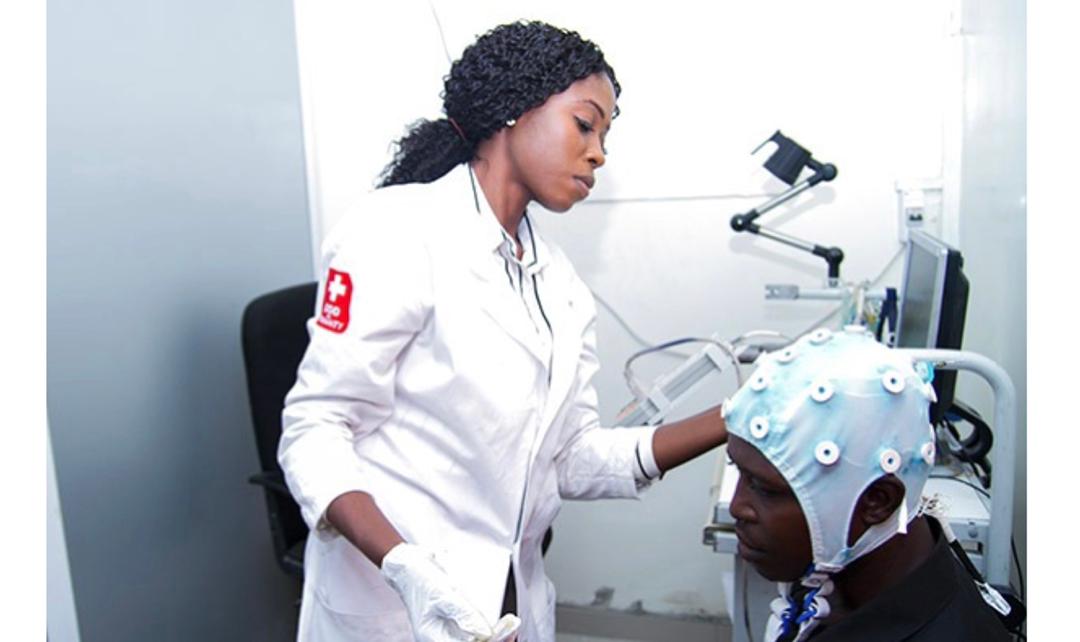
Health experts have called for increased public awareness and improved access to treatment for epilepsy, saying misconceptions surrounding the condition continue to affect millions of people worldwide.
They warned that the challenge was particularly pronounced in low- and middle-income countries, where limited access to healthcare and persistent stigma often hindered timely diagnosis and treatment.
The experts made the call on Monday, emphasising the need to address stigma, improve diagnosis and expand access to anti-seizure medications.
Lakadir Adebayo, a medical expert at the State House Government Hospital, Ilorin, described epilepsy as a chronic neurological disorder characterised by recurrent seizures caused by abnormal electrical activity in the brain.
According to him, the condition can affect people of all ages but is more common among young children and older adults.
“Many people living with epilepsy can become seizure-free if properly diagnosed and treated.
“Yet nearly three-quarters of people with epilepsy in low-income countries do not receive the treatment they need,” Mr Adebayo said.
He emphasised the importance of early diagnosis and access to appropriate medication in reducing the burden of the disease and improving patients’ quality of life.
Also speaking, Kenneth Eze, a neurologist at the General Hospital, Suleja, said misconceptions about epilepsy remained widespread across many African communities.
According to him, the condition is often wrongly attributed to witchcraft, spiritual attacks or curses, leading some families to seek traditional remedies instead of medical treatment.
“Epilepsy is a medical condition, not a spiritual problem. Early diagnosis, adherence to medication and community support can dramatically improve outcomes,” Mr Eze said.
He said that many people living with epilepsy faced social and economic challenges, including discrimination, loss of educational opportunities and reduced employment prospects.
“Many patients miss work to attend medical appointments, pay for long-term medications and live with constant concerns about injuries during seizures.
“Some children also face discrimination in schools because teachers and classmates do not understand the condition,” he added.
Sharing her experience, Saratu Sani, a parent of a child living with epilepsy, described the emotional toll of caring for a child with the condition.
“When my son had his first seizure at age six, I thought he was dying. The hardest part was not just the seizures but explaining to relatives that he was neither possessed nor cursed.
“For many patients, the social consequences of epilepsy can be as challenging as the condition itself,” she said.
Ibrahim Sani, a young adult living with epilepsy, recounted how stigma affected his life after he suffered a seizure in public.
“People moved away from me because they believed epilepsy was contagious. I lost friends, stopped attending school and became afraid to leave home,” he said.
According to the World Health Organisation (WHO), people living with epilepsy face a risk of premature death that is up to three times higher than that of the general population, particularly where treatment is unavailable or inaccessible.
The organisation said that falls, burns, drowning, and prolonged seizures account for many preventable deaths associated with the condition.
The WHO also identified stigma and discrimination as major barriers to improving the quality of life of people living with epilepsy, affecting education, employment, social relationships and overall well-being.
Medical professionals, therefore, called for stronger public awareness campaigns, wider access to anti-seizure medications and greater support for affected individuals and families.
They emphasised that while expanding treatment remained critical, tackling stigma and misinformation was equally important in improving outcomes for people living with epilepsy.
As governments and health organisations intensify efforts to close treatment gaps, advocates maintain that understanding, acceptance and support remain essential to helping millions of patients and their families lead healthier and more fulfilling lives.
(NAN)

We have recently deactivated our website's comment provider in favour of other channels of distribution and commentary. We encourage you to join the conversation on our stories via our Facebook, Twitter and other social media pages.

More from Peoples Gazette

States
Independence: NBA urges Nigerians to expect better future
The NBA said that ordinary Nigerians should be deriving benefit from the subsidy removal rather than hardship.

Agriculture
FG tasks ECOWAS on leveraging financing strategies for agroecology
The federal government has urged stakeholders in the agriculture and finance sectors in the West Africa region to leverage financing strategies to enhance agroecology practices

Politics
Katsina youths pledge to deliver over 2 million votes to Atiku
“Katsina State is Atiku’s political base because it is his second home.”

States
Kogi governor pardons convicted rapists, murderers as residents fear 2027 election violence
Mr Ododo announced pardons and other forms of executive clemency to 101 inmates and convicts across the state.

NationWide
Moove exits Nigeria one month after Uber, plans transfer of vehicles to employees
The fintech company operated a drive-to-own policy for vehicles allowing customers to become full owners after payment was completed.

States
Group urges FG, stakeholders to end child marriage
Mrs Adeniyi-Fashola identified awareness as key tool towards curbing child marriage.

States
2027: INEC urges security agencies to protect electoral officers, materials
The REC, therefore, reassured stakeholders that the upcoming election results would be determined solely by the votes of the masses.

States
NSCDC nabs suspected cable vandals in Ilorin
The NSCDC said efforts were ongoing to apprehend other persons suspected to be involved in the activities.

NationWide
Flutterwave CEO joins OpenAI, NVIDIA, Microsoft, AMD-led advisory board in Silicon Valley
Mr Agboola’s appointment reflects his growing role in international discussions around technology, economic policy, and governance.


