

Lipuo Mokhesi: Protecting girls, women from genital mutilation
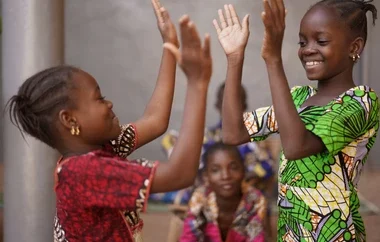
Millions of girls from Africa, the Middle East, and Asia are at risk of female genital mutilation (FGM). FGM, the partial or total removal of the female external genitalia or other injury to the female genital organs without medical reasons, is a harmful practice that continues to violate the rights, health, and freedom of African women and girls. The World Health Organisation estimated that about 4.5 million girls are at risk by 2026, while over 230 million women and girls are already living with its lifelong consequences.
Despite growing global commitments to end FGM, the practice persists due to weak enforcement of laws, community pressure, and limited awareness of its harms. Addressing this challenge requires stronger community accountability and practical prevention strategies. Strengthening community-based reporting networks, integrating FGM screening into maternal and child health services, and empowering youth-led advocacy can help protect the rights of the girl-child.
FGM endangers the health, confidence, and futures of millions of girls. The practice often comes with severe pain, infections, childbirth complications, and psychological trauma that affects women throughout their lives. Beyond its health effects, FGM reinforces gender inequality by denying girls control over their own bodies and limiting their ability to make decisions about their lives.
When communities tolerate FGM, they normalise gender-based violence against women and girls and silence those who resist it. If the practice continues, millions of women and girls will continue to suffer preventable harm, deepening gender injustice and undermining efforts to build free, healthy, and equal societies. FGM often happens in secrecy due to the absence of reporting systems, leaving survivors with little recourse.
Without safe channels to report violations, girls remain vulnerable, and authorities cannot enforce existing laws. Therefore, creating reporting mechanisms and connecting survivors and families with legal guidance can limit the incidence of this practice. To implement this solution, civil society and local justice systems should train community paralegals to document and report cases, thereby reinforcing protective norms and supporting survivors. This will teach communities about legal consequences and the benefits of abandoning FGM and will empower survivors, increase accountability, and reduce FGM sustainably.
Additionally, integrating FGM screening into maternal and child health services allows early identification of girls at risk. Health workers serve as the first point of contact for families, giving the professionals a unique opportunity to detect and respond to FGM. If risk assessment and survivor support are embedded into antenatal, postnatal, and child health visits, health workers can intervene before harm occurs and provide guidance to families about the health and legal consequences of FGM.
This solution strengthens early risks, improves survivor care, and transforms health facilities into prevention hubs, reducing FGM sustainably while empowering communities to protect girls and women. Evidence from Somalia demonstrates the impact of this approach. Health workers trained in FGM risk identification and person-centred communication successfully changed attitudes among expectant mothers, reducing intentions to have their daughters undergo FGM.
Supporting youth-led advocacy and community dialogue empowers adolescent girls to challenge FGM within their own communities. Girls often face pressure to conform to harmful practices, and external campaigns alone cannot change entrenched norms. By equipping youth with advocacy tools, they gain the confidence to speak out safely, engage peers, and influence parents and community leaders.
To implement this solution, civil society organisations should train youth on communication, legal rights, and leadership skills, provide mentorship opportunities, and support platforms where girls can safely share experiences and mobilise their peers. Partnerships with schools, health workers, and local leaders can amplify the civil society’s reach and impact. This approach transforms prevention into a locally owned effort, strengthens community dialogues, and builds a generation of informed girls who can advocate for their rights, reducing FGM sustainably while fostering gender equality.
Programs in countries such as Kenya have shown that when youth actively participate in awareness campaigns and community dialogues, they can shift social attitudes. Trained adolescent girls have led workshops, created peer-to-peer education programs, and used social media to highlight the dangers of FGM, helping reduce support for the practice and encouraging families to abandon it.
When girls and young women cannot exercise their rights, inequality widens, harmful practices persist, and individuals’ rights and freedom are neglected. This challenge affects families, schools, and communities across Africa. By fostering community cooperation and embracing shared values, interventions like reporting networks, health-centred prevention, and youth-led advocacy can protect girls and empower young people. Such approaches promote accountability, shift harmful social norms, and strengthen access to sexual and reproductive health. In this way, communities can build safer, more equitable societies where violence declines, the well-being and potential of all girls and women are realised.
Lipuo Mokhesi is a writing fellow at African Liberty.

We have recently deactivated our website's comment provider in favour of other channels of distribution and commentary. We encourage you to join the conversation on our stories via our Facebook, Twitter and other social media pages.

More from Peoples Gazette

States
Independence: NBA urges Nigerians to expect better future
The NBA said that ordinary Nigerians should be deriving benefit from the subsidy removal rather than hardship.

Agriculture
FG tasks ECOWAS on leveraging financing strategies for agroecology
The federal government has urged stakeholders in the agriculture and finance sectors in the West Africa region to leverage financing strategies to enhance agroecology practices

Politics
Katsina youths pledge to deliver over 2 million votes to Atiku
“Katsina State is Atiku’s political base because it is his second home.”
Education
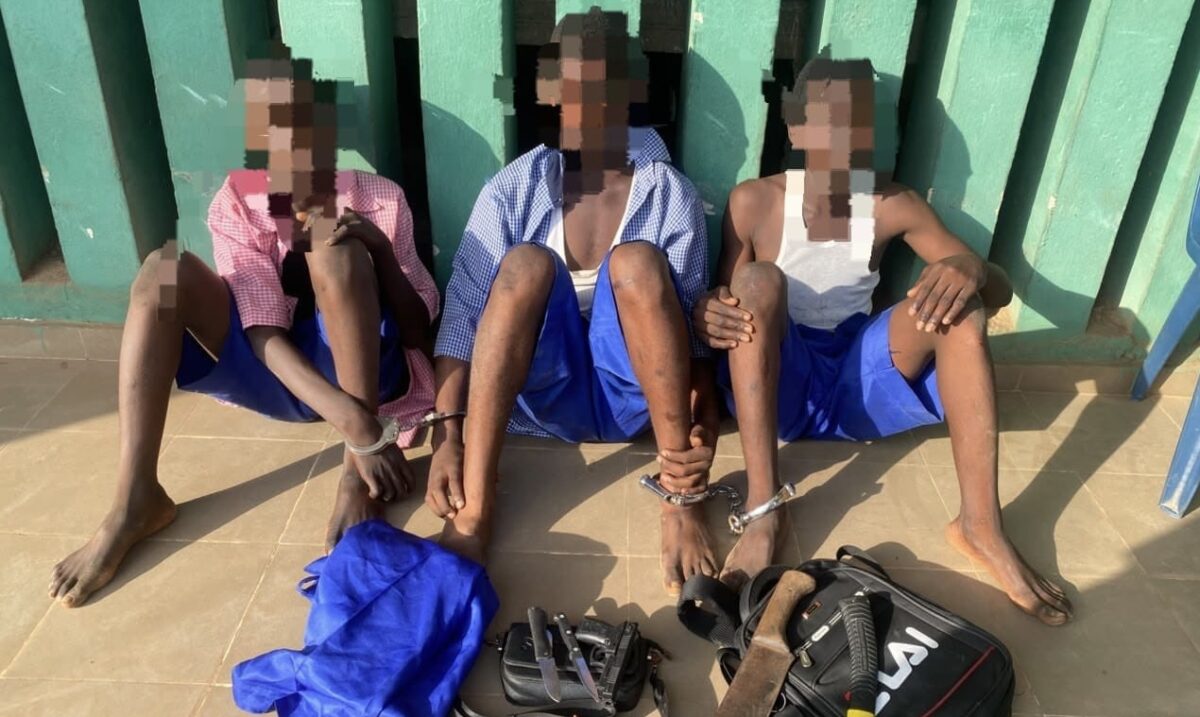
Three secondary school students arrested during cult initiation in Ogun
The command spokesperson, Oluseyi Babaseyi, told journalists on Friday that one suspect is 12 years old, while the other two are 18.
States
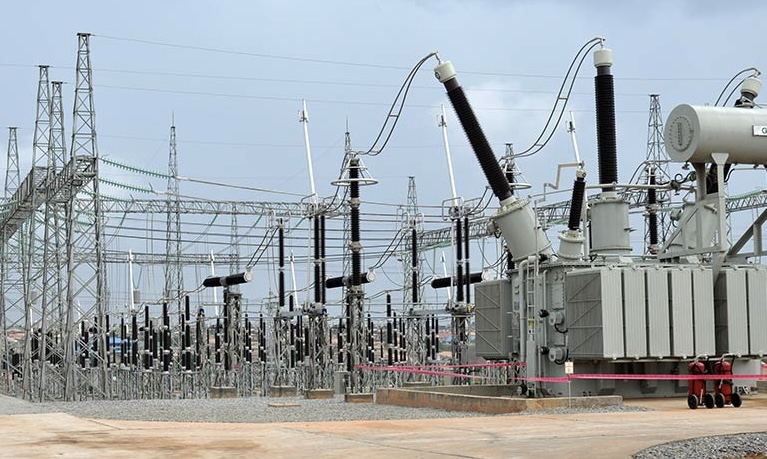
FG begins construction of 120MVA transmission substation in Katsina
Mr Olasunkanmi commended President Bola Tinubu for supporting investments in the power sector.
NationWide
Japan’s JICA provides $10.4 million grant for Nigeria’s innovation hub
The Japanese ambassador to Nigeria said Japan’s support for Nigeria’s startup ecosystem focused on strengthening institutions.

Port Harcourt
2027: Rainbow Coalition promoting unity, stability in FCT, Wike says
Mr Wike cautioned voters against political gamblers and online rhetoric, urging residents to focus on tangible achievements.
Economy
Woman killed in stampede as Gov Otu’s wife shares empowerment items
Police said the incident occurred at about 3:30 p.m. during the programme attended by the governor’s wife, Eyoanwan Otu, and her entourage.

Economy
15 ships carrying imported fuel, food, containers expected at Lagos ports: NPA
Fifteen ships carrying petroleum products, food items and other goods are expected at the Apapa and Tin Can Island ports in Lagos between Friday and Wednesday.


