

Dog vaccination most effective protection against rabies, veterinarian says
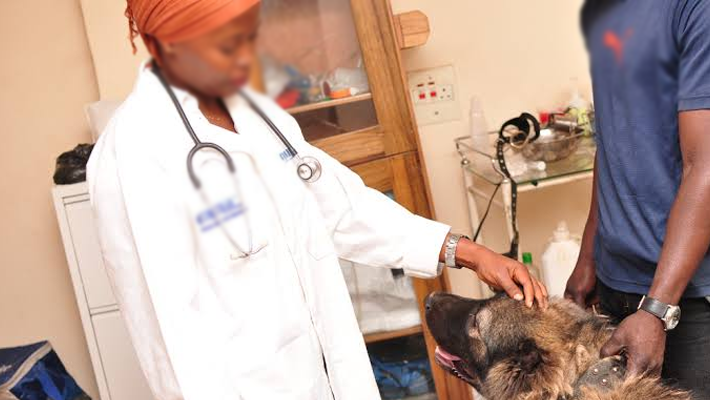
A veterinarian, Mutiu Oladele-Bukola, has said that dog vaccination remains the single most effective way to control rabies in Oyo State.
Mr Oladele-Bukola, from the Institute of Agricultural Research and Training (IAR&T), Obafemi Awolowo University (OAU), Moor Plantation, Ibadan, said this while speaking on Monday to commemorate World Zoonoses Day, observed annually on July 6.
According to him, zoonoses are diseases transmitted from animals to humans and vice versa, adding that rabies (in dogs and cats) remains the most important zoonotic disease associated with pets in Oyo State.
He explained that most human exposures occurred through dog bites, but vaccination coverage among dogs is below the level required for disease elimination in many communities.
“More than 95 per cent of human rabies cases originate from bites by infected dogs, so vaccinating dogs interrupts transmission at its source,” Mr Oladele-Bukola stated.
He noted that the Oyo State Ministry of Agriculture and Rural Development had strengthened rabies control through annual vaccination, regulatory enforcement, and public awareness campaigns across local governments.
He added that the World Organisation for Animal Health and the World Health Organisation (WHO) recommend vaccinating at least 70 per cent of dogs to interrupt transmission.
The veterinarian said earlier studies in Oyo found dog vaccination coverage ranging from 33 per cent to 57 per cent, which falls below the recommended target.
He explained that while these levels of vaccination help reduce the risk of rabies transmission, they are generally insufficient to eliminate the disease.
He added that many dogs also lacked adequate protective antibody levels, showing the need for quality-assured vaccines, proper cold chain, and annual revaccination.
On the impact, he explained that vaccination coverage below 50 per cent reduces the number of cases but is insufficient to stop the continued circulation of rabies.
“Fifty to 69 per cent significantly lowers transmission, but outbreaks can still occur, while 70 per cent can interrupt dog-to-dog transmission and greatly reduce human cases if sustained annually,” he said.
Beyond rabies, Mr Oladele-Bukola listed other major zoonoses in Oyo state to include Avian influenza in poultry, Brucellosis in cattle, sheep, and goats, and Bovine tuberculosis in cattle.
He said farmers, abattoir workers and veterinarians faced a higher occupational risk of infection through contact with infected animal tissues or the consumption of unpasteurised milk.
“Bovine tuberculosis is frequently detected during meat inspection in Nigerian abattoirs and poses a risk for butchers and consumers of poorly cooked meat.
“Leptospirosis is found in cattle, pigs, dogs and rodents, with human infection occurring through contact with urine-contaminated water.
“Salmonellosis and pathogenic E. coli are common in poultry and livestock; they cause foodborne illness through contaminated eggs and meat and poor hygiene, and are important because of increasing antimicrobial resistance,” Mr Oladele-Bukola said.
Speaking on bushmeat, he said handling wildlife remains an important route for the emergence of zoonotic diseases in West Africa, including Nigeria.
He added that the highest-risk activities include hunting and butchering wild animals, handling sick or dead wildlife, and consuming raw or undercooked bushmeat.
According to him, diseases linked to bushmeat include Rabies, Lassa fever, Monkeypox, Anthrax, Brucellosis, Leptospirosis, and, rarely, Ebola from bats or primates.
“In Oyo, the greatest routine risks come from rodents, bats, and bushmeat sold in local markets if handled without hygiene,” he said.
To reduce risk, Mr Oladele-Bukola advised avoiding sick wildlife, wearing gloves when butchering, washing hands after handling raw meat, and cooking bushmeat thoroughly.
He also urged people to keep dogs vaccinated to reduce spillover from wildlife and to report unusual wildlife deaths to authorities.
During outbreaks of anthrax, Lassa, avian influenza, or rabies, Mr Oladele-Bukola said farmers should report suspected cases immediately for rapid investigation.
He advised isolating sick animals, not moving them to markets, and not slaughtering or consuming sick animals.
“Do not open carcasses of animals that die suddenly, especially if anthrax is suspected; opening exposes spores that can contaminate the environment for decades,” he warned.
He emphasised that carcasses should be disposed of safely under veterinary supervision through deep burial or incineration.
He further recommended using PPE, strict farm biosecurity, good hand hygiene, vaccination where available, and avoiding unpasteurised milk during outbreaks.
Mr Oladele-Bukola stressed the need for daily animal monitoring, keeping records, educating workers, judicious antibiotic use, rodent control, and surveillance for resistant bacteria.
“The day reminds us that many human infectious diseases originate from animals; about 60 per cent of known human diseases and 75 per cent of emerging ones come from animals.
“Healthy animals mean healthy people. Preventing diseases in animals is one of the most effective ways to protect human health,” he said.
He urged animal owners to vaccinate pets and livestock, maintain clean housing, avoid contact with sick animals, and seek veterinary or medical attention promptly.
“Preventing zoonotic diseases is a shared responsibility. Through one health, vaccination, biosecurity, and awareness, we can build healthier, safer communities,” Mr Oladele-Bukola said.
(NAN)

We have recently deactivated our website's comment provider in favour of other channels of distribution and commentary. We encourage you to join the conversation on our stories via our Facebook, Twitter and other social media pages.

More from Peoples Gazette

States
Independence: NBA urges Nigerians to expect better future
The NBA said that ordinary Nigerians should be deriving benefit from the subsidy removal rather than hardship.

Agriculture
FG tasks ECOWAS on leveraging financing strategies for agroecology
The federal government has urged stakeholders in the agriculture and finance sectors in the West Africa region to leverage financing strategies to enhance agroecology practices

Politics
Katsina youths pledge to deliver over 2 million votes to Atiku
“Katsina State is Atiku’s political base because it is his second home.”

Abuja
Dan Orbih made me better governor, says Oshiomhole as Wike hails late PDP stalwart
FCT minister Nyesom Wike said God used the late Daniel Orbih to pave the way for his emergence as Rivers governor in 2015.

World
London phone thefts fall to lowest August level since 2022 despite 165 daily snatches in 2026
After a year‑long investigation, detectives found the men were responsible for trafficking up to 40,000 stolen mobile phones from the UK to China in 2024 and 2025.
Agriculture
Takum farmers seek improved security to boost food production
The land that fed families for generations is now empty. In villages like Tor-Lijam, Akaajo, Abunde and Akase, people are displaced and their farms are destroyed.

Africa
UN unveils $78 million lifeline for Africa’s Great Green Wall
The new investment comes as desertification, drought and climate change increasingly threaten agricultural livelihoods across the region.

World
UN cash crisis must not hurt developing countries, says Nigeria
Nigeria has warned that the United Nations liquidity crisis must not disproportionately undermine human rights assistance to developing and conflict-affected countries.

Diaspora
ICE nabs Chimaobim Igbojekwe, campaign canvasser for Democrat Janelle Stelson, for illegal stay, public nudity
Mr Igbojekwe was caught in public with his pants off, fully exposing himself, in a residential neighbourhood near a park with residents, including children.


