

Oil, gas operators push technology adoption, skills development to boost growth
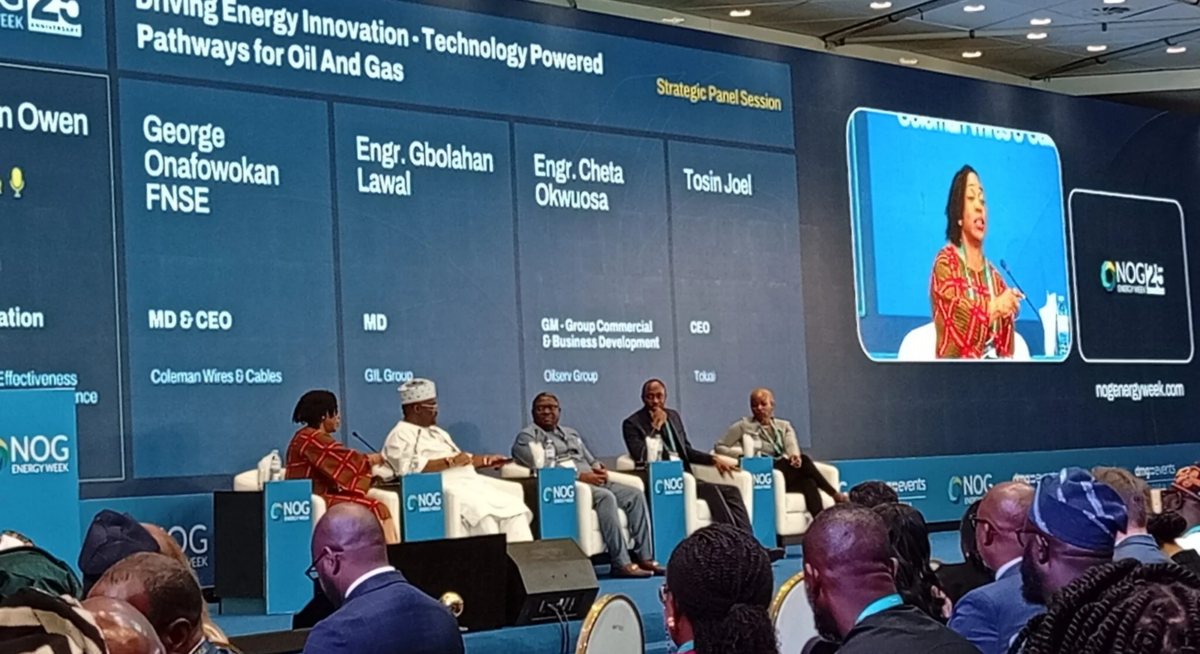
Stakeholders in Nigeria’s oil and gas industry have called for increased adoption of new technologies and sustained investment in human capacity development to improve operational efficiency and drive economic growth.
They made the call on Thursday at the Nigeria Oil and Gas Energy Week in Abuja.
Chairman of Oilserv Group, Emeka Okwuosa, said that technology adoption must improve speed, safety, and sustainability across engineering, procurement, and construction operations.
Mr Okwuosa restated the need to deliberately develop indigenous manpower capable of deploying and managing advanced technologies.
He said Oilserv had progressed from manual operations to semi-automatic and fully automated systems, recording significant efficiency gains on projects including the OB3 and Ajaokuta-Kaduna-Kano gas pipeline.
He said that the company had also deployed artificial intelligence-enabled leak detection, intrusion detection and remote monitoring systems to support gas commercialisation.
“In our operations, we started with manual, and then at some point we deployed the automatic system, which we started with the semi-automatic.
“The company later mastered it and deployed it in the OB3 project. With that, the company realised some gains, but not the optimum. In AKK, we used a combination of the two, the semi-automatic and the fully automatic systems.
“Now that we are veering into gas commercialisation, we have also deployed leak detection, intrusion detection, and other AI operational systems,” he said.
GIL Group’s managing director, Gbolahan Lawal, urged operators to embrace data-driven innovation by replacing outdated analogue processes with modern technologies.
Mr Lawal said continuous training and workforce empowerment were essential to improving profitability and competitiveness in the industry.
Atiemoria Ebhodaghe, the lead strategic consultant at Acepontis, said the adoption of advanced technologies among marine logistics operators remained uneven due to financial constraints.
He said international oil companies and leading vessel owners had embraced technologies such as dynamic positioning systems, remote vessel data exchange and automated fuel optimisation to improve safety and efficiency.
He said many indigenous marine operators were unable to invest in sensor-based technologies and satellite monitoring because of high costs.
“This has created a two-tier market where technologically advanced fleets secure long-term offshore contracts, while older vessels compete for short-term jobs with higher operating costs,” he said.
Mr Ebhodaghe said that AI-powered predictive maintenance was helping operators detect engine and equipment faults before breakdowns, thereby reducing vessel downtime and ensuring the timely delivery of offshore drilling and production projects.
(NAN)

We have recently deactivated our website's comment provider in favour of other channels of distribution and commentary. We encourage you to join the conversation on our stories via our Facebook, Twitter and other social media pages.

More from Peoples Gazette

States
Independence: NBA urges Nigerians to expect better future
The NBA said that ordinary Nigerians should be deriving benefit from the subsidy removal rather than hardship.

Agriculture
FG tasks ECOWAS on leveraging financing strategies for agroecology
The federal government has urged stakeholders in the agriculture and finance sectors in the West Africa region to leverage financing strategies to enhance agroecology practices

Politics
Katsina youths pledge to deliver over 2 million votes to Atiku
“Katsina State is Atiku’s political base because it is his second home.”

Agriculture
Nigeria finalises preparations to ratify global ocean protection treaty
Nigeria has finalised domestic arrangements to ratify a landmark international treaty designed to protect marine biodiversity beyond national jurisdiction.

Economy
Nigerian states’ revenues rose 93%, education spending drops: World Bank
The World Bank says Nigeria’s 36 states recorded a 93 per cent increase in revenues between 2023 and 2025, but education’s share of the sector’s expenditure declined.

Heading 2
Enugu secures $200 million solar investment to boost electricity supply
Mr Mbah pledged the state government’s support in removing institutional bottlenecks that could delay the project.
Heading 5
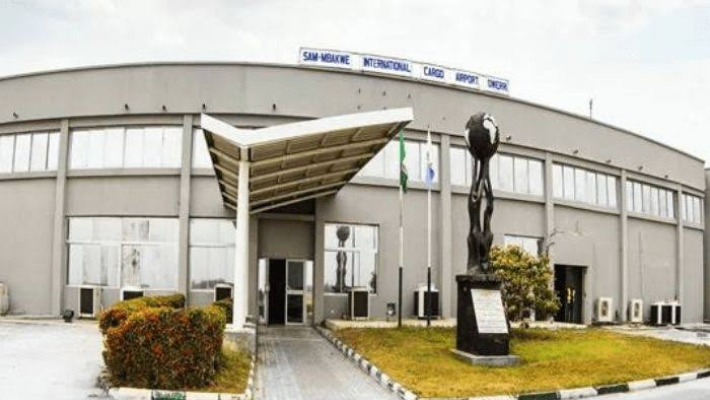
FAAN announces temporary closure of Owerri airport runway for repairs
According to Mr Agbebire, the closure was tentatively scheduled to last about 25 days.

States
Police nab three suspects over alleged murder of 65-year-old woman accused of witchcraft in Niger
The command’s spokesperson said the incident occurred on Saturday.

Health
Lassa Fever: Nigeria records 1,115 cases, 263 deaths in 24 states
The agency urged healthcare workers and the public to maintain appropriate preventive measures.


