

ICRC DG advocates PPPs to bridge West Africa’s infrastructure gap

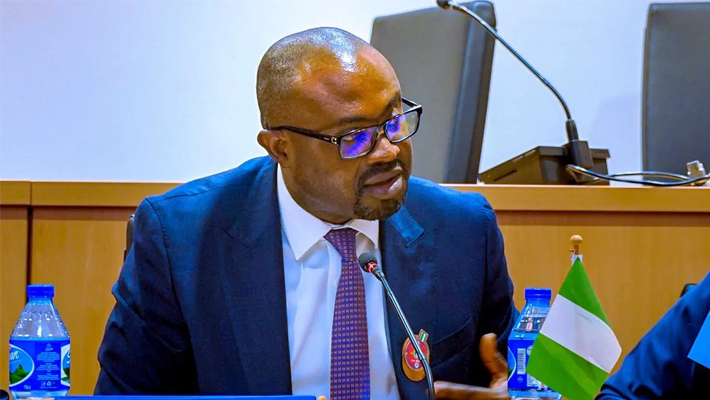
Jobson Ewalefoh, director-general of the Infrastructure Concession Regulatory Commission (ICRC), has urged West African countries to adopt public-private partnerships (PPPs) as a strategic mechanism to address the region’s infrastructure deficit.
Mr Ewalefoh made the call while speaking during a panel session at the ECOWAS Infrastructure Forum in Abidjan, Côte d’Ivoire, according to a statement on Sunday by Ifeanyi Nwoko, ICRC’s spokesperson.
He said governments across the region could no longer rely solely on public resources to provide critical infrastructure.
According to him, PPPs have become an essential alternative to traditional public procurement, enabling governments to collaborate with the private sector to finance, develop, operate and maintain infrastructure projects.
He said such partnerships also provide access to private sector innovation, technical expertise and efficient risk allocation.
“As infrastructure needs continue to outpace public resources, governments must create enabling environments that attract greater private sector participation through transparent regulatory frameworks and bankable projects,” he said.
Mr Ewalefoh said that beyond the conventional PPP procurement process initiated by governments, well-regulated unsolicited proposals from the private sector offered an additional avenue for expanding the pipeline of infrastructure projects.
He explained that unsolicited proposals allow private investors to identify viable infrastructure needs, develop projects at their own cost and assume the associated risks, thereby reducing the financial burden on governments.
The director-general, however, stressed that unsolicited proposals were designed to complement rather than replace the conventional procurement process.
“An unsolicited proposal is a complementary proposal. We simply do not have enough public resources to develop every project through the solicited route.
“What we have done is to pragmatically transfer that responsibility and the associated risks of project development to the private sector,” he said.
The ICRC boss said that although unsolicited projects originate from private investors, they undergo the same rigorous appraisal process as government-sponsored PPP projects.
He said Nigeria had strengthened its PPP framework through clear eligibility criteria, structured governance procedures, the Swiss Challenge procurement method, non-refundable application fees and performance bonds.
Mr Ewalefoh also called on development partners to increase investment in project preparation, noting that while many institutions.
“If everyone agrees that Africa lacks bankable projects, then we must ask why development partners are unwilling to invest in preparing those projects.
“That is precisely the gap unsolicited proposals help to fill,” he stated.
He stressed that West Africa’s growing infrastructure needs required innovative financing solutions tailored to the region’s development realities.
Mr Ewalefoh also advocated closer collaboration among ECOWAS member states through a regional network of national PPP institutions to strengthen technical capacity, promote knowledge sharing and harmonise best practices for project appraisal and implementation.
Mr Ewalefoh reaffirmed Nigeria’s commitment to strengthening the PPP ecosystem through transparent regulation, sound governance and innovative project development frameworks capable of attracting credible private investment into critical infrastructure across Nigeria and West Africa.
The panel also featured representatives from Ghana, Senegal and Côte d’Ivoire, who shared their countries’ experiences in leveraging PPPs to accelerate infrastructure development across the West African sub-region.
Participants at the session agreed that PPPs remained the most viable framework for mobilising private investment, bridging West Africa’s infrastructure gap and accelerating sustainable economic development across the region.
(NAN)

We have recently deactivated our website's comment provider in favour of other channels of distribution and commentary. We encourage you to join the conversation on our stories via our Facebook, Twitter and other social media pages.

More from Peoples Gazette

Agriculture
FG tasks ECOWAS on leveraging financing strategies for agroecology
The federal government has urged stakeholders in the agriculture and finance sectors in the West Africa region to leverage financing strategies to enhance agroecology practices

Politics
Katsina youths pledge to deliver over 2 million votes to Atiku
“Katsina State is Atiku’s political base because it is his second home.”

Diaspora
NIS undertakes passport intervention exercises for Nigerians in diaspora
Mr Akinlabi said that the exercises were conducted in commitment to improving passport service delivery.

Economy
Dangote Refinery IPO reflects our long-term commitment to Africa’s industrial, economic transformation: Aliko Dangote
Mr Dangote revealed that the Dangote Petroleum Refinery intends to seek a listing on the New York Stock Exchange.
States
Niger Miners’ Deaths: Independent committee set for inauguration Tuesday
Mr Tunji-Ojo described the deaths of the alleged illegal miners as deeply disturbing.

Economy
Afreximbank, ATDC sign $500 million facility to expand African trade, distribution
ATDC currently runs local operations in Egypt, Nigeria, Malawi and Zimbabwe.

States
UNICAL suspends nine students over exam misconduct
The suspension was conveyed to the affected students in letters signed by the registrar, Chukwuka Icha.
World
Global coalition targets AI access for 3.4 billion people
The foundation said the initiative was aimed at addressing a major gap in AI access.


