

Institute says Lagos flood denial worsening crisis, urges urgent action
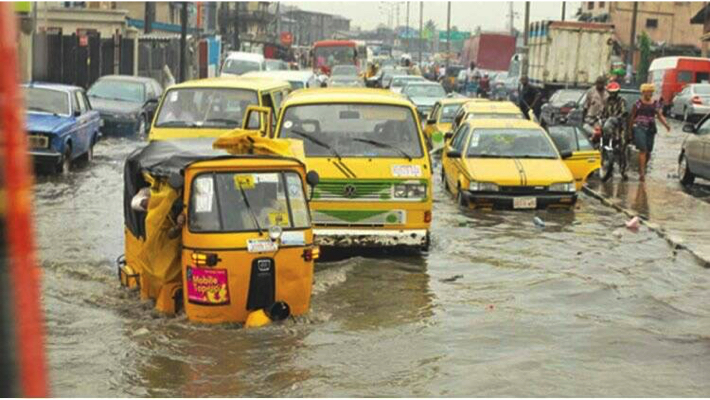
The Africa Green Economy and Sustainability Institute (AGESI) has cautioned against the continued denial of flood risks facing Lagos, calling on authorities to take urgent measures to address the growing crisis in Nigeria’s economic capital city.
Eugene Itua, AGESI’s executive director, made the call as floods hit several parts of Lagos.
The institute pointed out that the claim that flooding is a new phenomenon in Lagos negates the fact that it has recurred annually since 1968, with the exception of the 1973 Sahelian drought year.
“As floodwaters continue to threaten the lives, livelihoods, and safety of more than 20 million Lagos residents, a new, comprehensive educational exposition is pushing back against emerging narratives that label the city’s flood history as a ‘convenient lie’,” AGESI said in a statement on Wednesday. “A cornerstone of the exposition is the dismantling of the myth that Lagos flooding is a recent phenomenon.”
The statement also cautioned against claims that the recent flooding in Lagos was single-handedly caused by the newly constructed Lagos-Calabar Coastal Highway, reiterating that the flood crisis stems from decades of verifiable climate data.
The institute, however, listed climate change, ocean subsidence, infrastructural hubris, urbanisation, and improper waste disposal as the combination of factors that have contributed to increased flooding in the state.
It warned that constant flooding poses a significant economic threat to Nigeria, citing a World Bank report showing that exposure to floods, erosion, and pollution in Cross River, Delta, and Lagos states cost the country $9.4 billion in 2018 alone.
“According to World Bank data cited in the exposition, floods, erosion, and pollution in Cross River, Delta, and Lagos states cost society an estimated $9.7 billion in 2018 alone, equating to 2.4 per cent of Nigeria’s GDP.
“Furthermore, over 1.35 million people in Lagos are currently exposed to the 10-year flood hazard zone,” the AGESI statement explained.
AGESI appealed to decision-makers to take urgent action against flooding in Lagos, including data and early warning systems; infrastructure accountability; the establishment of financial safety nets; and the restoration of natural wetland buffers, which act as the city’s natural sponges.

We have recently deactivated our website's comment provider in favour of other channels of distribution and commentary. We encourage you to join the conversation on our stories via our Facebook, Twitter and other social media pages.

More from Peoples Gazette

Agriculture
FG tasks ECOWAS on leveraging financing strategies for agroecology
The federal government has urged stakeholders in the agriculture and finance sectors in the West Africa region to leverage financing strategies to enhance agroecology practices

Politics
Katsina youths pledge to deliver over 2 million votes to Atiku
“Katsina State is Atiku’s political base because it is his second home.”

Africa
Expert urges adoption of model law to save African shipping firms
Mr De Waegh also recommended a regional approach under AfCFTA and ECOWAS to harmonise the implementation of the model law.

Showbiz
Carter Efe’s loses TikTok account with 5.6 million followers over policy violations
The development has triggered reactions online.
Hot news Home top
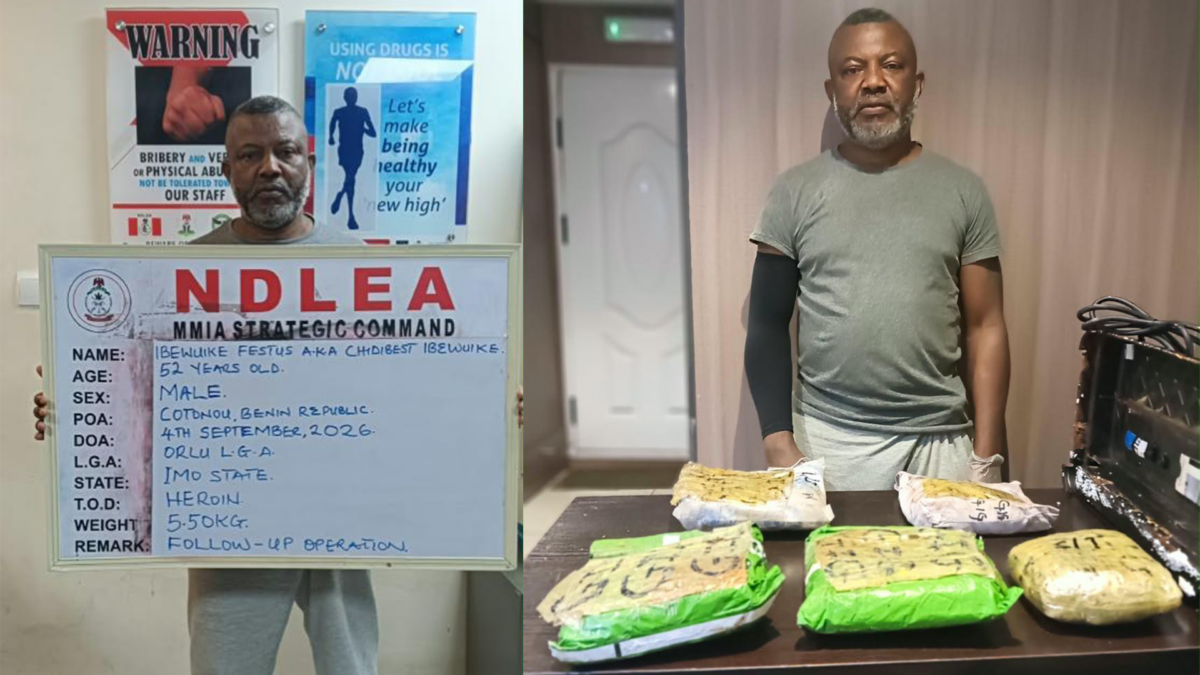
NDLEA nabs fugitive drug kingpin linked to 49.70kg heroin seizure
The NDLEA chairman described the arrest as a major breakthrough in the agency’s relentless pursuit of fleeing drug kingpins.

Heading 4
UK raises living expenses requirement for students from Nigerian, Ghana, Kenya, nine others effective November 30
For African students living outside London, living expenses increased from £1,171 to £1,203.

States
Kaduna’s Millennium City residents keep vigil to tackle insecurity
“We also have community warning alarms, which we activate whenever we notice anything suspicious,” Mr Usman said.
NationWide
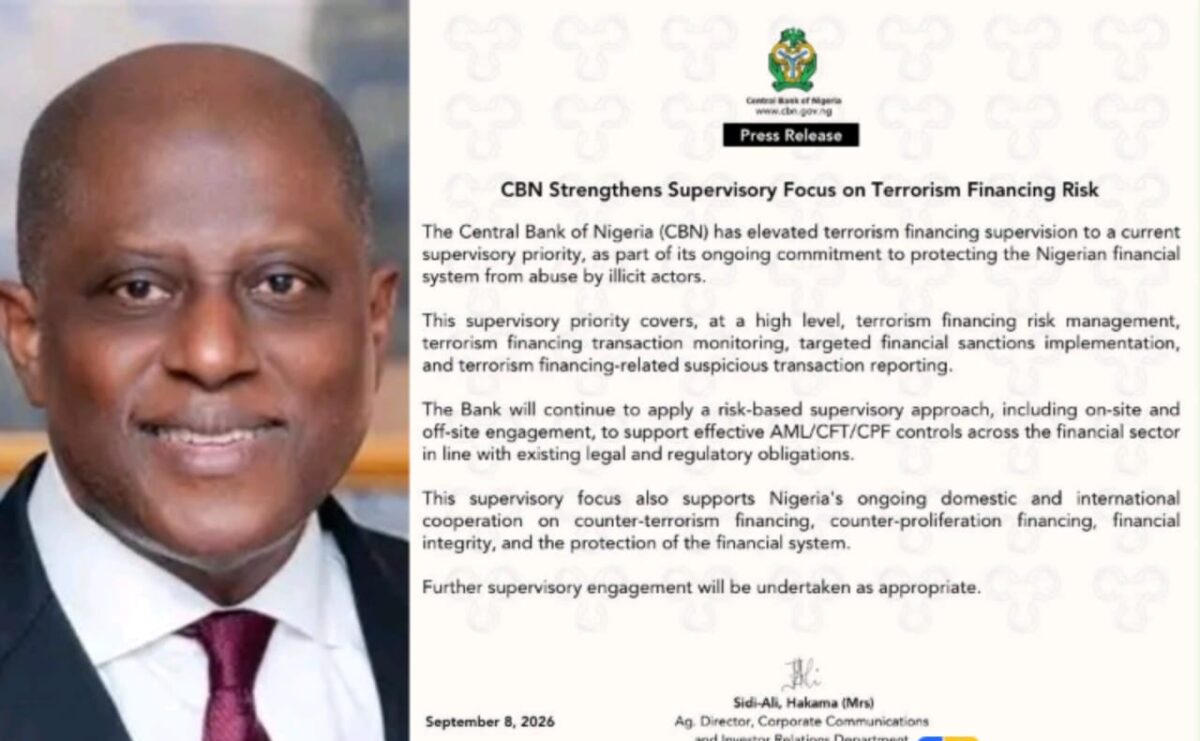
CBN increases priority supervision on terrorism financing
The CBN said it would continue to apply a risk-based supervisory approach.


