

EU bans destruction of unsold clothing
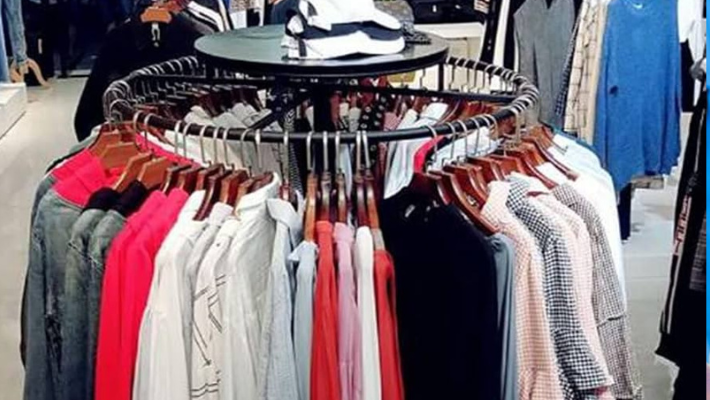
The rules banning large companies across the European Union (EU) from destroying unsold clothing products have officially come into effect.
The policy took effect on Sunday, and the EU also announced that it would extend to medium-sized companies starting in 2030.
“From 19 July, large companies across the EU are prohibited from destroying unsold clothes, clothing accessories and footwear. Medium-sized companies will be subject to the same rules from 2030,” the EU said in a statement on Friday.
Under new rules to reduce waste in accordance with Ecodesign for Sustainable Products Regulation (ESPR), which entered force in July 2024, large companies across the EU can no longer dispose of unsold clothes, accessories and footwear.
According to the EU, discarding usable unsold goods results in the waste of raw materials, water, energy, and labour invested in their production; however, the new regulations are intended to promote reuse, repair, and more resource-efficient business practices.
Meanwhile, companies would still be allowed to destroy unsold products in limited circumstances, such as when items are unsafe, damaged, counterfeit, infringe intellectual property rights, or are rejected by charities.
The organisation noted that companies looking to dispose of unsold products would need to provide documentation that the affected goods are eligible.
“The ban on destroying unsold textiles is one of the first concrete measures under the ESPR. Textiles are the first product group subject to this ban due to the negative environmental impacts of current business models, which often lead to the destruction of unsold goods,” the EU added.

We have recently deactivated our website's comment provider in favour of other channels of distribution and commentary. We encourage you to join the conversation on our stories via our Facebook, Twitter and other social media pages.

More from Peoples Gazette

States
Independence: NBA urges Nigerians to expect better future
The NBA said that ordinary Nigerians should be deriving benefit from the subsidy removal rather than hardship.

Agriculture
FG tasks ECOWAS on leveraging financing strategies for agroecology
The federal government has urged stakeholders in the agriculture and finance sectors in the West Africa region to leverage financing strategies to enhance agroecology practices

Politics
Katsina youths pledge to deliver over 2 million votes to Atiku
“Katsina State is Atiku’s political base because it is his second home.”
States
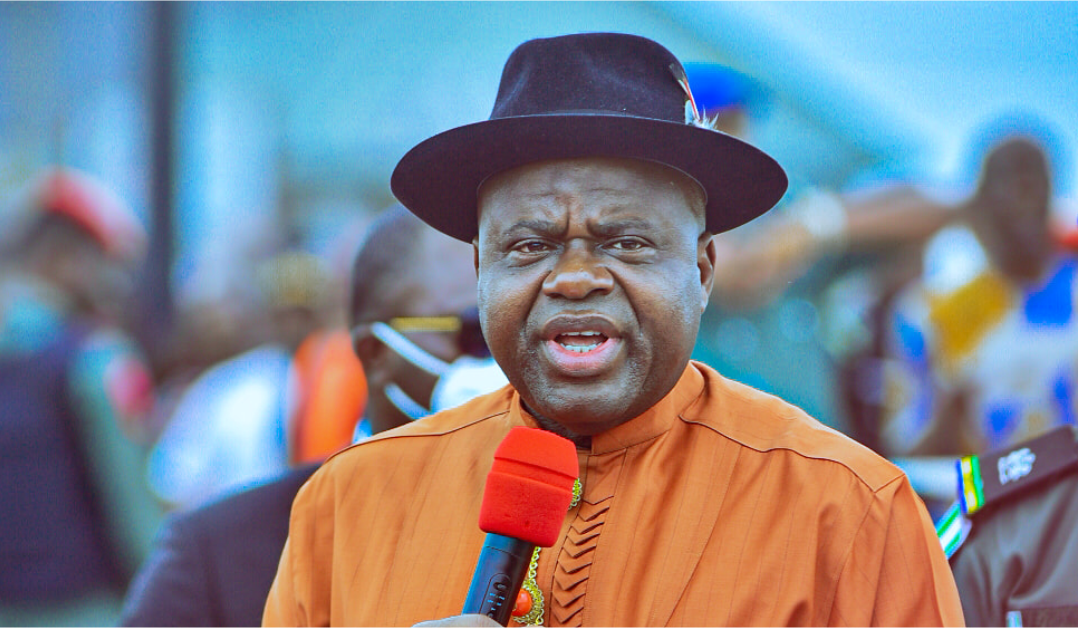
Bayelsa governor urges Nigerians to renew commitment to unity, development
The governor congratulated the people of Bayelsa at home and abroad.
NationWide
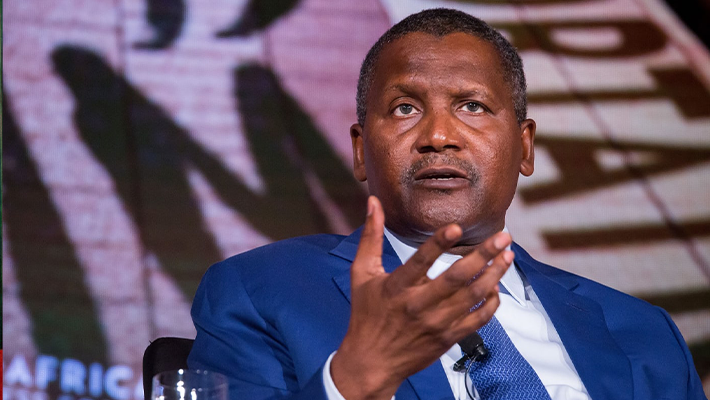
Dangote Foundation gives Nigerian students free shares to build new generation of investors
The initiative forms part of ADF’s broader commitment to empowering young Nigerians.

States
Police, security agencies launch operation to rescue abducted corps members in Imo
The incident occurred on Thursday at about 6:30 p.m. along the Owerri-Onitsha Road, near Umunoha.

Lagos
Tinubu attends premiere of MKO Abiola documentary in Lagos
MKO chronicles Mr Abiola’s life, political career and enduring place in Nigeria’s democratic history.
Agriculture
L-PRES transfers Ogun livestock quarantine facility to NAQS
Mr Ishiaku said the facility was part of L-PRES investments in animal health services.

Lagos
Bariga LCDA presents SUVs, buses to councillors, stakeholders
The chairperson said mobility was critical to enabling councillors to effectively discharge their legislative responsibilities.


