

Adamawa, Malala Fund unveil guidelines on return to school for adolescent mothers
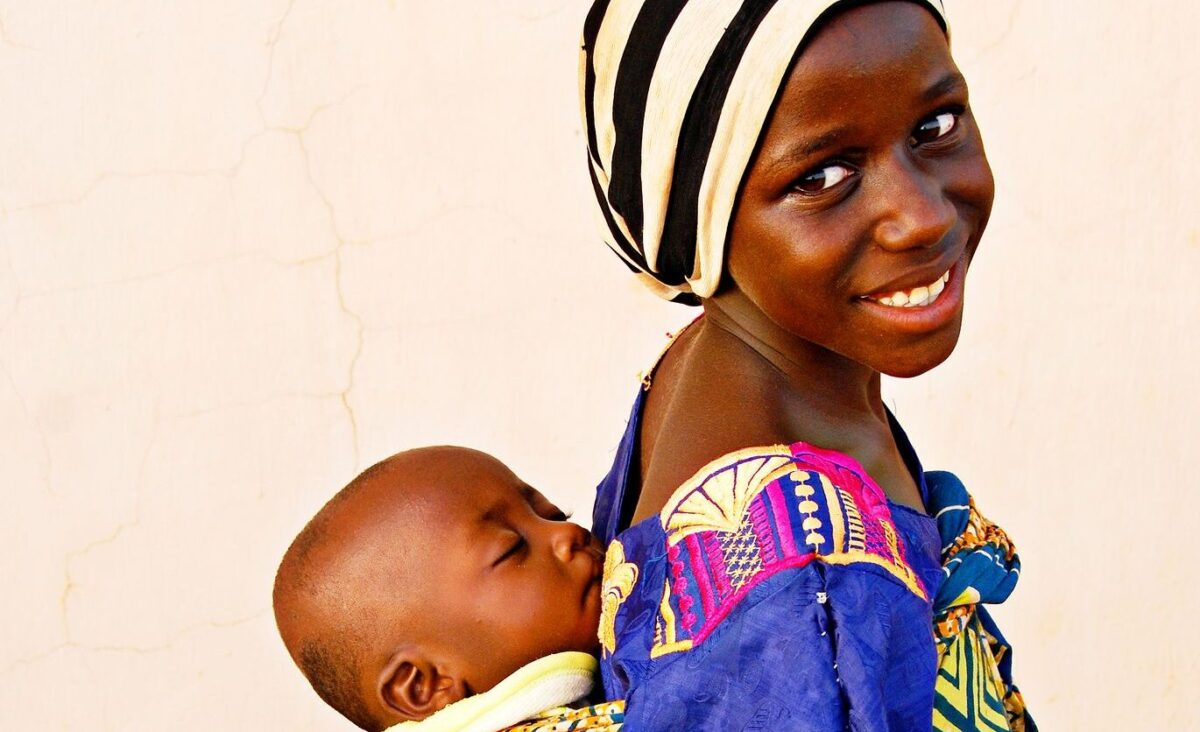
The Adamawa State government, in collaboration with the Malala Fund, has unveiled guidelines to enable married adolescents and adolescent mothers to return to school.
The guidelines were launched by the state Ministry of Education and Human Capital Development, with support from Assisting, Charity and Empowering (ACE) Charity and the Malala Fund, in Yola on Thursday.
The Commissioner for Education and Human Capital Development, Umar Garba, said the initiative aimed to ensure that girls who get married or become pregnant are not denied access to education.
He said many girls drop out of school due to poverty, early marriage, teenage pregnancy and other social challenges.
“This launch signifies our commitment to ensuring that no child drops out of school because she gets married or has a child early,” he said.
According to him, the framework outlines procedures for the re-entry of married adolescents and adolescent mothers.
Mr Garba said the ministry would work through relevant agencies, including the Mass Education Agency, to ensure the policy’s effective implementation across the state.
He, therefore, called on relevant stakeholders, especially families and communities, to support the programme.
He commended the fund for its technical support in developing the guidelines.
Also speaking, the Senior Programme Manager of ACE Charity, Hassana Shuaibu, said many married adolescents had their education interrupted due to marriage or pregnancy.
Mr Shu’aibu said there was no policy mandating girls to leave school after marriage or pregnancy.
He said the guidelines would provide school administrators with clear procedures on temporary leave and the process for returning to school.
Patience Aguma of the Federal Ministry of Education, who presented an overview of the guidelines, said married and pregnant girls in the state still face barriers to accessing and completing formal education.
She identified financial hardship, pregnancy-related disruptions, childcare responsibilities and restrictive social norms as major factors preventing many girls from returning to school.
Ms Aguma expressed optimism that implementing the guidelines would improve access to education for married adolescents and adolescent mothers in the state.
(NAN)

We have recently deactivated our website's comment provider in favour of other channels of distribution and commentary. We encourage you to join the conversation on our stories via our Facebook, Twitter and other social media pages.

More from Peoples Gazette

States
Independence: NBA urges Nigerians to expect better future
The NBA said that ordinary Nigerians should be deriving benefit from the subsidy removal rather than hardship.

Agriculture
FG tasks ECOWAS on leveraging financing strategies for agroecology
The federal government has urged stakeholders in the agriculture and finance sectors in the West Africa region to leverage financing strategies to enhance agroecology practices

Politics
Katsina youths pledge to deliver over 2 million votes to Atiku
“Katsina State is Atiku’s political base because it is his second home.”

Heading 3
Tinubu returns to Abuja after Lagos visit
The president paid a visit to the Oba of Lagos, Rilwan Akiolu, at his Iga Iduganran Palace on Lagos Island.

States
Customer Service Week: FRSC Kaduna seeks stronger partnership with road users
The sector commander reiterated the command’s commitment to the corps’ customer service objectives.

Sport
I owe Cristiano Ronaldo no apology, says Portugal coach Jesus
The coach assured that Ronaldo would be called up again for the next international window.

Sport
China Open: Medvedev disqualified after rebounded ball hits spectator in eye against Djokovic
Medvedev did not protest the disqualification despite saying the incident was unintentional.
States
Ekiti: INEC to commence display of voters’ register, PVC collection October 9
Mr Arowolo described the exercise as a foundational pillar for electoral integrity.

Africa
Africa to install record 17GW of solar in 2026, says Ember
The statement said Ember expects 36 of Africa’s 54 countries to set installation records this year.


