

UNICEF, Nigerian military move to strengthen child protection during operations
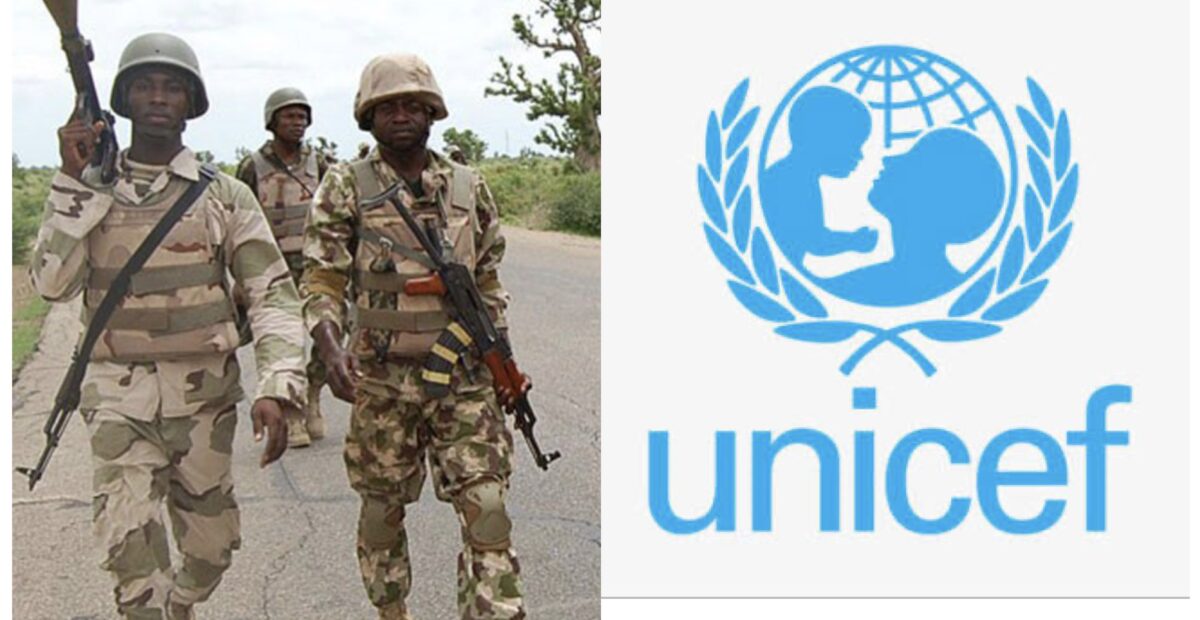
The Nigerian military and the United Nations Children’s Fund (UNICEF) have intensified efforts to strengthen the protection of children encountered during military operations by validating new operational tools and procedures.
The initiative formed the focus of a three-day Validation and Institutionalisation Workshop on Operational and Institutional Tools Supporting the Implementation of the Handover Protocol on Children Encountered During Military Operations.
Speaking at the opening in Abuja on Wednesday, UNICEF Nigeria’s Chief of Child Protection, Natalie McCauley, said the workshop was aimed at strengthening the implementation of the handover protocol signed by Nigeria in 2022.
She said the protocol established clear procedures for the protection, temporary care and timely transfer of children encountered during military operations from military custody to civilian child protection authorities.
According to her, the protocol represents Nigeria’s commitment to ensuring every child encountered during military operations is treated first and foremost as a child with dignity.
Ms McCauley said the government and UNICEF had also developed a 2024–2027 implementation plan to institutionalise the protocol within military doctrine, training and operational practice.
“The objective is clear: to ensure that implementation of the Handover Protocol is fully institutionalised within the systems, doctrine, training and operational practice of the Armed Forces of Nigeria.
“This workshop is an important step towards that goal. Over the next three days, participants will validate three key operational products – the Early Warning System, Standard Operating Procedures and the Reporting and Monitoring Toolkit,” she said.
She urged participants to provide practical recommendations that would strengthen the implementation of the protocol across the Armed Forces.
The representative of the Ministry of Defence, Maxwell Hedima, said the workshop was designed to validate operational documents that would strengthen child protection during military operations and align them with international standards.
Mr Hedima, an assistant director in the ministry, said participants were selected because of their operational experience, urging them to make practical contributions that would ensure the documents reflected realities in the field.
He said children remained the most vulnerable victims of armed conflicts and humanitarian crises, adding that the federal government was committed to supporting the development of internationally acceptable child protection frameworks while safeguarding Nigeria’s image through professional military operations.
Also speaking, UNICEF Child Protection Specialist Shah Muhammad Khan said the handover protocol recognised children formerly associated with armed groups primarily as victims rather than perpetrators.
Mr Khan said the protocol required the military to hand over such children to civilian authorities, mainly the Ministry of Women Affairs, within seven days of being encountered during operations.
He said the ministry subsequently provided interim care, family tracing, psychosocial support, education and vocational training to facilitate their reintegration into society.
According to him, UNICEF’s role is to provide technical support while implementation remains the responsibility of the Nigerian government and the Armed Forces.
He said the workshop was also validating an Early Warning System designed to improve coordination and ensure children encountered during military operations were quickly identified and referred to the appropriate authorities.
Mr Khan said the initiative would strengthen the military’s compliance with international humanitarian standards while promoting the successful reintegration of affected children into their communities.
He added that community acceptance remained essential for sustainable reintegration and long-term peacebuilding.
A participant from the Department of Defence Civil-Military Relations, Victory Gbaraba, described the workshop as timely and necessary.
Ms Gbaraba said the training equipped military personnel with the knowledge required to respond professionally whenever children were encountered during operations.
“The training covers the procedures to follow, reporting mechanisms and the proper handover process to the relevant civilian authorities.
“It is important because the Armed Forces are often the first responders in situations involving children affected by armed conflict,” she said.
She said participants were developing training guidelines that would enable the knowledge gained to be cascaded to personnel across the Armed Forces.
According to her, every service member, from senior officers to junior personnel, must understand the legal and operational requirements guiding the protection of children during armed conflict.
The Ministry of Defence was represented at the workshop, while participants were drawn from the Defence and Services Headquarters as well as training institutions.
(NAN)

We have recently deactivated our website's comment provider in favour of other channels of distribution and commentary. We encourage you to join the conversation on our stories via our Facebook, Twitter and other social media pages.

More from Peoples Gazette

Agriculture
FG tasks ECOWAS on leveraging financing strategies for agroecology
The federal government has urged stakeholders in the agriculture and finance sectors in the West Africa region to leverage financing strategies to enhance agroecology practices

Politics
Katsina youths pledge to deliver over 2 million votes to Atiku
“Katsina State is Atiku’s political base because it is his second home.”

States
NCAC, Enugu to host NAFEST 2026
NCAC is collaborating with the Enugu government to host the 2026 National Festival of Arts and Culture to promote national unity and cultural diversity.
Anti-Corruption
Latest list of U.S.-based Nigerian lawyers suspended for fraud, mishandling client money, misrepresentation
Ginikanwa Okedi was indefinitely suspended for mishandling client money or trust accounts, dishonest behaviour, fraud, and misrepresentation.
NationWide
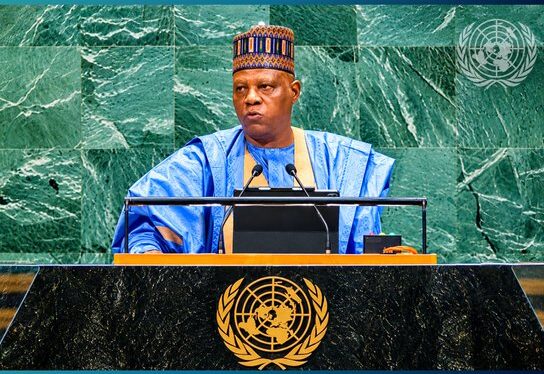
Shettima to address UNGA on Thursday
Nigeria will address the UN General Assembly on Thursday afternoon, with Vice-President Kashim Shettima delivering the country’s national statement for the third consecutive year.
Economy
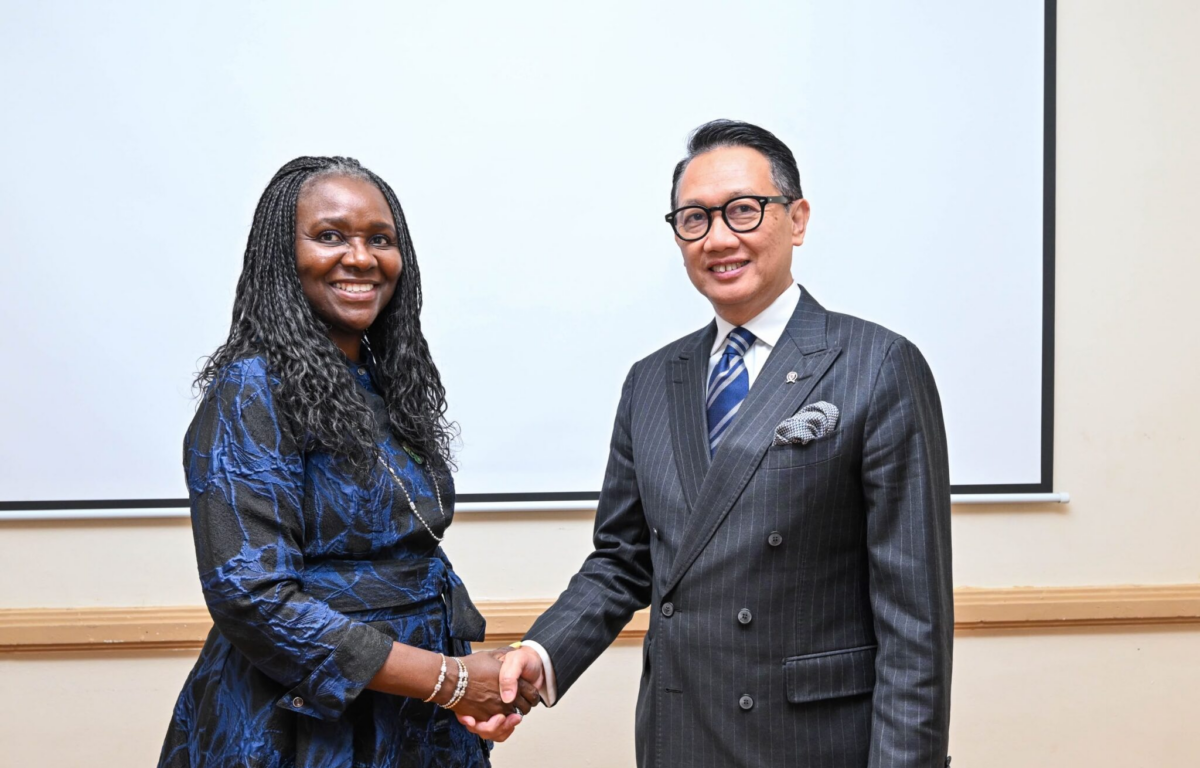
NUPRC, Indonesia open talks on oil investments as Pertamina eyes 2026 licensing round
NUPRC has opened discussions with Indonesia on petroleum investments, and Indonesian national oil company Pertamina has expressed interest in Nigeria’s 2026 licensing round.
Agriculture
Weather Alert: NiMet warns of strong winds as thunderstorms, rain sweep Nigeria
The Nigerian Meteorological Agency (NiMet) has forecast thunderstorms and rainfall across several parts of Nigeria from Monday to Wednesday.

Rights
NSCDC suspends three more officers over mass killing of Niger miners
The Nigeria Security and Civil Defence Corps has suspended three more officers and ordered three days of half-mast to mourn miners who died in its custody.


