

IMF lauds Saudi ‘resilience’ as economy weathers war, but cuts growth outlook to 1.7%

The executive board of the International Monetary Fund completed the Article IV Consultation for Saudi Arabia. The Saudi economy entered 2026 with strong momentum.
GDP expanded by 4.6 percent in 2025, supported by the unwinding of OPEC+ production cuts and robust non-oil activity driven by domestic demand. Inflation eased to below two per cent, and the labor market remained strong, with unemployment among Saudis at low levels.
The Saudi Central Bank’s foreign reserves remained comfortable, and the banking sector maintained strong buffers.
The war in the Middle East and the near halt in shipping through the Strait of Hormuz have disrupted activity, curtailed trade, including oil exports, and dented confidence. The economy is showing agility and resilience, reflecting Saudi Arabia’s strong macroeconomic fundamentals and diversified oil and logistics infrastructure.
Rerouting oil through the East-West pipeline to Red Sea ports has limited the drop in oil deliveries, while higher oil prices have more than offset volume losses, generating an oil revenue windfall. High-frequency indicators point to early stabilization in non-oil activity in April–June, after a likely contraction in March.
A recovery is expected to take hold once maritime traffic through the Strait gradually returns to normal. Growth is projected to slow to 1.7 percent in 2026, with non-oil growth easing to 2.6 percent. Activity will continue to be supported by domestic demand, underpinned by stable employment, robust government spending, and the steady execution of capital projects.
Inflation is projected to rise modestly to 2.2 percent, reflecting higher shipping and insurance costs partly offset by subdued rent inflation and price caps on some fuel and food items. Higher oil revenues are expected to narrow the current account and fiscal deficits this year. Over the medium term, growth will be supported by buoyant consumption and investment, including government-led projects and major international events, and by sustained structural reforms under Vision 2030.
The outlook hinges critically on the evolution of the conflict, with downside risks. Continued disruptions to shipping through the Strait could further curtail trade, weaken confidence, and weigh on growth and diversification. Other downside risks stem from global developments: weaker demand, trade tensions, tighter financial conditions, and a sustained decline in oil prices.
On the upside, faster normalisation of maritime traffic, higher oil prices or production, and stronger implementation of productivity-enhancing reforms would support growth.
Executive directors welcomed the Saudi economy’s resilience in the face of the war in the Middle East and the associated disruptions to shipping, trade, and oil exports. They considered that resilience owes to policy efforts anchored in Vision 2030 and reflected in sound macroeconomic fundamentals, including ample fiscal and external buffers; diversified energy and logistics infrastructure, such as the East-West pipeline; and effective crisis management.
The directors commended the authorities’ efforts to support trade rerouting, which helped strengthen the resilience of regional economies and global energy markets. They welcomed the steady reform progress that has strengthened institutions, bolstered economic performance, and helped preserve macroeconomic and financial stability.
They noted that the outlook remains highly uncertain, with risks to the downside. While a gradual recovery is expected once maritime traffic through the Strait of Hormuz normalises, an escalation or prolongation of the conflict could heighten uncertainty and weigh on growth prospects. Directors therefore restated the importance of maintaining policy flexibility, safeguarding buffers, and updating contingency plans—including to preserve confidence.
The directors agreed that a modest reduction in the non-oil primary deficit in 2026 is appropriate, with any fiscal response to the shock accommodated through spending reprioritisation. Directors commended the authorities’ policy prudence and found the non-fiscal measures taken so far to be appropriate, while noting that any fiscal support should be temporary, targeted, and transparent. Directors generally considered that, should the shock prove more pronounced, Saudi Arabia has the fiscal space to ease its stance and cushion the economy.

We have recently deactivated our website's comment provider in favour of other channels of distribution and commentary. We encourage you to join the conversation on our stories via our Facebook, Twitter and other social media pages.

More from Peoples Gazette

States
Independence: NBA urges Nigerians to expect better future
The NBA said that ordinary Nigerians should be deriving benefit from the subsidy removal rather than hardship.

Agriculture
FG tasks ECOWAS on leveraging financing strategies for agroecology
The federal government has urged stakeholders in the agriculture and finance sectors in the West Africa region to leverage financing strategies to enhance agroecology practices

Politics
Katsina youths pledge to deliver over 2 million votes to Atiku
“Katsina State is Atiku’s political base because it is his second home.”

NationWide
Aviation unions oppose FG’s plan to abolish 5% ticket, cargo sales charges
Mr Ocheme said that any review of aviation charges must follow transparent statutory procedures.
States
NAFDAC warns Imo patent medicine dealers against selling fake, expired drugs
According to the NAFDAC boss, commercial interests must never justify endangering public health.
Economy
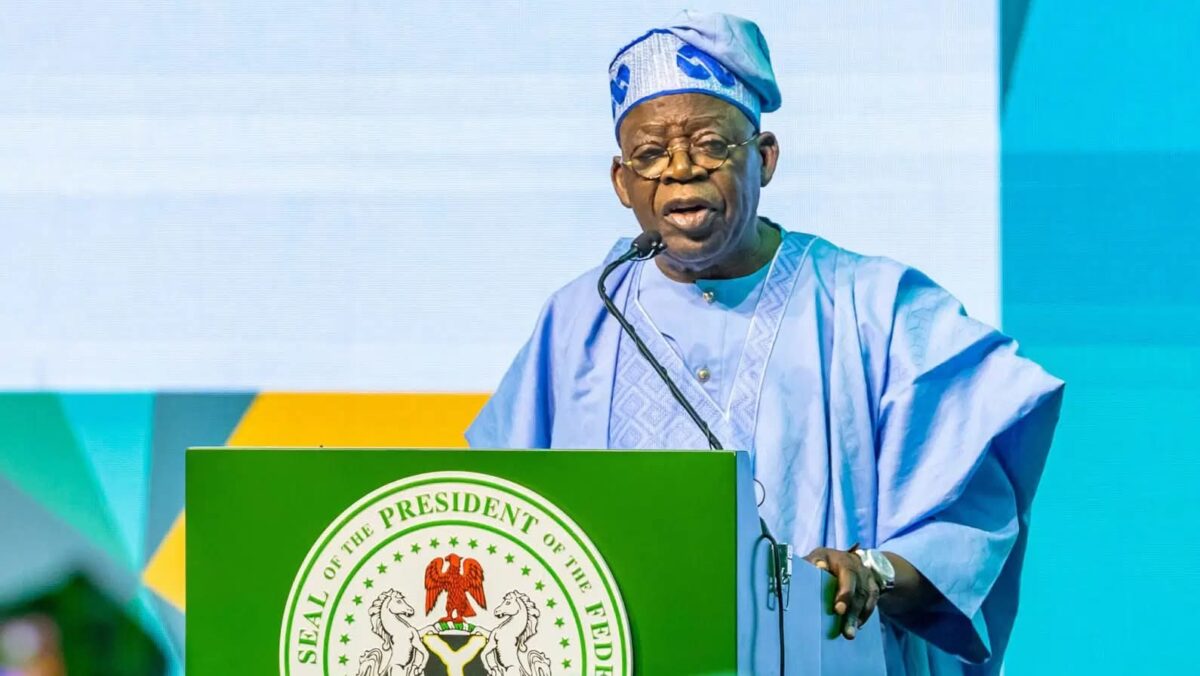
N1,300/$1: Naira would have become worthless without my policy, Tinubu says
Mr Tinubu announced the unification of exchange rates a few days into his administration in 2023.
Lagos
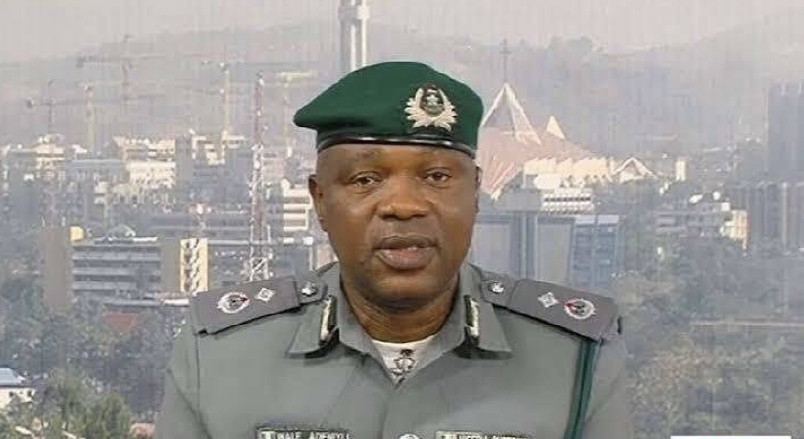
Customs boss decries 20-year abandonment of power equipment at ports
Mr Adeniyi described the abandonment of equipment procured with public funds as irresponsible.
NationWide
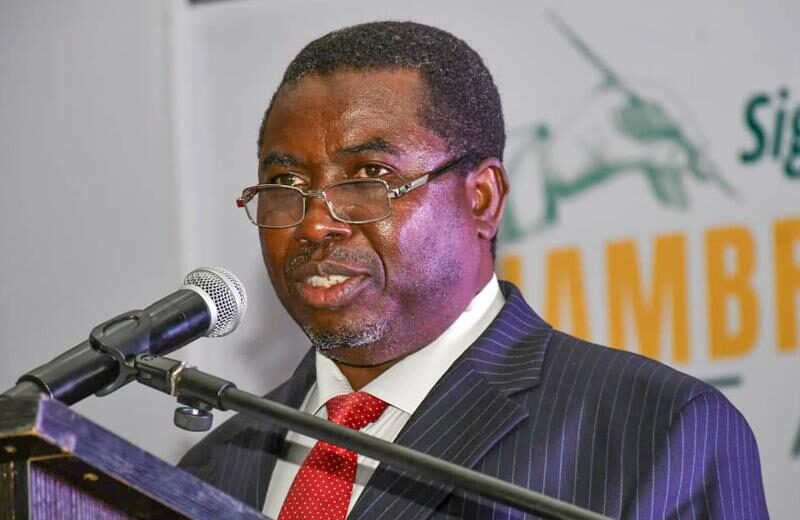
2027: INEC chairman restates commitment to improved staff welfare
Mr Amupitan disclosed that the commission had introduced a new salary structure.

NationWide
Atiku sold Nigeria’s assets as VP, will sell country if elected president: Wike
Mr Shaibu challenged the minister to identify the specific national assets Mr Abubakar allegedly sold.


