

WHO’s Ghebreyesus decries Trump’s executive order on vaccines
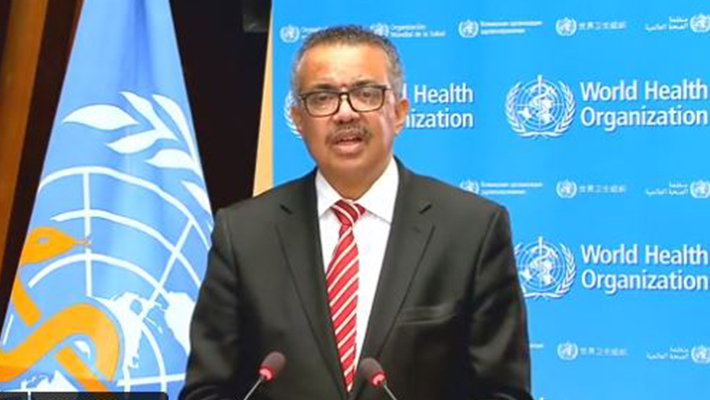
The World Health Organisation has voiced concern over U.S. President Donald Trump’s administration’s executive order on vaccines.
WHO, also on Wednesday, upheld the safety of childhood vaccines in response to a new directive from the White House to overhaul the recommended inoculation schedule.
The WHO secretary-general, Tedros Ghebreyesus, in a statement on Wednesday, underscored the critical role of vaccination for public health. He acknowledged that “every parent wants to keep their children safe, and vaccines are among the most powerful tools for doing that, making deadly diseases preventable.”
On Monday, Mr Trump signed an executive order that calls for reducing the number of routine childhood immunisations from 18 to 11.
The administration’s Gold Standard Childhood Vaccine Recommendations also advocate for separating the combined measles, mumps and rubella vaccine into three single-disease shots that would be administered during separate medical appointments.
The policy also aims to improve vaccine research and to maximise parental choice over which shots their children receive. This is to ensure state compliance with constitutional and federal statutory obligations regarding parental authority, religious freedom, accommodations for those with disabilities and equal protection under the law.
Mr Ghebreyesus said WHO was concerned that the changes “are not aligned with decades of evidence” on when best to immunise children, how many doses are needed, and which vaccines can be administered together safely.
This evidence is also reviewed continuously as new data emerge from across the world.
“The current evidence is unequivocal: vaccines—including the MMR vaccine—are safe and do not cause autism,” he said.
Moreover, “delaying vaccines or separating doses unnecessarily does not make vaccination safer and can leave children unprotected,” he stated.
Mr Ghebreyesus said “global evidence and recommendations, including from WHO”, inform national experts in determining which vaccines and schedules are best for their country.
He restated that “vaccination policy should be guided by rigorous, independent and transparent review of the best available science, not by political influence”.
(NAN)

We have recently deactivated our website's comment provider in favour of other channels of distribution and commentary. We encourage you to join the conversation on our stories via our Facebook, Twitter and other social media pages.

More from Peoples Gazette

States
Independence: NBA urges Nigerians to expect better future
The NBA said that ordinary Nigerians should be deriving benefit from the subsidy removal rather than hardship.

Agriculture
FG tasks ECOWAS on leveraging financing strategies for agroecology
The federal government has urged stakeholders in the agriculture and finance sectors in the West Africa region to leverage financing strategies to enhance agroecology practices

Politics
Katsina youths pledge to deliver over 2 million votes to Atiku
“Katsina State is Atiku’s political base because it is his second home.”
Africa
Economic growth in Nigeria, other Sub-Saharan Africa countries gaining momentum despite global uncertainty: World Bank
Building the foundations for an AI-ready economy can help turn Africa’s growth into more jobs and better opportunities for the region’s rapidly growing labour force.

NationWide
ITUC-Africa warns political leaders against inflammatory comments ahead of 2027 polls
Mr Odigie expressed concern over inflammatory political rhetoric as Nigeria approaches the 2027 elections

Heading 2
Abducted corps member’s sister begs Nigerians to support her rescue
Ms Olawole said her sister was suffering from chronic ulcer.
Africa
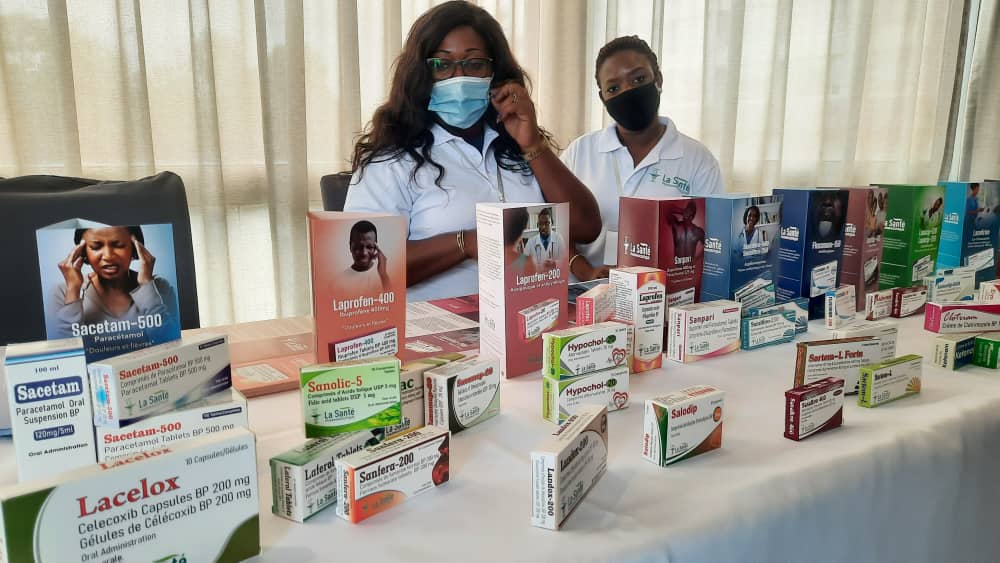
When Streets Become Pharmacies: Booming illicit markets in Central Africa
From 2020 through 2025, authorities seized 251 tonnes of medical products in Cameroon, the Republic of Congo, Gabon, the Central African Republic, and Chad.

Ibadan
40-year-old man arraigned for allegedly breaking into woman’s shop
The defendant pleaded not guilty to the charge.

Politics
ADC tackles Gov Lawal over N20 billion projects in Zamfara LGAs
The Zamfara chapter of the African Democratic Congress has called on Governor Dauda Lawal to account for the N20 billion in projects executed in each council area.


