


Insecticide resistance, climate change worsening malaria fight, says expert
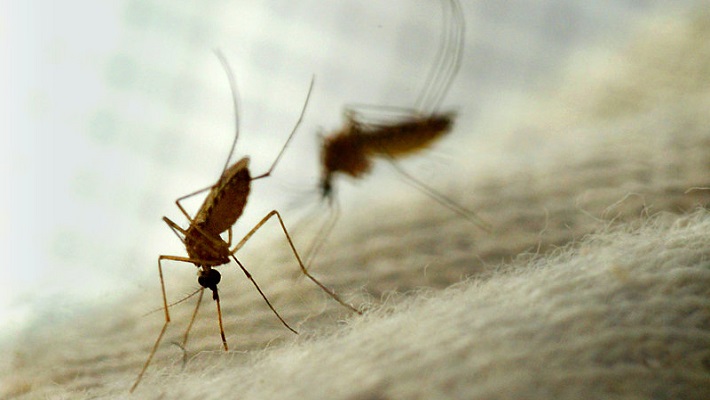
Emmanuel Agogo, a global health consultant and environmental health science specialist, says insecticide resistance and climate change threaten the control of mosquito-borne diseases.
Mr Agogo said this in an interview with journalists on Saturday in Abuja, in commemoration of the 2026 World Mosquito Day.
He said the growing resistance of mosquitoes to insecticides, coupled with changing climatic conditions and rapid urbanisation, was making the control of malaria and other mosquito-borne diseases increasingly difficult.
According to him, mosquitoes remain one of the most significant public health threats globally because they transmit diseases like malaria, dengue, yellow fever, chikungunya, and Zika.
The expert said the challenge was particularly serious in Africa, where malaria accounts for a disproportionate share of the global disease burden.
“The World Health Organisation (WHO) estimated that 282 million malaria cases and 610,000 deaths occurred globally in 2024, with the African Region accounting for 95 per cent of both cases and deaths,” he said.
He said the increasing resistance of mosquito vectors to commonly used insecticides was weakening the effectiveness of established interventions, including insecticide-treated bed nets and indoor residual spraying.
He said pyrethroid resistance in mosquito populations was of particular concern, stressing that continued reliance on the same insecticides could undermine progress in malaria prevention.
Mr Agogo called for stronger insecticide-resistance surveillance to enable health authorities to identify emerging resistance patterns and adapt vector-control strategies accordingly.
He also identified climate change as an important factor influencing the spread and transmission of mosquito-borne diseases.
He said changes in temperature, rainfall patterns, and other environmental conditions could create new breeding opportunities for mosquitoes and extend their geographical range.
“Rapidly growing cities are also creating more opportunities for mosquito breeding, particularly where poor drainage, inadequate waste management and stagnant water persist,” he said.
The specialist also said that WASH interventions had an important role to play in mosquito control, particularly through environmental management and the elimination of breeding sites.
He urged households and communities to regularly remove stagnant water from containers, gutters, discarded tyres, and other places where mosquitoes could breed.
He also drew attention to the growing threat posed by invasive mosquito species, particularly Anopheles stephensi, an urban malaria vector that has spread into several African countries.
“Recent research has shown that Anopheles stephensi has established itself in Africa and carries insecticide-resistance traits, raising concerns about its potential to complicate malaria control in rapidly urbanising areas,” he said.
Mr Agogo said the emergence of such vectors demonstrated the need for countries to strengthen entomological surveillance and detect changes in mosquito populations before they resulted in wider disease transmission.
He said the global rise in dengue also illustrated the need for countries to broaden their approach to mosquito control beyond malaria.
He said that dengue transmission was expanding in many parts of the world, with climate change, urbanisation, and population movement contributing to shifting transmission patterns.
According to him, advances in vector-control technology offer opportunities to complement conventional interventions.
He cited Wolbachia, a biological control approach being deployed in several countries, as an example of an innovative intervention capable of reducing the ability of mosquitoes to transmit certain viruses.
“The World Mosquito Programme says its Wolbachia method has been used to protect almost 16.1 million people globally,” he said.
He also identified next-generation insecticide-treated bed nets as an important development in addressing insecticide resistance.
“The integration of malaria vaccines, improved disease surveillance, biological control and environmental management into national programmes will provide a more comprehensive response to mosquito-borne diseases.
“No single intervention can adequately address the changing threat,” he said.
He called for stronger collaboration among governments, researchers, communities, development partners, and the private sector to scale up innovative vector-control tools and strengthen surveillance.
He also urged African countries to invest more in local research and data systems to understand how climate, urbanisation, mosquito behaviour, and insecticide resistance are changing disease transmission patterns.
The expert said sustained financing remained critical, warning that funding shortages could reverse gains made in malaria and other mosquito-borne disease control.
He urged governments to ensure that vector control remained a priority within national health and environmental programmes rather than being treated only as an emergency response during outbreaks.
He further advised communities to take simple preventive measures, including eliminating stagnant water, maintaining clean surroundings, improving drainage, and using appropriate personal protection against mosquito bites.
“The fight against mosquito-borne diseases requires a combination of public health, environmental and technological interventions.
“Mosquito control is no longer just about killing mosquitoes; it is about understanding the environment in which they thrive, how they are changing and how diseases are being transmitted,” he said.
He called for sustained political commitment and investment in research, surveillance, WASH infrastructure, and innovative vector-control technologies to protect vulnerable populations and prevent the reversal of public health gains.
(NAN)

We have recently deactivated our website's comment provider in favour of other channels of distribution and commentary. We encourage you to join the conversation on our stories via our Facebook, Twitter and other social media pages.

More from Peoples Gazette

Agriculture
FG tasks ECOWAS on leveraging financing strategies for agroecology
The federal government has urged stakeholders in the agriculture and finance sectors in the West Africa region to leverage financing strategies to enhance agroecology practices

Politics
Katsina youths pledge to deliver over 2 million votes to Atiku
“Katsina State is Atiku’s political base because it is his second home.”

Heading 1
FG approves two new satellites to boost connectivity
Mrs Nkechi Egerton-Idehen said the approval marked an important milestone for the company and Nigeria.

Abuja
2027: NDC South-East targets one million votes for Obi/Kwankwaso in FCT
Mr Nwosu said the group would commence intensive mobilisation ahead of the campaigns.
Lagos
Five suspected vandals nab, stolen iron rods recovered in Lagos
Ms Adebisi added that discreet investigation is ongoing to apprehend other fleeing suspects.

Hot news Home top
Kano Emirate introduces drug test for prospective traditional rulers
He said the measure became necessary because of the harmful effects of drug abuse on individuals.

Heading 5
Ajayi scores as Hull City stun Manchester United in EPL opener
Ajayi opened the scoring for the Tigers in the 17th minute.

Heading 4
Tinubu appoints tax czar Zacch Adedeji as 2027 campaign fundraising deputy director
Mr Adedeji will join other politicians in raising funds for Mr Tinubu’s re-election bid.


