


Diagnostics, disease surveillance central to Nigeria’s health sovereignty, says Adetifa
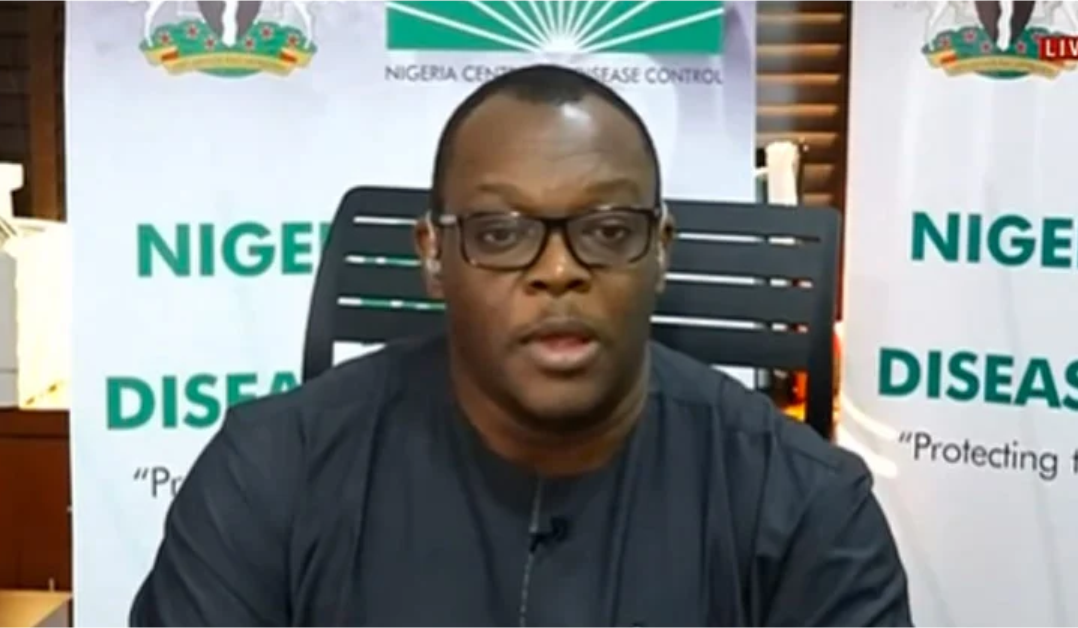
Ifedayo Adetifa, former director-general of the Nigeria Centre for Disease Control and Prevention (NCDC), says control of diagnostic tools and disease surveillance systems is central to Nigeria’s health sovereignty.
Mr Adetifa said this in an interview with journalists on Saturday in Abuja while reacting to his publication titled, “Who Holds the Power, and Who Names It?”
He said health sovereignty should go beyond domestic financing and local manufacturing.
“It should also include the ability of countries to determine what constitutes a health problem, what is detected and counted, and what evidence is considered credible in shaping health policies,” he said.
According to him, diagnostic capacity is central to how countries understand and respond to disease threats.
“A diagnostic test decides what is detected, and surveillance case definitions decide what is counted, so together they decide what registers as a problem at all,” he said.
He said that countries that relied heavily on diagnostic tools and disease definitions developed elsewhere could risk surrendering part of their authority to determine their own disease burden and health priorities.
The former NCDC boss said diagnostic sovereignty was, therefore, an important but often overlooked component of national health security.
He said that discussions around health sovereignty often focused on manufacturing and financing but argued that the deeper issue also involved who had the authority to generate, define and validate knowledge about a country’s health challenges.
He also raised concerns about the increasingly transactional nature of global health, with international cooperation becoming more closely linked to strategic interests, funding priorities, and access to data and biological resources.
He, however, said African countries should be able to harness international investment in health to strengthen their own systems rather than reject external partnerships.
“There is nothing wrong with harnessing a wave of investment interest, health security included.
“To serve the wider health agenda, and against a backdrop of thin domestic financing there is often no better place to start,” he said.
He said that the challenge was to ensure that national leadership remained strong enough to determine how such investments were aligned with domestic priorities.
According to him, whether external funders ultimately dictate the direction of a country’s health agenda depends largely on the strength of national leadership.
He identified a clear national vision, implementation strategy, effective coordination across government institutions, and defined priorities for partners as essential to ensuring external resources support national health objectives.
He said his experience at the NCDC showed that holding development partners to nationally defined priorities was not always comfortable but remained necessary.
“As I often reminded partners, there is no global health security without national health security,” he said.
He welcomed the federal government’s implementation of the Sector-Wide Approach for Health (SWAp), describing it as an important mechanism for bringing development partners behind one national plan and agenda.
He said the approach could help address donor fragmentation and the proliferation of vertical programmes by aligning financing and activities within a common national framework.
“The effectiveness of such mechanisms will remain constrained by inadequate domestic health financing and differences in commitment among stakeholders.
“These weaknesses can leave the country vulnerable to external priorities despite having structures designed to promote national ownership,” he said.
Mr Adetifa also linked health sovereignty to what he described as “epistemic power”, the ability to determine what constitutes legitimate knowledge and who is recognised as a credible authority.
He said that the imbalance was visible in global health research, where African researchers and institutions could remain underrepresented in defining and documenting the continent’s health challenges.
According to him, meaningful African participation should extend beyond merely listing local researchers as contributors to studies led primarily by institutions in high-income countries.
He urged African researchers to have greater authority in defining research questions, interpreting evidence, and shaping the narrative around African health.
He said the issue was particularly important because decisions about funding, policy, and interventions were often based on how health problems were identified and described.
He said that the ability to diagnose and measure disease was, therefore, not merely a technical matter but also an issue of power.
“Asserting power over diagnostics is asserting the right to name your own disease burden,” he said.
He called for stronger national investment in diagnostic capacity, surveillance systems, research, and health financing.
According to him, these are essential to ensuring that Nigeria can determine its own health priorities while continuing to benefit from international partnerships.
“Global solidarity remains important because infectious diseases and other health threats do not respect national borders,” he said.
The former NCDC boss said that solidarity should be supported by institutions, financing, and accountability rather than being left as a declaration of intent.
He said countries needed to ensure that external partnerships strengthened national systems and contributed to long-term health security rather than creating parallel structures that could weaken domestic ownership.
“If this transactional era is to end in something other than decline, the people who carry the burden will need to hold the budget, the priorities and the account of the problem itself,” he said.
He said that strengthening Nigeria’s ability to detect, define, and respond to its health challenges would ultimately benefit both national and global health security.
“There is no health for all without diagnosis for all, and no diagnosis for all without the power to define what counts as evidence and to be believed,” he said.
(NAN)

We have recently deactivated our website's comment provider in favour of other channels of distribution and commentary. We encourage you to join the conversation on our stories via our Facebook, Twitter and other social media pages.

More from Peoples Gazette

Agriculture
FG tasks ECOWAS on leveraging financing strategies for agroecology
The federal government has urged stakeholders in the agriculture and finance sectors in the West Africa region to leverage financing strategies to enhance agroecology practices

Politics
Katsina youths pledge to deliver over 2 million votes to Atiku
“Katsina State is Atiku’s political base because it is his second home.”

Rights
Women urge parents to ease marriage pressure, prioritise readiness
Some women urged parents to stop pressuring their daughters to marry within a certain age bracket.
Heading 2
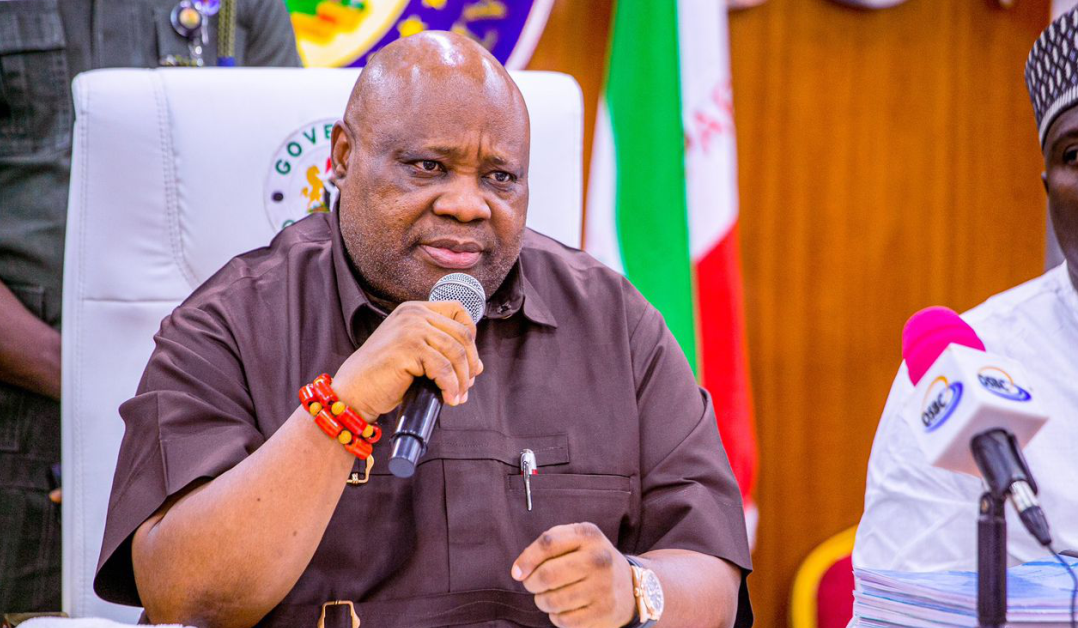
Gov Adeleke sets up panel to probe Ikire violence, killings
The governor said the panel was empowered to investigate the circumstances surrounding the incident and determine the identities and number of victims.
Lagos
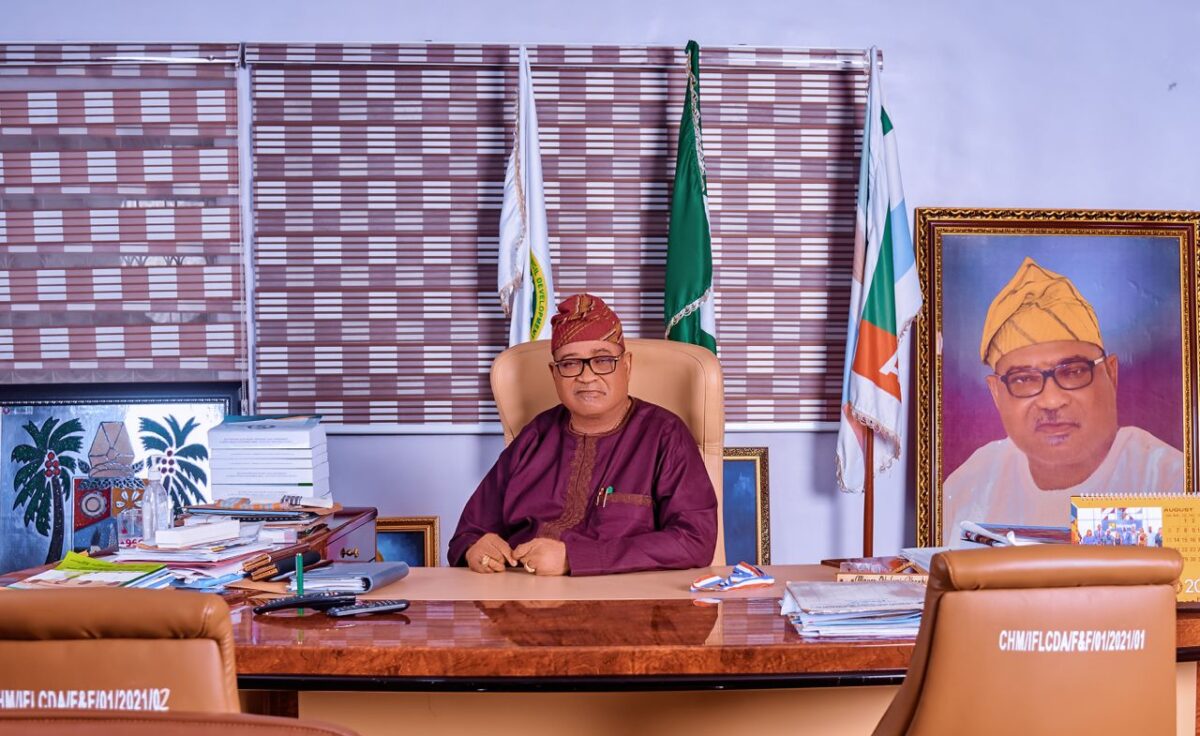
Lagos LCDA chairman appoints additional 250 SAs, SSAs to strengthen governance
Mr Okeowo appointed 128 SSAs and SAs in July.

Heading 2
FG inaugurates first national pilot ranching programme in Adamawa
The minister said the Adamawa government had allocated approximately 9,600 hectares for the project.
Africa
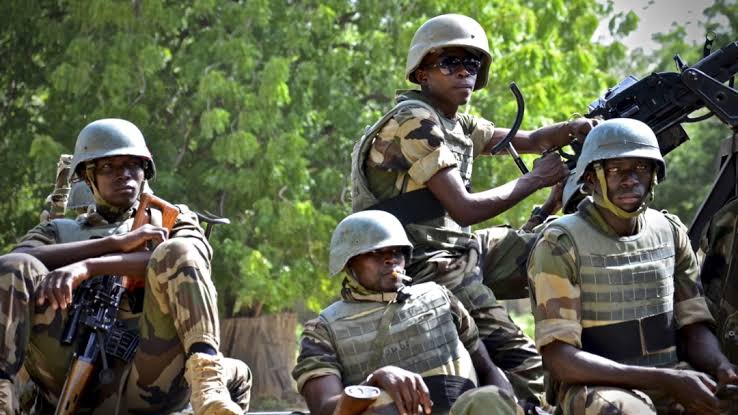
Niger: Mutinous soldiers attack airport, presidency as military restores control
The attack temporarily knocked state television and radio off the air.

Abuja
Experts urge Nigerians to conduct due diligence before buying land
Mr Abraham said the major challenge confronting prospective property investors was misinformation.


