

Expert advises Nigerians to reduce salt, sugar intake
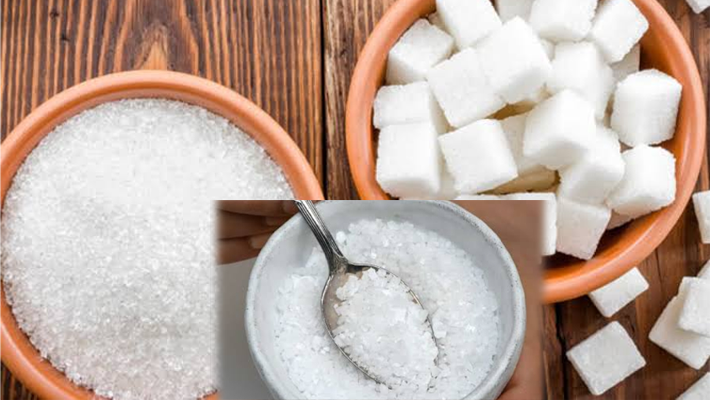
A public health nutritionist has urged Nigerians to reduce salt, sugar and fatty foods, saying healthier dietary choices could help curb rising hypertension cases and related deaths nationwide.
Florence Uchendu of Public Health Nutrition and Epidemiology at the National Open University of Nigeria, Abuja, gave the advice during an interview in Abuja.
Ms Uchendu described hypertension as a global public health problem, particularly severe in sub-Saharan Africa and Nigeria, where unhealthy dietary practices and lifestyles contributed significantly to rising disease burden and mortality.
She identified excessive sodium intake as a major dietary risk factor for high blood pressure, warning Nigerians against using too much salt while cooking or adding extra salt at the table.
“Every food has its natural taste. There are people that, for everything they cook, they must dump salt there. Yam, rice, corn, virtually everything.
“Eat your food the way it has been cooked. It is not advisable to add any other salt,” she said.
She also cautioned against frequent consumption of processed and packaged foods, including biscuits, bread, noodles, soft drinks and fruit juices, which might contain substantial amounts of sodium or added sugars.
“The average consumer is not protected. You pick a packet of biscuits that says low in sugar, but when you look at it, it’s as high as 450 grams,” she said.
Other risk factors she listed included frequent consumption of fried foods, obesity, sedentary lifestyles, excessive alcohol intake and diets containing substantial amounts of unhealthy fats and refined sugars.
The nutritionist advised consumers to read food labels carefully, particularly information on sodium, added sugars and saturated fats, to make informed choices when purchasing processed and packaged foods.
She explained that vegetable oils generally did not contain cholesterol because it was found in animal products, but excessive consumption of any cooking oil increased overall dietary fat.
Ms Uchendu said consumers should therefore focus on moderation, avoid repeatedly heating cooking oil and reduce consumption of heavily fried foods, rather than judging oil quality by whether it solidified.
She recommended using homegrown spices, vegetables and fruits as healthier alternatives to packaged seasonings, while encouraging households to cultivate herbs such as curry leaves and sweet basil.
The nutritionist advised hypertensive patients to prepare meals at home, where they could better control salt, sugar and oil, while encouraging increased fish consumption and choosing lean meats.
“Use skimmed milk instead of full-fat milk, low-glycaemic foods such as yam, beans, and unripe plantain over rice, and walk exercise instead of always using vehicles.
“Read food labels carefully and avoid ‘fry-fry’ street foods. If your blood pressure is stress-induced, rest and reducing stress can help. But if you are already hypertensive and on drugs, avoid salt completely.
“Once you remove dietary salt, your sodium goes down and your blood pressure will come down,” she said.
She also advised people with hypertension to moderate their intake of sugary foods and drinks, noting that excessive sugar consumption could increase the risk of obesity and diabetes.
Ms Uchendu urged Nigerians to seek professional dietary counselling from dietitians in teaching hospitals, particularly when managing hypertension or other diet-related chronic conditions requiring long-term lifestyle changes.
“Hypertension is not the end of life. If you avoid salt, sugar and fatty foods from when you are young, you will be healthy. Read the labels. Do not be deceived,” she said.
(NAN)

We have recently deactivated our website's comment provider in favour of other channels of distribution and commentary. We encourage you to join the conversation on our stories via our Facebook, Twitter and other social media pages.

More from Peoples Gazette

States
Independence: NBA urges Nigerians to expect better future
The NBA said that ordinary Nigerians should be deriving benefit from the subsidy removal rather than hardship.

Agriculture
FG tasks ECOWAS on leveraging financing strategies for agroecology
The federal government has urged stakeholders in the agriculture and finance sectors in the West Africa region to leverage financing strategies to enhance agroecology practices

Politics
Katsina youths pledge to deliver over 2 million votes to Atiku
“Katsina State is Atiku’s political base because it is his second home.”

Education
OAU resumes new academic session November 1
The school noted that registration for newly admitted students would begin on November 2.

Heading 5
Apple’s first foldable iPhone draws complaints over cracked screens
Apple released the iPhone Duo, its first foldable phone, earlier this year.

Sport
Lamine Yamal wins ‘Men’s young talent of the year’
The Spanish and Barcelona star played a key role in Spain’s World Cup victory.
Heading 3
2027: INEC makes preliminary voter register available online
The commission explained that it was continuing to process claims and objections arising from the exercise in accordance with the Electoral Act, 2026.

Heading 2
Human remains discovered along Switzerland-Germany border
Investigators suspect that it was a homicide.

States
Ebola: Cross River trains 34 health workers
The commissioner said no Ebola case had been reported in the state at the time of the training.


