

Tinubu’s policies caused malnourishment of 41% Nigerian children: Atiku
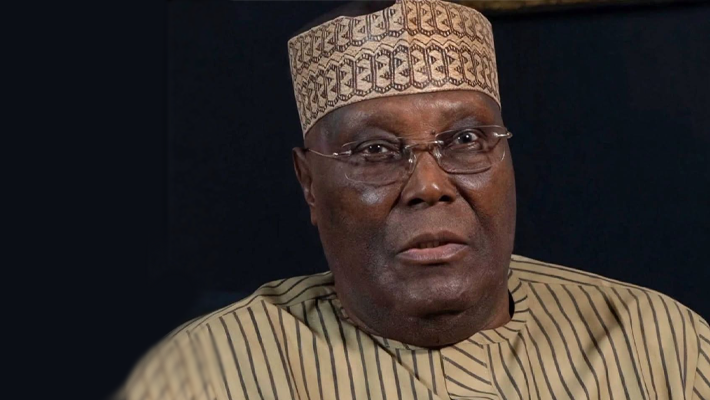
Former Vice President Atiku Abubakar has described Nigeria’s worsening child-malnutrition figures as one of the most disturbing manifestations of the country’s cost-of-living crisis, warning that economic hardship is no longer merely emptying the pockets of parents but threatening the physical development and future of millions of Nigerian children.
Latest figures presented by nutrition experts show that 41.1 per cent of Nigerian children under five are stunted, 19.2 per cent severely stunted, and the prevalence of stunting rises to 58.2 per cent in the North-West.
Nearly two million children are also reported to be suffering severe acute malnutrition, with only about two in every ten receiving treatment.
In a statement by his Senior Special Assistant on Public Communication, Phrank Shaibu, Mr Atiku said the figures must be considered alongside the pressure that food, transportation and energy costs are placing on household budgets.
“This is the most heartbreaking face of the cost-of-living crisis. Behind every statistic is a Nigerian mother struggling to decide what her children can eat, how much they can eat and how often they can eat.
He said, “A child does not understand inflation figures. A child only knows whether there is food on the table.
“When nutritious food moves beyond the reach of millions of families, the consequences eventually appear in the bodies of our children. Today, the country is being confronted with figures that should shock the conscience of every leader.”
Nigeria’s National Bureau of Statistics currently reports food inflation at 19.57 per cent, even as households continue to contend with high prices accumulated over recent years.
Mr Atiku said the relationship between energy costs and household welfare was precisely why his economic programme placed affordability at its centre.
The World Bank has previously noted that higher petrol prices reduce household purchasing power directly and can also feed through into the prices of other goods and services, particularly transportation.
He stated, “When fuel becomes expensive, transporting tomatoes from the farm becomes expensive. Taking rice to the market becomes expensive. Moving children to school becomes expensive. Running the neighbourhood grinding machine becomes expensive. Powering the small shop becomes expensive.
“And eventually, the additional cost arrives at the dinner table. That is why I refuse to accept an economic philosophy in which government simply watches prices rise and tells struggling citizens to endure.”
Mr Atiku reiterated that his proposed petroleum intervention was a production subsidy, rather than a return to subsidising imported petrol.
His published proposal provides for targeted support tied to crude refined domestically, with the intervention capped, transparently budgeted and independently audited.
He added, “My position is straightforward: support what Nigeria produces and refines, lower domestic production costs, and ensure that the benefit reaches the Nigerian consumer.
“This is not an import subsidy. If you do not refine in Nigeria, you do not qualify. The subsidy follows the barrel refined in Nigeria.
Produce here. Refine here. Create jobs here. Pay less here.”
Mr Atiku said reducing the underlying cost of energy was important not only because Nigerians buy petrol, but because energy and transportation costs run through agriculture, manufacturing, logistics, markets and household expenditure.
Mr Atiku said, “My production-subsidy proposal is therefore not simply a petrol policy. It is part of a broader affordability programme.
“I want the farmer to spend less getting produce to market. I want the trader to spend less transporting goods. I want the bus driver to spend less on fuel. I want parents to have more money left after transportation so that they can put better food on the table.
“Economic policy must ultimately answer a very simple question: Can the ordinary Nigerian afford to live?
“The nutrition figures before us make that question even more urgent. We must expand treatment for severely malnourished children, strengthen maternal and child nutrition programmes and ensure that nutrition budgets actually reach communities. But we must also confront the economic pressures that make adequate diets increasingly difficult for struggling households.
“We cannot build a strong country on the bodies of hungry children. We cannot celebrate economic statistics while mothers are cutting meals and children are denied the nutrition they require to grow.
“My objective is clear: lower the cost of energy, lower transportation and production costs, strengthen Nigerian production, restore purchasing power and give families breathing room again. I will make life affordable again.”
Phrank Shaibu
Senior Special Assistant on Public Communication
to Atiku Abubakar, Vice President of Nigeria 1999-2007 and Presidential Candidate of the African Democratic Congress.
17th September, 2026

We have recently deactivated our website's comment provider in favour of other channels of distribution and commentary. We encourage you to join the conversation on our stories via our Facebook, Twitter and other social media pages.

More from Peoples Gazette

Agriculture
FG tasks ECOWAS on leveraging financing strategies for agroecology
The federal government has urged stakeholders in the agriculture and finance sectors in the West Africa region to leverage financing strategies to enhance agroecology practices

Politics
Katsina youths pledge to deliver over 2 million votes to Atiku
“Katsina State is Atiku’s political base because it is his second home.”

States
Customs seize Range Rover, other contraband worth N2.5 billion in Ogun
Mr Afeni commended the Comptroller-General of NCS, Bashir Adeniyi, and his management team for their support.

States
Cardiovascular diseases leading cause of premature deaths globally, says expert
Mr Olusegun-Joseph urged healthcare workers to routinely check patients’ blood pressure.

NationWide
MultiChoice unveils refreshed DStv, GOtv packages
DStv said the new packages would be tailored to customers’ viewing preferences.
NationWide
Unsafe diagnosis, medication errors threaten NCD patients’ safety: Pate
Mr Pate said the risks were particularly significant for patients requiring long-term care, as they often depend on multiple services, providers, and treatments.

NationWide
Nigeria trains 80 health workers to expand HIV prevention services
The training was government-led, supported by the World Health Organization (WHO) and funded by the Children’s Investment Fund Foundation (CIFF).
Heading 2
Emir Sanusi urges Kano residents to take ownership stake in Dangote Refinery
The monarch said Kano’s rich history of commerce, enterprise and investment positioned its people to benefit significantly from participation in the capital market.


