

Nigeria ranks bottom in Africa as only 12% approve of Tinubu’s electricity performance: Report

Less than 50 per cent of Africans report reliable electricity access, and Nigeria ranks among the countries where citizens have the lowest confidence in their government’s performance in the sector, according to a recent Afrobarometer report.
According to the pan-African research network, the survey was conducted across 38 African countries to assess electricity access and citizens’ views on government policies on the issue between 2024 and 2025.
The report found that only 43 per cent of respondents said they enjoyed a supply of electricity that worked “most” or “all” of the time in the year under review, including just 26 per cent of rural residents and 27 per cent of poor citizens.
In Nigeria, only 10 per cent of households reported having electricity that worked every time under President Bola Tinubu between 2024 and 2025; 53 per cent said it worked occasionally, while 37 per cent had no connection to the grid.
Madagascar (nine per cent), Sierra Leone (eight per cent), Guinea (seven per cent), Mali (six per cent), Zambia (four per cent), and Chad (three per cent) were the other countries with worse electricity reliability than Nigeria during the period.
Mauritius, Seychelles, Morocco, Tunisia, and Cape Verde ranked highest on the continent, with more than 80 per cent of households having a reliable electricity supply.
The study also revealed that Nigeria ranked joint last among 38 countries in assessments of government performance in providing a reliable electricity supply. Only one in eight Nigerians, or 12 per cent, gave Mr Tinubu pass marks for his government’s performance on electricity.
Overall, only 45 per cent of respondents said their government is performing “fairly well” or “very well” on providing a reliable electricity supply, while 54 per cent said it was doing a poor job.
Mauritius (92 per cent), Morocco (84 per cent), Seychelles (80 per cent), and Botswana (75 per cent) stood out with high approval ratings.
Additionally, about seven in 10 Africans (72 per cent) live in areas served by an electric grid, ranging from just 29 per cent in Chad to 100 per cent in Tunisia, Mauritius, Eswatini and Cape Verde. Nigeria recorded 67 per cent.

We have recently deactivated our website's comment provider in favour of other channels of distribution and commentary. We encourage you to join the conversation on our stories via our Facebook, Twitter and other social media pages.

More from Peoples Gazette

Agriculture
FG tasks ECOWAS on leveraging financing strategies for agroecology
The federal government has urged stakeholders in the agriculture and finance sectors in the West Africa region to leverage financing strategies to enhance agroecology practices

Politics
Katsina youths pledge to deliver over 2 million votes to Atiku
“Katsina State is Atiku’s political base because it is his second home.”
States
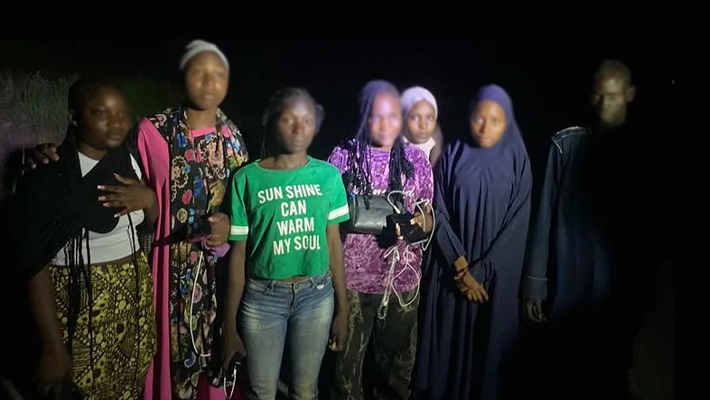
Kidnapping: Six female students rescued from bandits in Katsina, says military
The students were rescued along the Daye-Malufashi road in Danmusa council area after troops responded to a kidnapping incident at about 10:48 p.m. on Monday.

Agriculture
Ogun: Urgent response advised amid African swine fever outbreak
Eustace Iyayi, special assistant to the livestock development minister, Idi Maiha, called for an emergency response to the African swine fever outbreak in Ogun.
Economy
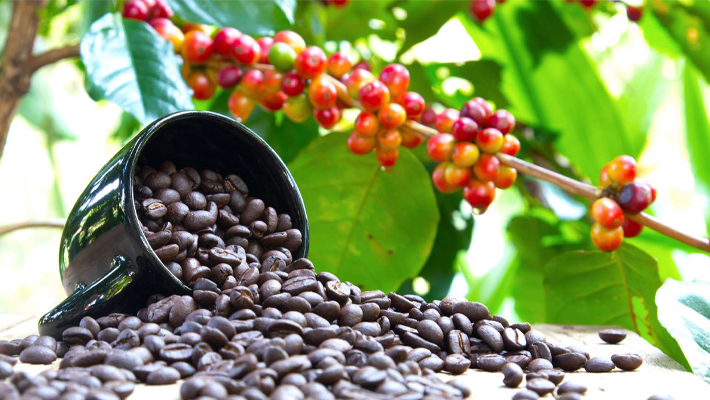
Ethiopia seeks world’s largest producer of arabica coffee status
Ethiopia is modernising its coffee industry to become the world’s largest producer of arabica coffee.
World
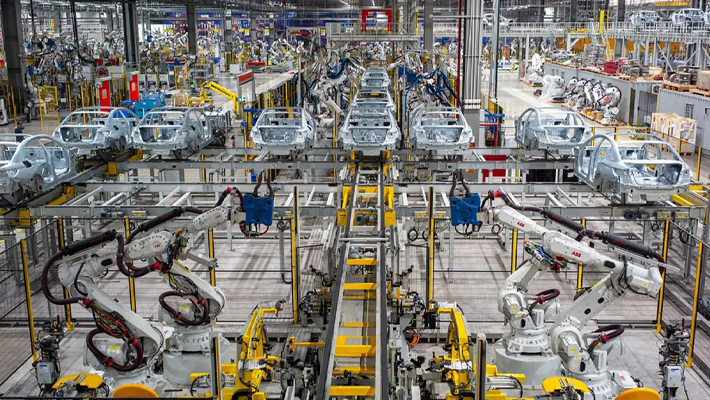
Vietnam now Southeast Asia’s largest electric-car market with 40% share
Vietnam became Southeast Asia’s largest electric-car market in 2025, with electric vehicles accounting for nearly 40 per cent of new-car sales, according to the IEA.
Anti-Corruption
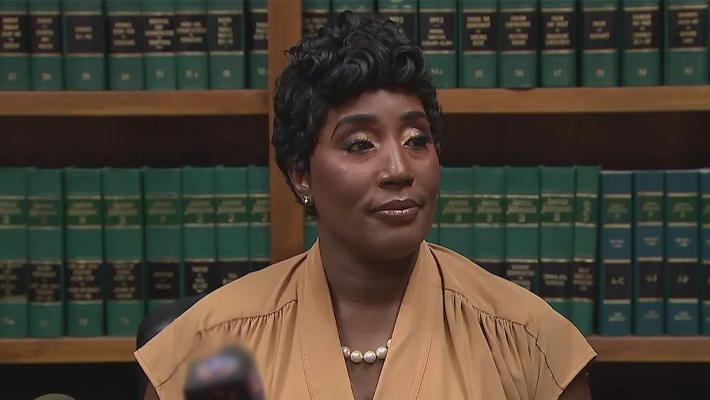
Charlotte City councilwoman Tiawana Brown, two daughters sentenced for COVID-19 loan fraud
Ms Brown will spend 10 months in prison and two years of supervised release, while her daughters, Tijema Brown, 32, and Antionette Rouse, 34, were also sentenced.

Africa
Ghana: Mahama urges developing countries against dependency on foreign health aid
Mr Mahama stated this while launching the ‘Sovereign Future’ report, which aims to reshape global health governance and foster self-reliance across the Global South.


