

Governments, partners pledged $715 million for reproductive health at UNGA81: UNFPA

Governments and philanthropic partners have pledged more than $715 million to expand access to lifesaving reproductive health infrastructure, services and supplies, the United Nations Population Fund (UNFPA) says.
UNFPA said the commitments were announced at a high-level event held on the sidelines of the 81st Session of the United Nations General Assembly (UNGA81) in New York.
UNFPA, FP2030 and the Gates Foundation co-hosted the event, in partnership with the governments of Madagascar, Mozambique, Norway, Spain and Zimbabwe.
The UN sexual and reproductive health agency said the pledges came at a time when declines in international funding had put access to essential reproductive health services at risk.
“Today’s commitments send a powerful message: investing in women and girls is the foundation for a prosperous and equitable future.
“Enabling their rights and choices is one of the smartest investments in development.
“Longstanding partners are standing firm, new ones are stepping up, and together we are changing lives,” UNFPA Executive Director Diene Keita said.
UNFPA said the new multi-year financing for family planning and maternal health would inject fresh momentum into the reproductive health sector.
It said governments in the 54 low- and middle-income countries participating in the UNFPA Supplies Partnership were increasing domestic funding to prevent unintended pregnancies and reduce maternal and newborn complications and deaths.
The UNFPA Supplies Partnership is the agency’s flagship programme for ensuring reliable access to contraceptives and maternal health medicines.
The United Kingdom announced £254 million ($337.8 million) in funding, including £204 million for the UNFPA Supplies Partnership and £50 million for other partners working to expand access to reproductive health services and supplies.
UNFPA described the funding as the largest single government investment in reproductive health supplies worldwide in 2026.
It said the UK contribution could enable more than 15 million women annually to access voluntary family planning and help prevent 14 million unintended pregnancies and more than 35,000 maternal deaths by 2028.
The agency said private and philanthropic funders were also joining traditional government donors.
GiveWell, an independent non-profit research organisation, announced a $10 million grant to the UNFPA Supplies Partnership, its first investment in UNFPA and its largest investment in family planning.
According to GiveWell’s modelling, the grant is expected to achieve about 19 times more impact than providing cash directly to people.
The European Investment Bank also provided a grant of €200 million ($232 million).
UNFPA said participating low- and middle-income countries were increasing their own investments in reproductive health.
It said Burundi, Madagascar, Mozambique and Zimbabwe announced combined commitments of more than $292 million from their domestic resources for health infrastructure, services and supplies.
According to the agency, government spending on contraceptives and maternal health supplies across the 54 participating countries increased more than sixfold between 2020 and 2025, reaching a record $68 million in 2025.
The partnership will match eligible commitments dollar-for-dollar through its Match Fund, up to a predetermined amount, to help countries stretch their resources and expand access.
UNFPA said it is the world’s largest provider of donated contraceptives to low- and middle-income countries, helping ensure family planning supplies reach those who need them most.
It said longstanding donor governments, including Denmark and Norway, had also announced new and multi-year support for the partnership.
According to UNFPA, the commitments built on efforts by the agency and its partners to mobilise new financing while encouraging low- and middle-income countries to increase domestic investment in reproductive health.
It said the combined efforts would help sustain access to lifesaving contraceptives and maternal health supplies while strengthening country-led financing and health systems.
Elsebeth Søndergaard Krone, State Secretary for Development Policy, Denmark, said lack of access to safe and affordable reproductive health commodities remained a major barrier to health equity globally.
“It has a negative impact on women’s right to decide over their own bodies. This is why UNFPA’s core mandate – to promote sexual and reproductive health and rights — continues to be not only relevant but increasingly essential,” she said.
Kirsty McNeill, Minister for Development, United Kingdom, said women and girls should have the fundamental right to make informed choices about their bodies, free from coercion, discrimination and violence.
“Every woman and girl should be able to make decisions about her own future. That choice can mean staying in school, finding work or surviving childbirth.
“The funding I have announced today will help give millions more women and girls across the world autonomy over their bodies, control over their futures, and the chance to fulfil their full potential,” Ms McNeill said.
(NAN)

We have recently deactivated our website's comment provider in favour of other channels of distribution and commentary. We encourage you to join the conversation on our stories via our Facebook, Twitter and other social media pages.

More from Peoples Gazette

Agriculture
FG tasks ECOWAS on leveraging financing strategies for agroecology
The federal government has urged stakeholders in the agriculture and finance sectors in the West Africa region to leverage financing strategies to enhance agroecology practices

Politics
Katsina youths pledge to deliver over 2 million votes to Atiku
“Katsina State is Atiku’s political base because it is his second home.”
Anti-Corruption
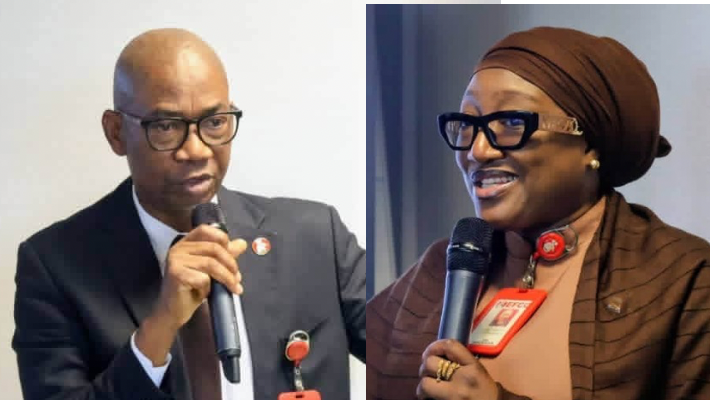
Shun cybercrime, join fight against corruption, EFCC tells Nigerian students
The EFCC urged students of tertiary institutions across the country to shun cybercrime.

Heading 4
Insecurity: Canada warns citizens, residents against non-essential travel to Nigeria
“Avoid non-essential travel to Nigeria, including in Abuja, due to the unpredictable security situation throughout the country,” the advisory stated.
Heading 2
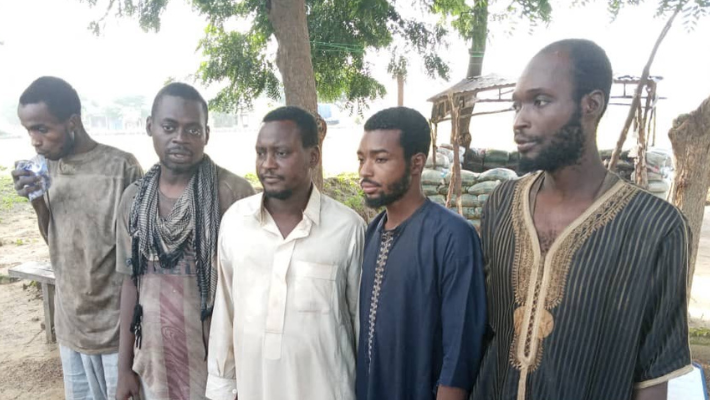
Abducted Zamfara LG chairman, four others escape from bandits’ den
The council chairman was abducted from his residence in Bungudu town in July 2026.
States
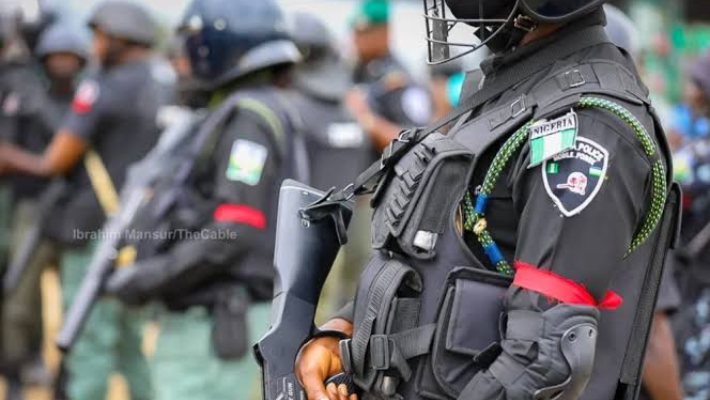
Security agencies assure Enugu residents of peaceful, hitch-free LG Poll
The Commissioner of Police in Enugu State, Mamman Giwa, said security agencies had put in place firm, robust strategies to ensure a peaceful council election.

World
China, Nigeria seek stronger ties through cultural exchange
Nigeria and China reaffirmed their commitment to using cultural exchanges to deepen bilateral relations.
States
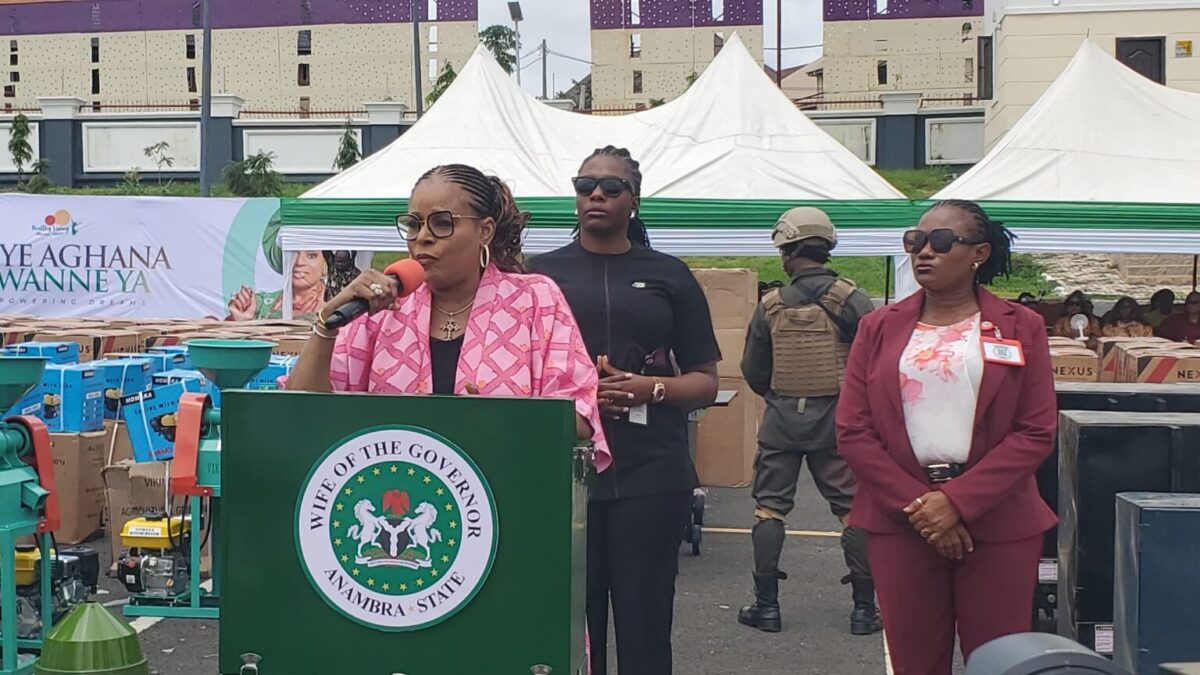
Gov Soludo’s wife empowers Anambra residents with tools to boost household income
Nonye Soludo, Anambra State governor’s wife, empowered 5,000 residents with equipment to improve their livelihoods


