

Four in five eligible cancer patients lack biomarker testing: Lancet Commission

About four in five cancer patients globally who require biomarker testing do not receive the testing needed to guide their diagnosis or treatment, a new Lancet Oncology Commission publication has found.
The publication, unveiled on Friday at the World Cancer Congress in Hong Kong, estimates that between seven million and eight million cancer patients worldwide require established standard-of-care molecular testing annually.
The publication, titled “Accelerating Equitable Cancer Genomics and Precision Oncology in Health Care and Research”, brings together more than 50 commissioners from 21 countries and 48 partners across multiple disciplines.
Biomarker testing is a laboratory test that examines cancer cells or a patient’s biological material for specific genes, proteins or other molecular features that can help guide diagnosis and treatment choices.
Mark Lawler, co-chair of the commission, said in a podcast accompanying the report’s publication that the commission’s research showed most health systems globally could not effectively deliver high-quality cancer care involving molecular testing and precision oncology.
“Four out of five? We couldn’t believe it when we saw that data coming out of our work.
“Just not acceptable. Precision oncology must be for all cancer patients, not just for the privileged few,” Mr Lawler said.
He said life-changing molecular testing and precision oncology treatments were largely available in the wealthiest countries, while access remained challenging even in some high-income settings.
Mr Lawler said the research and data ecosystems supporting precision oncology were also “deeply unequal, fragmented, and insufficiently representative”.
He said genomic research, biomarker-driven clinical trials and health data remained disproportionately concentrated in high-income countries and Western populations.
“Precision oncology must be for all cancer patients, not just for the privileged few,” he said.
Mr Lawler said the commission’s findings underscored the need to move from scientific breakthroughs to implementation.
“We’re very good at breakthrough, but now we need to be equally good at follow-through,” he said.
According to the report, the commission also involved people with lived experience of cancer from the outset.
Mr Lawler noted that their perspectives formed the “bedrock” of the work, adding that patients raised critical questions about whether precision oncology would improve care and outcomes without imposing financial or other burdens on patients and families.
Raffaella Casolino, co-chair of the commission, said its focus was not simply on developing more technologies or drugs but on ensuring that precision oncology delivered meaningful and equitable benefits in practice.
She identified access to molecular testing and treatments already known to work, stronger evidence on clinical utility and value, and investment in infrastructure and workforce as key priorities.
“We need to build the infrastructure around precision oncology, the workforce, laboratories, clinical pathways and data systems,” Ms Casolino said.
She also said precision oncology should be made more inclusive, relevant to diverse populations and more closely connected to the realities of cancer care.
She said the commission also identified the need for stronger evidence on the value and clinical usefulness of emerging precision oncology approaches across different populations and health systems.
The commission further examined the research and data ecosystem underpinning precision oncology, including the representation of populations in genomic research and biomarker-driven clinical trials.
Ms Casolino said the work involved regional perspectives covering North America, Central America and Latin America, Africa, Europe, South-East Asia and the Western Pacific.
She said this was intended to ensure that the global discussion reflected the realities and priorities of different regions.
Ms Casolino said the resolution created an opportunity to move from fragmented precision medicine initiatives toward a more coherent global approach.
She said the commission’s frameworks on value, health-system readiness, workforce, monitoring and evaluation, and responsible data use could help translate the resolution into action.
On emerging technologies, Ms Casolino said genomics, artificial intelligence and big data could improve cancer outcomes and make care more efficient and sustainable.
She warned, however, that precision oncology could also become too complex and expensive to implement widely, leaving it concentrated in specialised centres.
“Our data suggests that we are currently closer to that second trajectory, so we need to change course now,” she said.
The World Cancer Congress, organised by the Union for International Cancer Control (UICC), is holding its 2026 edition in Hong Kong from Thursday to Saturday.
(NAN)

We have recently deactivated our website's comment provider in favour of other channels of distribution and commentary. We encourage you to join the conversation on our stories via our Facebook, Twitter and other social media pages.

More from Peoples Gazette

Agriculture
FG tasks ECOWAS on leveraging financing strategies for agroecology
The federal government has urged stakeholders in the agriculture and finance sectors in the West Africa region to leverage financing strategies to enhance agroecology practices

Politics
Katsina youths pledge to deliver over 2 million votes to Atiku
“Katsina State is Atiku’s political base because it is his second home.”

World
Germany, Hungary agree to deepen defence cooperation
Mr Pistorius said closer defence cooperation between the two countries would strengthen their respective capabilities.

States
NAFDAC mops up sachet alcohol, drinks below 200ml in Edo
The exercise was carried out on Friday in Benin.

Sport
NWF trains wrestlers in exercise physiology ahead of 2026 Senior World Wrestling Championships
The 2026 Senior World Wrestling Championships will take place from October 24 to November 1 at the Barys Arena in Astana, Kazakhstan.

NationWide
Subsidy return won’t help Nigeria; higher fuel prices made citizens more reasonable: Gov Otti
Mr Otti’s statement comes amid debate over fuel subsidy restoration sparked by former Vice President Atiku Abubakar.

States
Ogun police arrest man over alleged killing of neighbour who hugged, played with his three-year-old child
The command’s spokesman, Oluseyi Babaseyi, said the suspect had been transferred to the State Criminal Investigation Department (CID), Abeokuta, for further investigation.
Africa
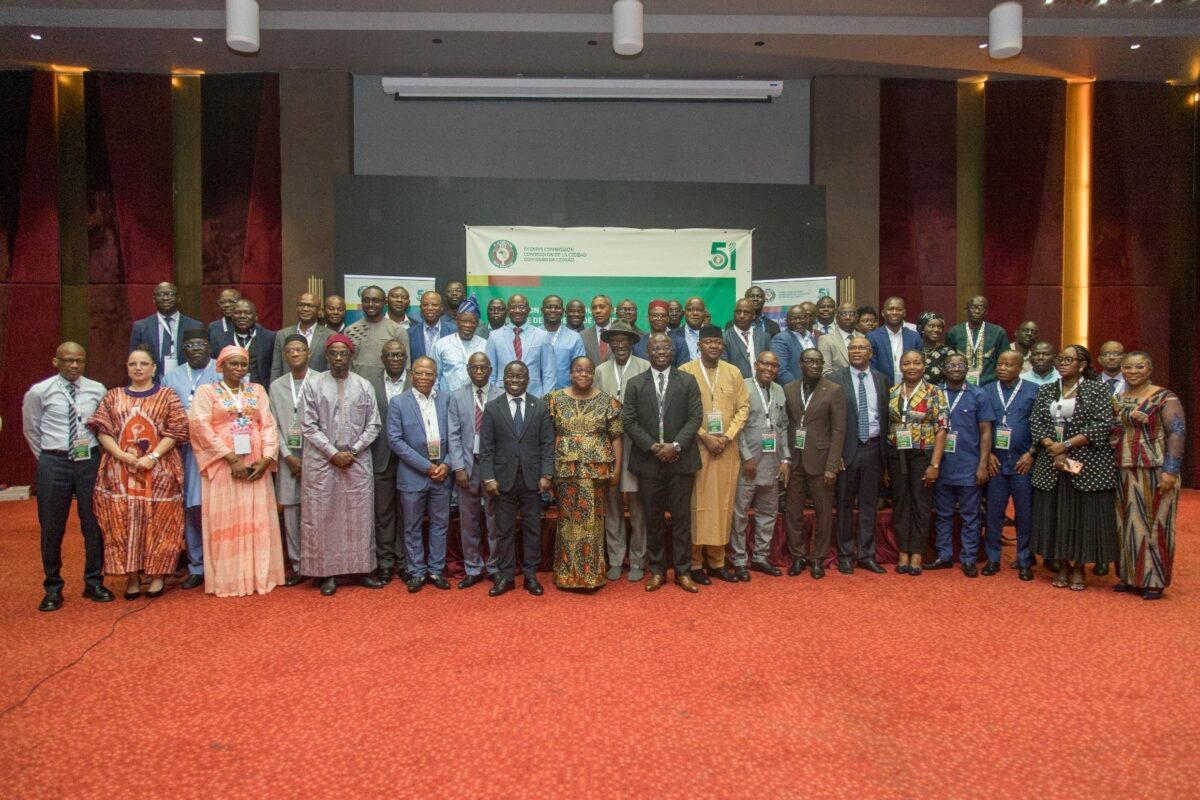
West African ministers adopt new water governance resolutions
ECOWAS ministers have reaffirmed their commitment to strengthen regional water governance.


