

China, U.S. announce tariff cuts on $60 billion worth of goods

China and the United States have reached an agreement to cut tariffs imposed on $60 billion worth of goods imported from each other.
The cuts are expected to affect several products, ranging from U.S. corn and cosmetics to Chinese household appliances and toys, among others.
In a statement on Sunday, U.S. Trade Representative Jamieson Greer said both countries also recommended $30 billion worth of trade in non-sensitive goods for more favourable tariff treatment under the U.S.-China Board of Trade.
Mr Greer noted that the agreement was meant to unlock improved market access for about 30% of U.S. exports to China.
The agreement was reached at the second summit between Chinese President Xi Jinping and President Donald Trump, hosted in Washington last week.
“The United States and China will consider the following list of U.S. products for import into China and list of Chinese products for import into the United States with a view toward providing reduced tariff treatment to those goods in a reciprocal manner, consistent with their respective domestic laws and processes,” the White House said in a statement on Sunday.
The list showed that China planned to trim duties on a variety of U.S. agricultural goods, including corn, wheat, sorghum, meat, dairy, vegetable oils and meals. It did not include soybeans.
The country also planned to reduce levies on American fish and seafood, logs and wood products, cosmetics and medical devices.
Another list also indicated Washington’s reciprocal tariff cuts for Chinese small appliances, including coffee makers and toasters, tableware, blankets and bed linens, among others.
On Monday, China’s commerce ministry noted that a two-month extension of a trade truce with the U.S. through to January 10 would make it possible for both countries to assess the ongoing arrangement aimed at resolving economic and trade issues, while considering how to advance on those fronts.
According to the ministry, the extension also provides a “relatively stable and predictable policy environment” for cooperation among companies and continued active discussions.
It added that both sides would hold regular talks on potential investment opportunities and barriers, enhance policy transparency and predictability, and respond to enterprises’ concerns.
The latest reciprocal tariff cuts announced by the two countries suggest a temporary de-escalation of their trade war.

We have recently deactivated our website's comment provider in favour of other channels of distribution and commentary. We encourage you to join the conversation on our stories via our Facebook, Twitter and other social media pages.

More from Peoples Gazette

States
Independence: NBA urges Nigerians to expect better future
The NBA said that ordinary Nigerians should be deriving benefit from the subsidy removal rather than hardship.

Agriculture
FG tasks ECOWAS on leveraging financing strategies for agroecology
The federal government has urged stakeholders in the agriculture and finance sectors in the West Africa region to leverage financing strategies to enhance agroecology practices

Politics
Katsina youths pledge to deliver over 2 million votes to Atiku
“Katsina State is Atiku’s political base because it is his second home.”

Hot news Home top
WHO hails Nigeria as 62 contacts test negative for Ebola after 21-day isolation
Mr Ghebreyesus said Nigeria had entered the second half of the mandatory 42-day countdown.
Diaspora
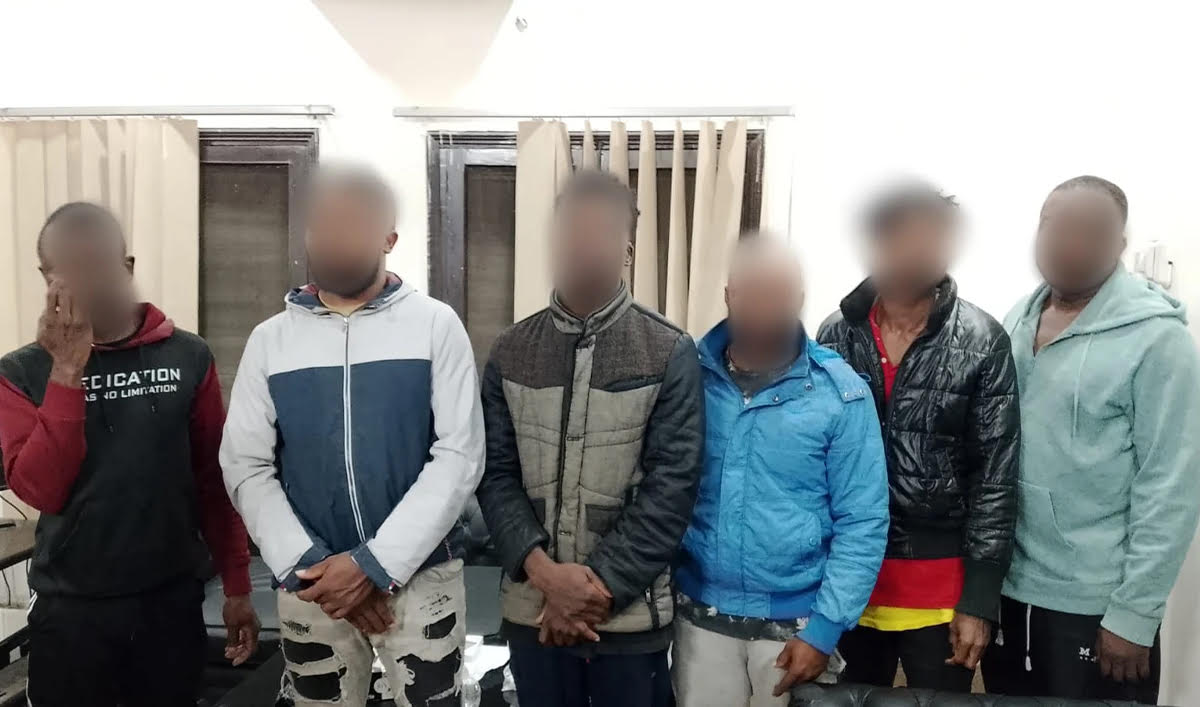
20 Nigerians arrested in Pakistan over alleged drug trafficking
According to the ANF, the arrests followed a series of intelligence-gathering operations targeting drug dealers in the country.
Heading 3
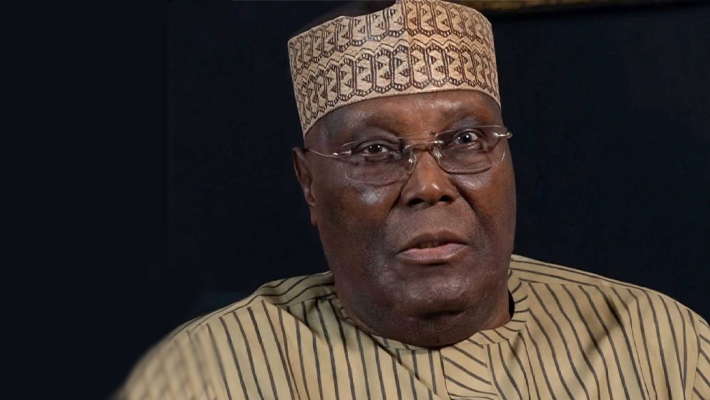
Living in Nigeria under Tinubu unbearable; cooking gas unaffordable: Atiku
Mr Abubakar said he was in Bauchi to continue preaching his affordable life campaign.

Politics
2027: Osun APC stages campaign walk for Tinubu’s re-election
Mr Oyebamiji said the APC was targeting 1.7 million votes for the president in Osun.

States
Gov Bago directs provision, repair of transformers across Chanchaga communities
The chairman said Mr Bago was concerned about the impact of prolonged power outages on households and businesses.

World
COP31 must turn climate-finance promises into actual funding, says UN chief
Mr Stiell said many developing countries remained trapped in a cycle of debt, climate disasters and high borrowing costs.


