

El Niño: What Nigerians need to know, safety measures they should take
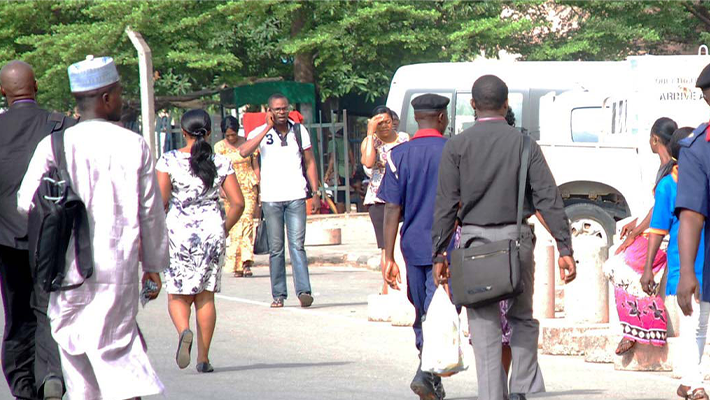
As temperatures rise and weather patterns become less predictable, Nigerians may face extreme heat, water insecurity, and food supply disruptions as El Niño rages.
El Niño, a climate condition characterised by unusually warm sea surface temperatures in the central and eastern Pacific Ocean, occurs when easterly trade winds weaken. The name, meaning “the Christ Child,” came from fishermen and sailors who observed the warm current around Christmas and linked it to reduced fish catches.
In September, the World Meteorological Organisation (WMO) predicted a nearly 100 per cent likelihood that El Niño would persist through September 2026 to February 2027. The monthly Global Seasonal Climate Update, issued on October 21, indicated that El Niño was likely to strengthen further between November and January, with conditions expected to peak around December.
El Niño affects different parts of the world, bringing increased rainfall in some regions and drought in others. In Nigeria, changes to rainfall patterns and extreme temperatures are mostly noticeable.
The Nigerian Meteorological Agency (NiMet) warned that the climate phenomenon’s impact on temperatures might not be significant between August and October. However, it could affect rainfall patterns, particularly delaying rainfall cessation in northern Nigeria, including Yobe, Borno, Bauchi and Jigawa states, while drier-than-normal conditions are expected in parts of southern Nigeria, including Oyo, Ogun, Lagos, Osun, Ekiti and Delta states.
“Historical analogues of El Niño suggest heightened risks of reduced rainfall,
particularly in northern Nigeria and flooding risks in the south, with the potential to
lead to cascading impacts across multiple sectors,” NiMet said in its climate prediction update in August.
NiMet identified the agricultural, health, energy, and water sectors as among those most likely to be affected, warning of “widespread droughts, floods and erratic rainfall that threaten food production and lead to malnutrition.”
Babies, older people, and those living with high blood pressure or diabetes require special attention. Those most at risk of heat-related illnesses include transport workers, farmers, bricklayers, construction workers, labourers, and water vendors.
Health experts warned that extreme heat could cause heatstroke, dehydration, exhaustion, skin rashes, reduced productivity, and worsen cardiovascular, kidney, diabetic, and respiratory conditions. Changes in weather patterns may also affect the spread of malaria and typhoid.
A recent study by Climate Impact Lab at the University of Chicago, U.S., projected that extreme heat associated with El Niño could result in the death of 31,400 people in Nigeria between September and February 2027. The figure accounts for nearly half of the 66,800 deaths predicted in the Global South where the Sahel nations are located.
“The most impacted countries across the Sahel are forecasted to see an additional 66,800 heat deaths from September to February compared to a normal year, with nearly half of those lives being lost in Nigeria (31,400),” the report said.
As temperatures rise and weather conditions change, below are safety measures Nigerians can take to reduce heat-related risks and protect lives and livelihoods.
Manage heat exposure: Stay in the shade, avoid exposure to direct sunlight, plan outdoor activities in the cooler hours of the day and cover your head with a cap or hat; take an umbrella when going out if the sun is hot.
Drink water regularly: Ensure adequate water intake during the day (every 10-15 minutes); don’t wait until you are thirsty before drinking water. This helps to cool the body down; carry small water bottles around, especially for people working under the sun.
Check up and protect vulnerable groups: Regularly check up on babies, elderly people, and people with health issues. Also, ensure outdoor workers have access to ventilated areas and clean water.
Dress appropriately: Wear lightweight clothes, avoid black clothes, wear loose outfits to help keep body temperature normal, apply sunscreen before leaving the house, and try to cover up sensitive areas of the body.
Stay informed and prepared: Follow official weather forecast updates from NiMet, NEMA and reliable media channels and advisories to stay informed and updated on the weather report.
Pay attention to early signs of heat stroke: This includes heavy sweating, dizziness, and a headache. If this happens, move to a cooler place and sit down before rushing to the hospital.

We have recently deactivated our website's comment provider in favour of other channels of distribution and commentary. We encourage you to join the conversation on our stories via our Facebook, Twitter and other social media pages.

More from Peoples Gazette

States
Independence: NBA urges Nigerians to expect better future
The NBA said that ordinary Nigerians should be deriving benefit from the subsidy removal rather than hardship.

Agriculture
FG tasks ECOWAS on leveraging financing strategies for agroecology
The federal government has urged stakeholders in the agriculture and finance sectors in the West Africa region to leverage financing strategies to enhance agroecology practices

Politics
Katsina youths pledge to deliver over 2 million votes to Atiku
“Katsina State is Atiku’s political base because it is his second home.”
States
Kogi gov unveils inspection kits, tasks engineers on accountability
Mr Ododo urged engineers to provide technical advice to political office holders whenever they identify better approaches to project execution.

States
Gunmen kill seven people in Plateau
The group sympathised with the bereaved families and the Gyero community and wished the survivor a speedy recovery.
NationWide
Society urges political parties to prioritise water, sanitation in electioneering
Mr Attah said Nigeria’s commitment to ending open defecation by 2030 should remain a key advocacy priority.

States
Lagos assembly backs state police, seeks parliamentary police
Mr Obasa said the establishment of a state police has been a recurring issue from the fifth to the 10th assembly.

Health
Sanwo-Olu pledges to resolve Lagos doctors’ outstanding arrears, welfare issues
Mr Sanwo-Olu said the state government remained committed to working with the guild to address outstanding concerns.

Politics
Tinubu’s fresh $20.52 billion, €1.045 billion loans to be used to buy election: Atiku
Mr Abubakar said the burden was on Mr Tinubu to prove that the borrowing would serve the country, not his political interests.


