

Nine reasons Nigerian families prefer sons to daughters
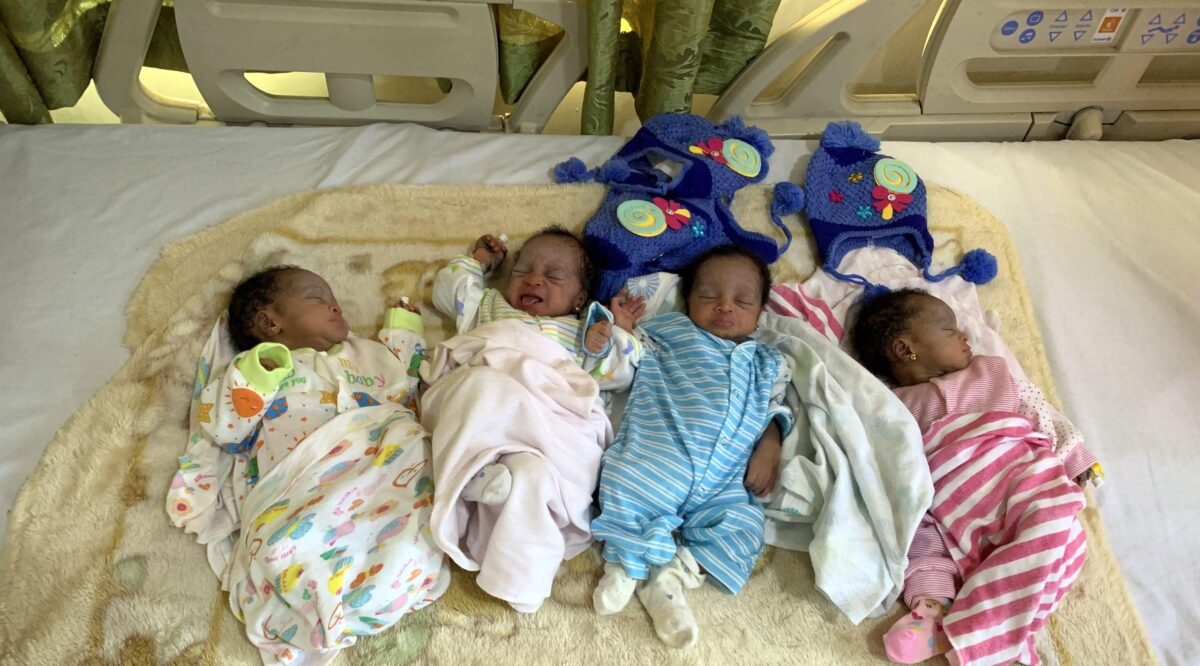
Son preference remains a feature of some Nigerian families, where cultural beliefs, patriarchal traditions and societal expectations place greater importance on male children than female children.
Nigeria’s predominantly patriarchal social structures have historically given men greater authority over family decisions, inheritance and the preservation of family lineage. Despite growing access to education and changing gender roles, these beliefs continue to influence attitudes towards having male children in some societies.
There are several reasons behind the preference for male children, but first, it is important to understand the concept of son preference.
1. What does the concept of son preference entail?
Son preference simply refers to the practice of placing greater value or importance on male children than female children. This may occur when a male child, irrespective of age, is granted greater authority or privileges than a female child, whether older or younger.
2. Why is son preference a thing in Nigeria?
There are several factors that account for son preference, including patriarchy, family lineage, inheritance and societal pressure, among others. However, son preference in Nigeria is largely rooted in patriarchal traditions that place greater value on male children. In some communities, sons are expected to carry on the family name, inherit property and sustain the family lineage. Societal pressure also plays a significant role in placing greater importance on male children.
3. Does this suggest that female children are considered less valuable in many Nigerian families?
Not necessarily in every family, but son preference can reflect a belief that male children have greater social, cultural or economic value than female children. Some individuals believe that daughters are considered secondary because they are expected to marry into other families, while sons are seen as those who preserve the family name. Consequently, female children may be regarded as less desirable than male children.
4. Does son preference suggest that parents do not love or value their female children?
Not necessarily. Son preference does not always translate into a lack of love for female children. Some parents love and cherish their daughters but still desire a male child because of deeply ingrained traditions. However, in families where patriarchal beliefs are strongly upheld, female children may experience unequal treatment.
5. Why does inheritance play a significant role in son preference in Nigeria?
In some Nigerian communities, inheritance is traditionally traced through the paternal lineage. This is deeply rooted in the belief that daughters will eventually marry into other families, potentially transferring the benefits of inherited property to their husbands’ families. In certain communities, the absence of a male heir can lead to difficulties for widows and daughters, as family property may be passed to the deceased man’s male relatives rather than his immediate female family members.
6. Does the perception of male children as better decision-makers influence son preference in Nigeria?
Traditionally, men are associated with authority, power and leadership. They are often perceived as being more emotionally, physically and mentally equipped to handle major responsibilities and make important family decisions. This perception reinforces the belief that male children are better suited to assume family leadership, preserve family inheritance and sustain the family lineage.
7. What are the consequences of son preference in Nigerian families?
Son preference can have several consequences within Nigerian families. Female children may develop low self-esteem when they are constantly made to feel less valued than their male siblings. On the other hand, boys who are raised with a sense of superiority may develop entitlement and grow up treating women as inferior. Furthermore, unequal treatment and competition for parental recognition can create resentment among siblings, leading to division and disunity within families.
8. How are changing societal values and gender roles challenging son preference in Nigeria?
Technology, globalisation, increased access to education and exposure to different perspectives are gradually challenging traditional beliefs about gender roles. For example, more parents are beginning to realise that responsibilities such as cooking are basic life skills rather than gender-based roles. Parents are also recognising that providing for the family and caring for ageing parents are not responsibilities exclusive to either gender.
9. Can parents challenge traditional beliefs surrounding son preference?
Parents can challenge traditional beliefs surrounding son preference by recognising that the value of a child is not determined by gender. Parents also need to accept that female children are equally valuable and that their gender does not make them any less capable of contributing to the family or society. Women have continued to demonstrate their abilities in different fields, challenging the belief that certain responsibilities and achievements are exclusive to men.
Ultimately, a child’s worth should be determined by who they are, not whether they are male or female.

We have recently deactivated our website's comment provider in favour of other channels of distribution and commentary. We encourage you to join the conversation on our stories via our Facebook, Twitter and other social media pages.

More from Peoples Gazette

States
Independence: NBA urges Nigerians to expect better future
The NBA said that ordinary Nigerians should be deriving benefit from the subsidy removal rather than hardship.

Agriculture
FG tasks ECOWAS on leveraging financing strategies for agroecology
The federal government has urged stakeholders in the agriculture and finance sectors in the West Africa region to leverage financing strategies to enhance agroecology practices

Politics
Katsina youths pledge to deliver over 2 million votes to Atiku
“Katsina State is Atiku’s political base because it is his second home.”

Economy
Trump removes South Africa from AGOA citing corruption, national security concerns
The suspension would take effect on January 1, 2027, further complicating already strained relations between Washington and South Africa.

World
Over 500,000 Nigerian migrants, others to wait 10 years for UK settlement
Migrants who arrived by clandestine means of entry will face an additional 10-year waiting period—meaning they could wait up to 30 years for settlement.

Heading 2
FULL LIST: Messi, Ronaldo make FIFPRO World XI shortlist again
Both players are nearing their 1000th career goal. While Ronaldo has scored 985, Messi has 937.

Politics
Economy: Tinubu’s second term will be time for Nigerians to harvest, says Shettima
“We have rescued the economy, and the road ahead is one of harvest. This second term is one of harvest for you and all Nigerians,” said the vice-president.

Heading 4
Trump orders strikes on Iran ahead of U.S. midterm elections
The United States military carried out strikes on Iran’s Qeshm Island in the Strait of Hormuz.

NationWide
DICON-D7G targets 7,000 jobs, local production of tanks, drones
DICON-D7G says it is targeting 7,000 jobs, foreign investment and expanded local production of military hardware to boost Nigeria’s defence industrial capacity.


