
A practical look at online casinos in the United States

Online casinos have moved from the margins to the mainstream in the United States, helped by changing laws, new technology and shifting social attitudes. For readers in Nigeria and across Africa, the American experience offers a useful case study of how governments, regulators and companies try to manage a fast-growing form of entertainment while still protecting the public interest.
How Online Casino Rules Took Shape
When the first casino sites appeared in the 1990s, United States law had not yet caught up with the new reality of people staking money through their computers and phones. At the federal level, long-standing rules were mainly written for traditional bookmakers and lotteries, not for interactive games that could be played from a living room anywhere in the country.
For many years, this left a grey area in which offshore companies accepted players from various American states without clear oversight from local authorities. Payment processors, banks and internet service providers found themselves caught between older federal rules and new commercial opportunities, while state governments worried about losing tax income and control over a growing entertainment sector.
The turning point came when a number of states began to see internet casinos as something they could license, tax, and monitor rather than simply push out of sight. These states argued that people were already playing online and that a transparent framework was better than pretending the activity did not exist. Their decision opened the way for formal licensing systems, background checks on operators and clearer standards for game testing and fairness.
Over time, a patchwork has developed. Some states have created full regulatory regimes for online casinos, others have allowed only sports staking or poker, and many have chosen not to permit any internet casino activity at all. This state-by-state approach is very familiar to Nigerian observers who watch how federal and state powers are negotiated in other policy areas such as taxation, education and policing.
Recognising Regulated Platforms Online
With different rules across the country, the first practical question for any United States player is whether a site is operating under a state licence. Specialist portals such as heguardian.com show how readers increasingly rely on information hubs to compare platforms, follow industry news, and understand how various offers are described before deciding where to spend time online.
Regulated casino sites in the United States usually display the logo of the state authority that supervises them, often at the bottom of the home page. These authorities might be state gaming commissions, lottery corporations or broader entertainment boards. Their seals indicate that the site has undergone checks on ownership, game providers, and security procedures. Players are also typically required to confirm their age and location so only people in states that allow online casinos can access the site.
Another key sign of a structured environment is the availability of information on game rules, payout structures, and complaint-raising methods. Licensed operators are generally required to publish terms and conditions in clear language, explain how account balances are held and provide channels for disputes to be reviewed by the regulator if necessary. This kind of transparency is central to building trust, especially when money moves between personal bank accounts and casino platforms through cards, transfers, and other electronic methods.
In the more recent phase of the American story, the legal position has become clearer, even if it remains complex. Online casinos are lawful only within states that have chosen to pass their own enabling laws and licensing rules. Federal authorities still oversee financial transactions and cross-border communications, but they leave decisions on whether to allow or forbid internet casino games largely to individual states. Offshore sites that accept United States players without state approval are not treated as part of this regulated system and can face enforcement measures.
For Nigerian regulators and lawmakers, the lesson is not to copy any one model, but to observe how United States states document their rules, how they cooperate with payment providers and how they use licensing to make operators answerable. It also shows how difficult it can be to manage an activity that crosses borders in an era when entertainment is accessed through phones and laptops rather than land-based venues alone.
Practical Checks And Global Lessons
Beyond the legal map, informed players in the United States need to consider everyday questions before engaging with an online casino. One is how games are tested. Regulated sites usually work with independent laboratories that examine the software behind slots and table games to confirm that outcomes are random within set parameters. Regulators often require regular auditing and may publish lists of approved game suppliers.
Payment options are another area where experience counts. People who use United States casino sites tend to look for methods that fit their normal banking habits, whether that means standard cards, online transfers or other common services. Fees, processing times and withdrawal procedures can differ widely. Careful readers take time to understand how long payouts might take, what documents might be required to verify identity and whether any currency conversion or transaction charges could apply.
Clear account management information is just as important. Well-structured platforms let users view their transaction history, adjust spending limits if they want, and close accounts through accessible menus rather than obscure email chains. While editorial rules mean this article does not encourage or discourage gambling itself, many experienced players treat online casinos as entertainment rather than a financial plan and set personal budgets accordingly.
The American framework also offers lessons for media and information ecosystems. Sites such as heguardian.com illustrate how specialised portals shape conversations about casino products, promotions and user experience long before mainstream newspapers or television stations take notice. For readers in Nigeria, where online entertainment and staking are growing rapidly, these information hubs can influence consumer expectations about clarity, fairness and service standards across the wider internet economy.
In the end, a practical guide to online casinos in the United States is really a guide to how law, technology, finance and everyday habits intersect. The details will keep changing as more states review their positions, payment systems evolve, and new types of games appear. What is unlikely to change is the need for clear rules, informed players and open discussion. For audiences following these debates from Lagos, Abuja or the diaspora, the United States experience provides a useful mirror for thinking about how their own societies might choose to manage the meeting point between leisure, money and the internet.

We have recently deactivated our website's comment provider in favour of other channels of distribution and commentary. We encourage you to join the conversation on our stories via our Facebook, Twitter and other social media pages.

More from Peoples Gazette

States
Independence: NBA urges Nigerians to expect better future
The NBA said that ordinary Nigerians should be deriving benefit from the subsidy removal rather than hardship.

Agriculture
FG tasks ECOWAS on leveraging financing strategies for agroecology
The federal government has urged stakeholders in the agriculture and finance sectors in the West Africa region to leverage financing strategies to enhance agroecology practices

Politics
Katsina youths pledge to deliver over 2 million votes to Atiku
“Katsina State is Atiku’s political base because it is his second home.”

States
Two men arrested for impersonating police, extorting traders in Borno
The command said both suspects confessed during interrogation that they were not serving police officers.
Economy
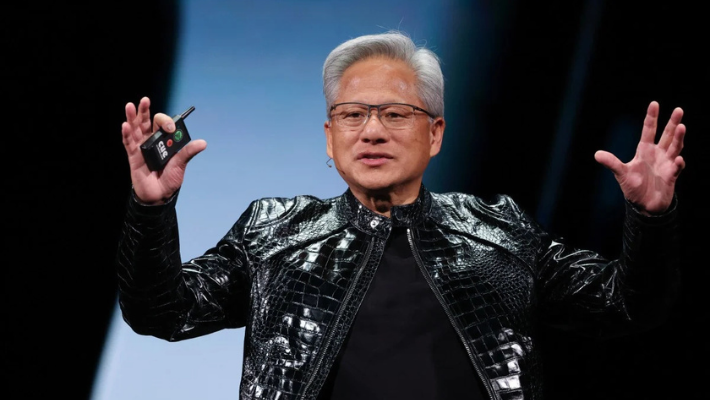
NVIDIA board reinstates Jensen Huang as president, CEO, board director
“I am honoured to return to NVIDIA and lead one of the most consequential technology companies in the world at the beginning of a new industrial revolution,” said Mr Huang.
Uncategorized
A practical look at online casinos in the United States
The turning point came when a number of states began to see internet casinos as something they could license, tax, and monitor rather than simply push out of sight.

Uncategorized
Slot Design Secrets: Why simple games like Starburst keep players coming back
Starburst has five reels and three rows, with expanding wild symbols and respins among its features.

Uncategorized
Why Bitcoin prices feel different in Africa
Bitcoin prices can look different in Nigeria because the naira exchange rate changes the local value. This article explains why the USD price is only part of the picture.
NationWide
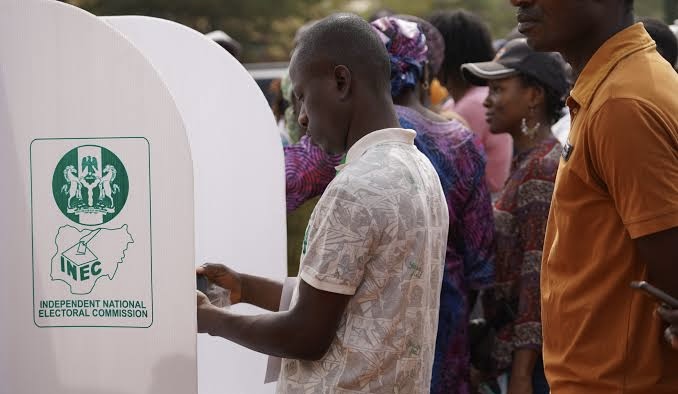
2027 Election: INEC selects 17,676 polling units for mock accreditation exercise
INEC said the exercise was designed to assess the performance of the accreditation system and identify potential technical challenges before elections.


