

One billion people are multidimensionally poor: UNDP
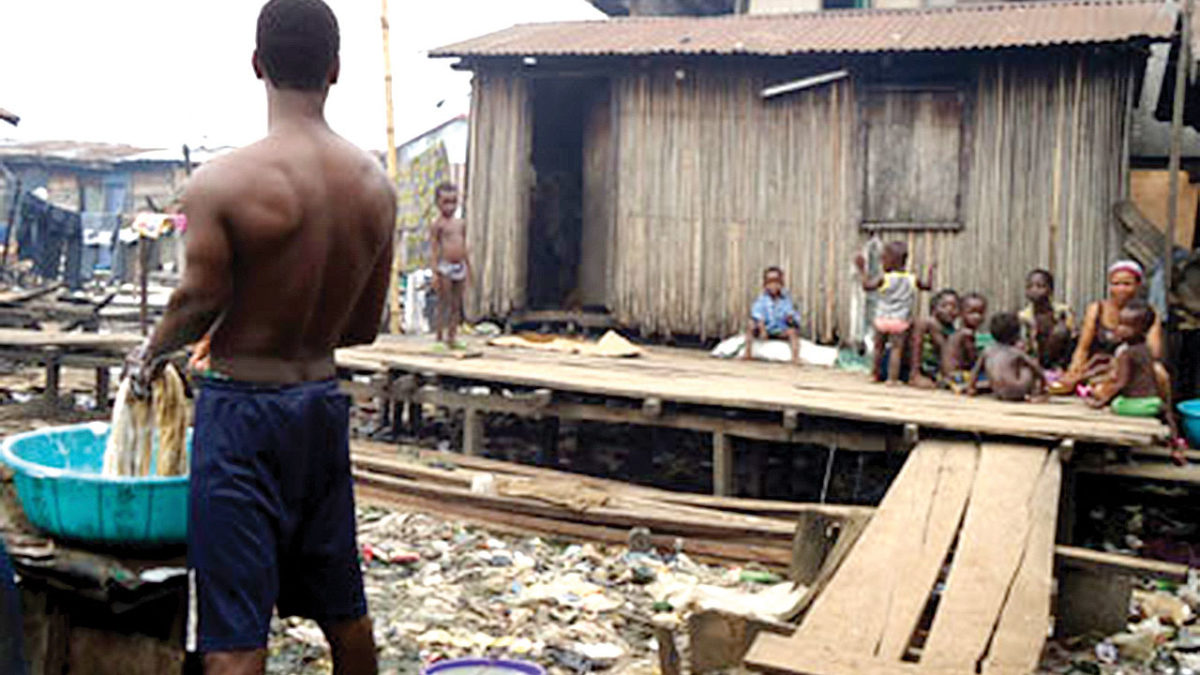
No fewer than 1.3 billion people are multidimensionally poor across 109 countries, while differences in multidimensional poverty among ethnic groups are consistently high, according to the global Multidimensional Poverty Index (MPI) released on Thursday.
MPI, produced by the UN Development Programme (UNDP) and the Oxford Poverty and Human Development Initiative, also found that in nine specific ethnic groups surveyed, more than 90 per cent of the population was trapped in poverty.
According to the report, across the 109 countries studied, 1.3 billion people are multidimensionally poor.
“About half of them, or 644 million, are children under age 18; and nearly 85 per cent live in Sub-Saharan Africa or South Asia. More than 67 per cent live in middle-income countries,” the report disclosed. “Living in multidimensional poverty can mean very different things.’’
The report further stated that around one billion people, for example, were exposed to health risks due to solid cooking fuels, another billion live with inadequate sanitation, and another billion have substandard housing.
It stated that around 788 million lived in a household with at least one undernourished person, and about 568 million lacked improved drinking water within a 30-minute roundtrip walk.
UNDP administrator Achim Steiner said, ”This is a reminder of the need for a complete picture of how people are being affected by poverty, who they are, and where they live.”
The report noted that even though multidimensional poverty remained high, some countries showed signs of progress, at least until the beginning of the pandemic.
“Of the 80 nations and five billion people for which there is data over time, 70 reduced their Multidimensional Poverty Index in at least one period. The fastest changes happened in Sierra Leone and Togo,” it noted.
The director of OPHI at the University of Oxford, Sabina Alkire, stressed the need to fix the structural inequalities that oppress and hinder progress.
(NAN)

We have recently deactivated our website's comment provider in favour of other channels of distribution and commentary. We encourage you to join the conversation on our stories via our Facebook, Twitter and other social media pages.

More from Peoples Gazette

States
Independence: NBA urges Nigerians to expect better future
The NBA said that ordinary Nigerians should be deriving benefit from the subsidy removal rather than hardship.

Agriculture
FG tasks ECOWAS on leveraging financing strategies for agroecology
The federal government has urged stakeholders in the agriculture and finance sectors in the West Africa region to leverage financing strategies to enhance agroecology practices

Politics
Katsina youths pledge to deliver over 2 million votes to Atiku
“Katsina State is Atiku’s political base because it is his second home.”

Heading 4
115 million Nigerians benefiting from Gavi’s solarisation of 371 health facilities
The organisation stated that solarisation provides clean, reliable and sustainable energy to health facilities.
Hot news Home top
Bala used to beg for transport fare to attend ADC meetings; after going to court, he bought three bulletproof SUVs: Nwosu
According to him, Mr Gombe’s lifestyle changed after the legal dispute began.

States
NYSC members in Oyo receive October allowance after payment delay
The NYSC had attributed the delay to a technical glitch.

Heading 5
Ogun: Yayi pledges 24-hour power supply, infrastructure projects in Abeokuta
The CDC chairman described Mr Adeola as an experienced politician with the capacity to lead the state.
Education
Indonesia’s VP considers resignation over education qualification scandal
Mr Gibran, 39, is the son of former Indonesian President Joko Widodo.

Lagos
Lagos targets additional 2,000MW electricity supply by March 2027
Mr Sanwo-Olu said reliable electricity remained fundamental to economic growth.


