

U.S., Japan, England, European central banks pumped $9 trillion to support economic recovery from COVID-19: Report

A new report has revealed that four major central banks expanded their Quantitative Easing programs by a total of $9 trillion to help their economy recover from shock triggered by the outbreak of COVID-19 pandemic.
In the report released on Wednesday, Finbold, a London-based analytics firm disclosed that the United States Federal Reserve, European Central Bank, Bank of Japan and Bank of England pumped a total of $9 trillion into the economy amid the pandemic.
“Between January 2020 and November 2021, four major central banks expanded their Quantitative Easing programs by a total of $9 trillion to support their economies,” Finbold said.
The organisation in its report detailed that the central banks resorted to injecting more money into their various economies to support smooth recovery from COVID-19 pandemic.
It explained that the four major central banks expanded their quantitative easing program to not only support their economies but also the global financial market.
According to the report, the United States Federal Reserve and the European Central Banks each pumped $3.4 trillion into their economy in the heat of the pandemic.
It disclosed that the Bank of Japan and Bank of England also pumped $1.6 trillion and $0.6 trillion respectively to keep the country’s economy going amid the shocking impact of COVID-19.
The outbreak of COVID-19 had plunged the global economy into a historical crisis characterised by collapsing stock market, rising inflation and increasing unemployment rate.
However, the cumulative balance sheets of the four major central banks released in the report showed that the amount pumped into the economy rose by over 60 per cent from $15.5 trillion in 2019 to $24.5 trillion in 2021.
The early part of the COVID-19 crisis ushered in countries across the globe into various economic challenges including increased unemployment, recession, inflation amongst others.
The economic challenges were stemmed from lockdown measures that restricted business activities in countries across the globe.

We have recently deactivated our website's comment provider in favour of other channels of distribution and commentary. We encourage you to join the conversation on our stories via our Facebook, Twitter and other social media pages.

More from Peoples Gazette

Agriculture
FG tasks ECOWAS on leveraging financing strategies for agroecology
The federal government has urged stakeholders in the agriculture and finance sectors in the West Africa region to leverage financing strategies to enhance agroecology practices

Politics
Katsina youths pledge to deliver over 2 million votes to Atiku
“Katsina State is Atiku’s political base because it is his second home.”
Politics
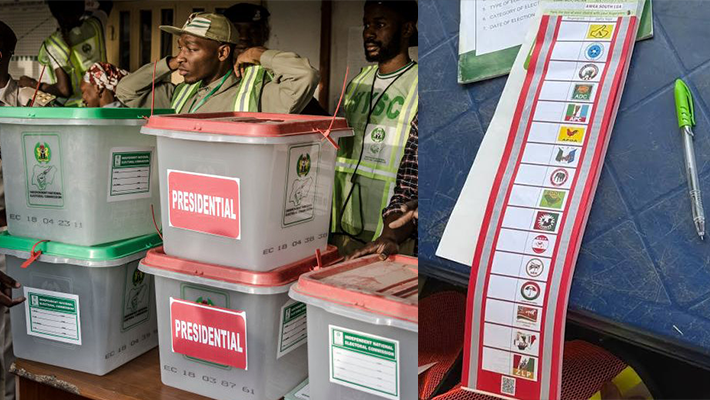
INEC fixes September 19 for by-elections in four states
The Independent National Electoral Commission has fixed September 19 for five by-elections in four states. The states are Gombe, Kano, Bauchi and Delta.

Uncategorized
Nigeria offers two savings bonds for subscription at N1,000 per unit
The Debt Management Office has announced two federal government savings bonds for subscription at N1,000 per unit.

Opinion
Mfon Ekpo: Olodo Uprising and the knowledge we fail to see
The Olodo Uprising challenges how we define and recognise intelligence when it appears in unfamiliar forms.

States
SSTA urges Sokoto, Katsina, Zamfara governors to protect mass transit against bandits
SSTA has appealed to the governors of Sokoto, Katsina, and Zamfara to join hands to protect inter-state transport vehicles from bandit attacks.
Anti-Corruption
INEC raises alarm over scammers demanding money for election results, employment
The Independent National Electoral Commission has cautioned the public against individuals circulating fake appointment and nomination letters they claim INEC issued.
Politics
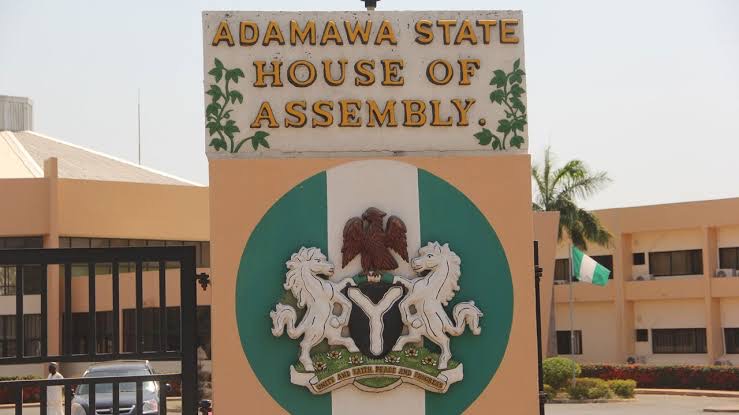
Adamawa assembly passes bill on gratuity, death benefits for emirs, chiefs
The Adamawa House of Assembly has passed a bill seeking to provide gratuity and death benefits for emirs and chiefs.


