


I’m tired working seven hours a day; can’t wait to leave office: Buhari
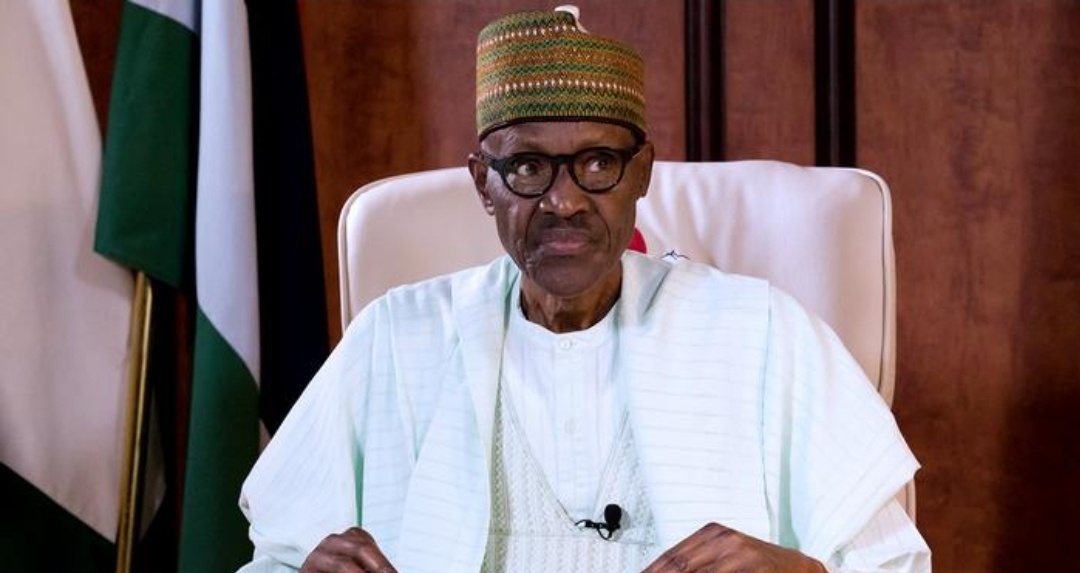
Working six or seven hours a day as president of Africa’s most populous nation is an insufferable job, says President Muhammadu Buhari, wishing he “will be less busy.”
Mr Buhari was born on December 17, 1942.
“The age is telling on me. Working now for six, seven to eight hours per day in the office is no joke. There are questions of (the) executive council; memos from as many states as possible to be considered virtually every week,” lamented the Nigerian president. “Really, it’s a lot of hard work.”
However, the 79-year-old added, “As I’ve said, I asked for it, and I cannot complain.”
He disclosed that on his wishlist is the need to indulge himself in lazing around.
Last year, Nobel laureate Wole Soyinka, northern leader Tanko Yakasai and London-based The Economist described Mr Buhari as lazy.
“About my age, I see my colleagues, they are now resting, and I assure you that I look forward to the next 17 months when I too will be less busy,” said Mr Buhari in an interview with the Nigerian Television Authority (NTA) aired on Thursday night.
“I have never supported and will never support Buhari. I know Buhari has no competence to rule the country,” Mr Yakasai asserted in an interview with Tribune. “I have never changed my mind about his lack of competence to lead the country.”
The nonagenarian insisted he had always opposed Mr Buhari’s regime “because I knew he could not solve our problems as a country.”
He added, “The capacity is not just there,” while stating that he “would join efforts to look for somebody, who can solve our problems.”
Since assuming office, Mr Buhari has spent over 200 days on foreign medical trips to the UK to treat an undisclosed ailment with taxpayers’ money.
In 2021, Mr Buhari and Vice Yemi Osinbajo budgeted N3.4 billion for their feeding and travels, while in 2022, over N500 million is budgeted for their feeding.
The president has been criticised for being inept and nepotistic since he assumed office in 2015.
Under his watch, Nigeria became the poverty capital of the world, with a record-high unemployment rate standing at 33.3 per cent as of the fourth quarter of 2020.

We have recently deactivated our website's comment provider in favour of other channels of distribution and commentary. We encourage you to join the conversation on our stories via our Facebook, Twitter and other social media pages.

More from Peoples Gazette

Agriculture
FG tasks ECOWAS on leveraging financing strategies for agroecology
The federal government has urged stakeholders in the agriculture and finance sectors in the West Africa region to leverage financing strategies to enhance agroecology practices

Politics
Katsina youths pledge to deliver over 2 million votes to Atiku
“Katsina State is Atiku’s political base because it is his second home.”

States
Centre seeks financial transparency in maritime sector
Mr Nweke said, “Financial transparency is not merely an accounting issue; it is an economic competitiveness issue.”

Africa
Interpol nabs 58 in crackdown on Black Axe, other organised crime groups in West Africa
In South Africa, it raided seven locations in Johannesburg linked to a syndicate that ran romance and investment scams targeting retirees in English-speaking countries.
Education
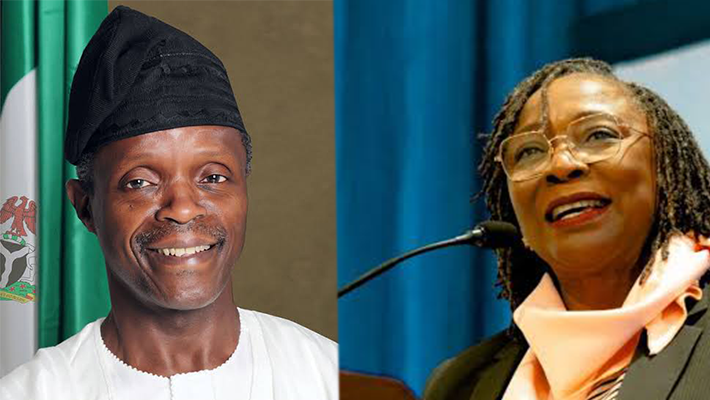
Distance learning now national necessity not alternative: Osinbajo
The former vice president commended UNILAG’s DLI for its pioneering role in distance learning.

Economy
U.S. hails Dangote Refinery as Nigeria’s petroleum exports surge seven times
The EIA stated that increased production from the refinery transformed Nigeria’s petroleum products market by reducing dependence on imports and boosting domestic supply.
States
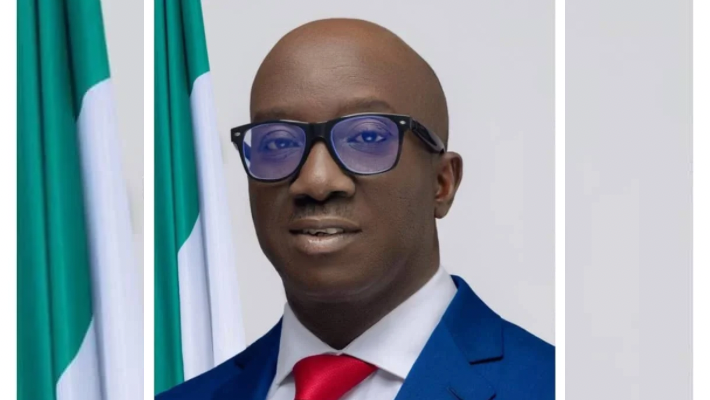
10 mental health patients treated in herbal healing homes ready for discharge, says Edo govt
Ms Abdallah said government-approved herbal healing homes provided rehabilitation and related support to persons with mental-health conditions and other vulnerable persons.
States
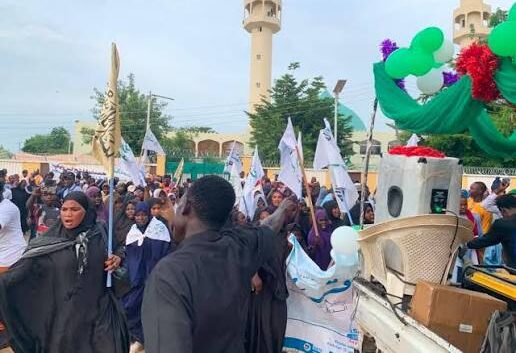
Maulud celebration in Maiduguri peaceful, say police
Mr Dalori described Maulud an-Nabi as one of the “biggest annual events for the Tijaniyya community.”


