

World Bank projects 2.5 percent growth for Nigeria in 2022
The World Bank has predicted that the economy of Nigeria will grow by 2.5 per cent in 2022.
In its flagship report for 2022 titled Global Economic prospect, the bank said the country’s economy is expected to rise to 2.8 per cent in 2023.
It projected Nigeria to benefit from an increase in oil price, a gradual easing of the Organization of the Petroleum Exporting Countries (OPEC) production cuts, and domestic regulatory reforms.
“In Nigeria, growth is projected to strengthen somewhat to 2.5 percent in 2022 and 2.8 percent in 2023,” the bank said.
“The oil sector should benefit from higher oil prices, a gradual easing of the Organization of the Petroleum Exporting Countries (OPEC) production cuts, and domestic regulatory reforms,” it added.
The bank suggested that activities in the non-oil economy “will remain curbed by high levels of violence and social unrest as well as the threat of fresh COVID-19 flare-ups with remaining mobility restrictions being lifted guardedly because of low vaccination rates.”
It further predicted that activities in the telecommunications and financial services sectors will wax strong.
The International Monetary Fund (IMF) in November predicted that the economy of Nigeria and other Sub-Sahara African nations will grow by 3.8 per cent in 2022.
Kristalina Georgieva, the Managing Director of IMF highlighted that the growth projection was in the wake of rising uncertainty around new COVID-19 variants and financial conditions.
In October, the fund suggested that the economic recovery of Nigeria and other sub-Saharan nations will be slowest, lagging behind developed nations.
The projection implies that the continent will suffer the slowest recovery in the world as advanced markets grow by more than five per cent, while other emerging markets and developing countries grow by more than six per cent.
Giving reason for the slow recovery, Abebe Aemro Selassie, director of the IMF’s African department, explained that the impact of the COVID-19 pandemic on the region’s economy is making a swift recovery difficult.
He also blamed slow vaccine rollout and stark differences in policy space for the laggard recovery.

We have recently deactivated our website's comment provider in favour of other channels of distribution and commentary. We encourage you to join the conversation on our stories via our Facebook, Twitter and other social media pages.

More from Peoples Gazette

States
Independence: NBA urges Nigerians to expect better future
The NBA said that ordinary Nigerians should be deriving benefit from the subsidy removal rather than hardship.

Agriculture
FG tasks ECOWAS on leveraging financing strategies for agroecology
The federal government has urged stakeholders in the agriculture and finance sectors in the West Africa region to leverage financing strategies to enhance agroecology practices

Politics
Katsina youths pledge to deliver over 2 million votes to Atiku
“Katsina State is Atiku’s political base because it is his second home.”
Education
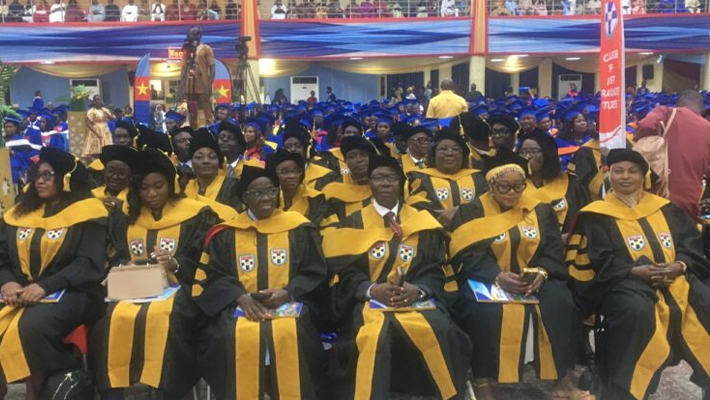
286 bag first class as ABUAD graduates 2,194 students
A total of 286 students of Afe Babalola University, Ado-Ekiti (ABUAD), bagged first-class honours as 2,194 graduated from the institution at its 14th convocation ceremony.
![Doctor in hazmat [Photo Credit: Aekno]](https://gazettengr.com/wp-content/uploads/Vy6rmwZbTIdy0CQNJ3JspejDukymQtkzYIu8u8LCBOBZkLvqkYHuQPOr-84dk23zNQLvZGzDZv2NjPnISqnojWoMnXIMBjU5wmpYscMKcmbMpVNcdTD3zhWUJSTq-h7pQ7HObQyeQc5UWLlv36S2OvuftvEQzRb-9I2XmZ4TNQqAYgTVDoX94OK6X-oddxX-1200x801.jpg)
Health
Husband, 43 contacts traced, isolated as Ebola patient suffered multiple organ failure: NCDC
The health ministry has traced and isolated 44 people who had contact with the infected patient for three weeks.
States
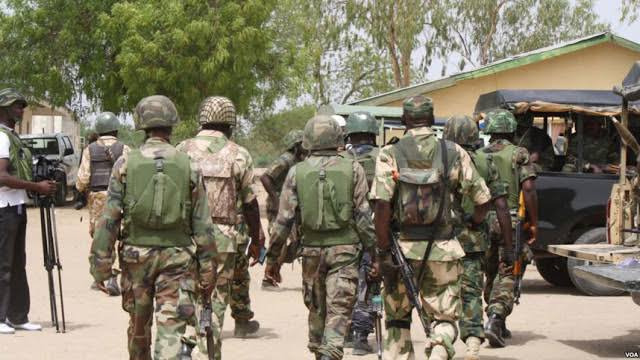
Army commander visits 97 infantry battalion, seeks community support
The commander, 3 Brigade, Nigerian Army, Saka Jimoh, has assessed the operational readiness of the newly established 97 Infantry Battalion in Samaru Kataf, Kaduna.

States
Kano: Police arrest suspect, recover stolen vehicle
The police said they recovered the vehicle, a 2014 model, stolen on October 2 in Karkasara, Tarauni council area.

Anti-Corruption
Court jails Bercor Global manager 18 months for stealing N5.6 million
A Kaduna Magistrate Court on Thursday sentenced 54-year-old manager Amos Ferdinand to 18 months’ imprisonment for stealing N5.6 million belonging to his employer.

Politics
Ebola: APC, ADC, NDC, other parties should campaign virtually, lab scientists say
The Association of Medical Laboratory Scientists of Nigeria has advised political parties to campaign virtually to minimise physical contact amid the Ebola case recorded in Abuja.


