


NLC kicks against removing labour from exclusive list
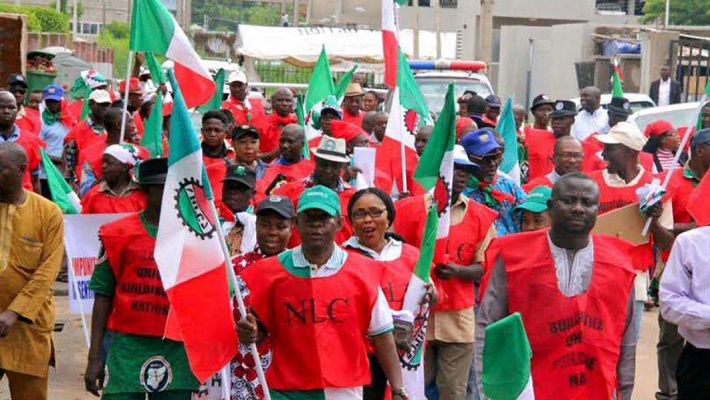
The Nigeria Labour Congress (NLC) has kicked against removing labour from the exclusive list.
In the statement by its president, Ayuba Wabba, NLC noted that labour issues were presently domiciled in the Second Schedule, Legislative Powers, Part 1, Exclusive list, Item 34.
”For the sake of our national interest, security, and industrial harmony, labour should not be one of the items that should be devolved to the states,” Mr Wabba said.
Explaining how it came to be on the exclusive list, the NLC boss noted that the nation-state’s legislation on labour derives substantially from the International Labour Organisation (ILO) conventions, protocols and recommendations, and other instruments domesticated through the acts of parliament.
Mr Wabba added that Nigeria had since adopted all the core conventions in its capacity as a sovereign nation and regularly attends ILO organ meetings as a sovereign in line with international best practices.
He argued that deregulating labour to the states would create problems.
”Secondly, a corpus of labour legislation across the 36 states and FCT will almost certainly create a judicial nightmare,” he said.
Mr Wabba also stated that the development could further scare investors away, “as they will consider this as an unnecessary addition to the already hostile operating environment.”
He reiterated that ”in the light of this, we will strongly advocate against removing labour from the Exclusive Legislative List. Not even during the military era was this contemplated.”
The NLC president further stated that the reasons for Nigeria’s relative industrial growth and development and evolution into an investor’s haven were partly attributed to its willingness to subject itself to this global order and corpus of international labour standards.
(NAN)

We have recently deactivated our website's comment provider in favour of other channels of distribution and commentary. We encourage you to join the conversation on our stories via our Facebook, Twitter and other social media pages.

More from Peoples Gazette

Agriculture
FG tasks ECOWAS on leveraging financing strategies for agroecology
The federal government has urged stakeholders in the agriculture and finance sectors in the West Africa region to leverage financing strategies to enhance agroecology practices

Politics
Katsina youths pledge to deliver over 2 million votes to Atiku
“Katsina State is Atiku’s political base because it is his second home.”

States
Police nab two suspected kidnappers, others in Jigawa
Mr Shiisu said efforts were being intensified to apprehend the fleeing suspects and that the case had been transferred to the SCID for further investigation.

States
FUNAAB petitions police over alleged encroachment by land grabbers
The registrar maintained that protecting the institution’s land is vital to safeguarding its mission of education, research, and service to the nation.

States
Tinubu govt must prioritise lives over road projects to tackle hunger crisis: Obi
Mr Obi said a more effective policy implementation is needed to address the growing humanitarian challenge.

Lagos
Police apprehend suspected cultist, recover loaded pistol in Lagos
Ms Adebisi said the suspect was apprehended after police operatives intercepted a motorcycle carrying three passengers.
Politics
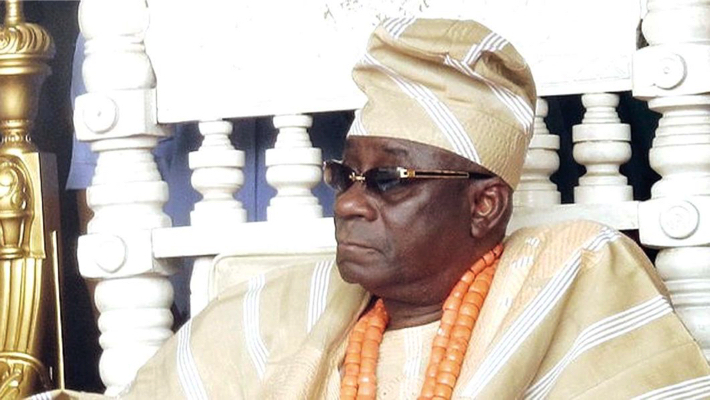
Tinubu will win 2027 election, says Oba of Lagos
Mr Akiolu said political calculations and human manoeuvres could not override God’s will in determining leadership.
NationWide
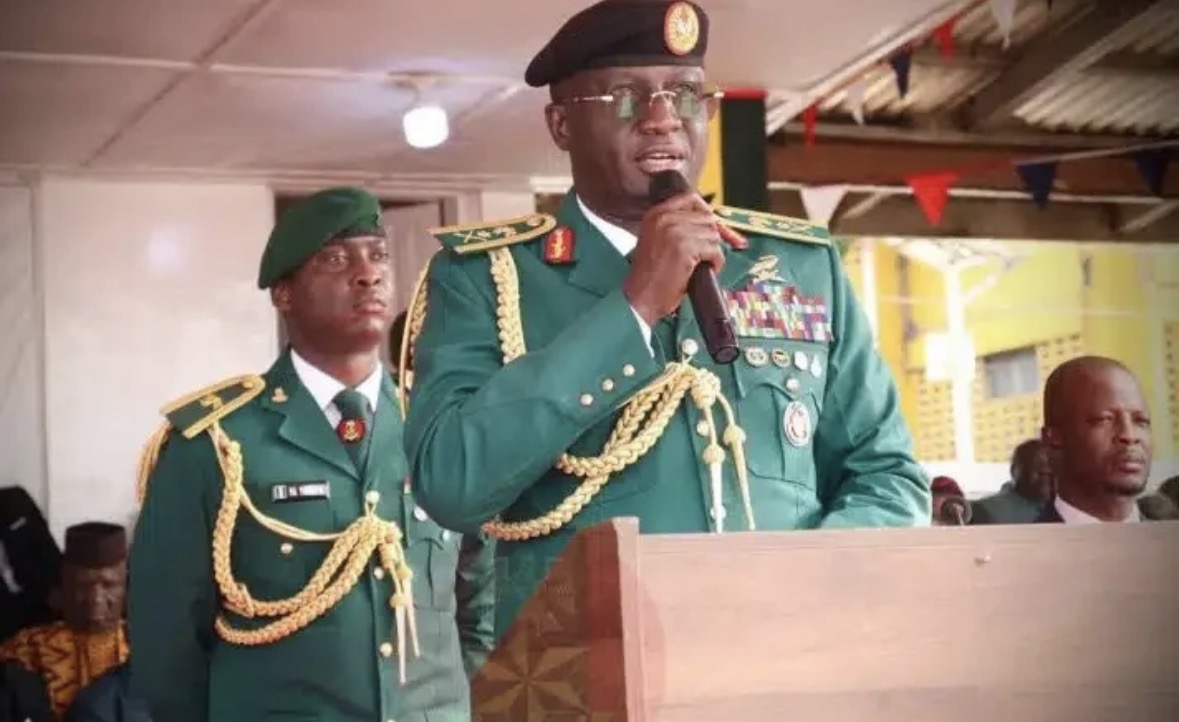
We’ve intensified urban warfare, cyber defence training to tackle evolving security threats: Army
Mr Shaibu said the country’s security environment had become increasingly complex, requiring new strategies, innovation, adaptability, and collaboration.


