

Ghanaians get $400 per tonne; we lose N60 billion annually: Nigerian cocoa farmers

Adeola Adegoke, Cocoa Farmers Association of Nigeria (CFAN)’s president, says Nigeria loses N60 billion annually to non-collection of Living Income Differential.
The money is meant to support smallholder farmers.
Mr Adegoke disclosed this on Thursday in Abuja on the sideline of a workshop organised by the Agricultural Policy Research in Africa (APRA) and the University of Ibadan.
The workshop was meant to review cocoa production policies.
Mr Adegoke added that the association was poised towards leading the country to regain its lost glory in the comity of cocoa-producing countries.
“In the 1960s, Nigeria was producing 590,000 tonnes of cocoa and was adjudged the second largest in the world. When the oil boom came, cocoa was relegated, and in the last two months, cocoa has shown it is the highest to oil in terms of foreign exchange earnings,” he explained. “It means the foreign exchange deficit we are experiencing can only be solved through the economy… As of today, what cocoa is bringing to Nigeria is next to oil. When you look at the percentage, it shows the potential.”
In Ghana and Cote d’Ivoire, according to Mr Adegoke, each farmer collects $400 for each tonne of cocoa. “That is why Nigeria must begin to collect Living Income Differential. Non-collection makes us lose N60 billion annually,“ he pointed out.
He further mentioned that with their dominance as global cocoa producers, Ghana and Cote d’Ivoire’s new Living Income Differential was a bold new move by the two countries to make a fundamental change to the structure of global markets.
Mr Adegoke added that this would ensure that rural producers received a living income.
Munil Uba-Danabundi, the House Committee on Agricultural Colleges, Universities and Institutions of Agriculture chairman, said formulated policies should be well implemented.
Also speaking, Country Lead and Principal Investigator of APRA in Nigeria, Adeola Olajide, said the government needed to create a cocoa utilisation and consumption policy, adding that Nigeria must consume its cocoa.
(NAN)

We have recently deactivated our website's comment provider in favour of other channels of distribution and commentary. We encourage you to join the conversation on our stories via our Facebook, Twitter and other social media pages.

More from Peoples Gazette

States
Independence: NBA urges Nigerians to expect better future
The NBA said that ordinary Nigerians should be deriving benefit from the subsidy removal rather than hardship.

Agriculture
FG tasks ECOWAS on leveraging financing strategies for agroecology
The federal government has urged stakeholders in the agriculture and finance sectors in the West Africa region to leverage financing strategies to enhance agroecology practices

Politics
Katsina youths pledge to deliver over 2 million votes to Atiku
“Katsina State is Atiku’s political base because it is his second home.”
Heading 2
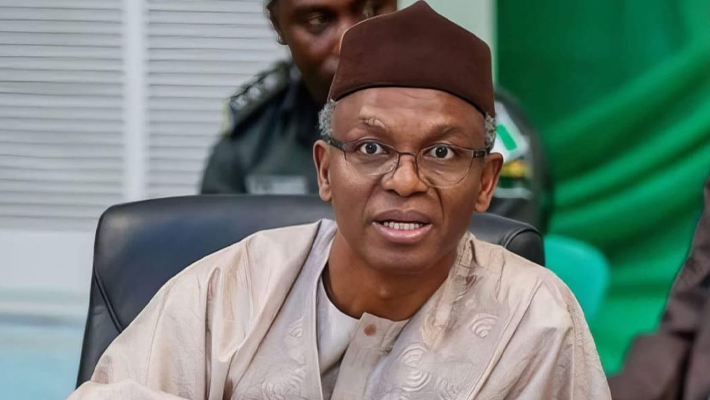
Court overrules El-Rufai’s objection to DSS forensic witness
Mr El-Rufai arrived at court amid heavy security, accompanied by his wife and Isa Kudan, the ADC governorship candidate in Kaduna State.
World
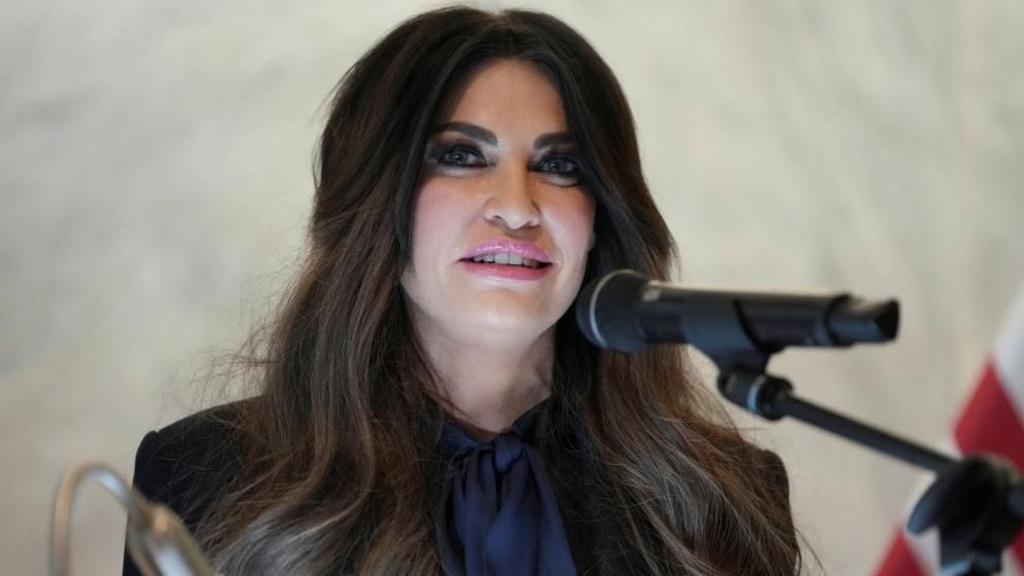
Trump fires U.S. ambassador Kimberly Guilfoyle after allegations she demanded money from donor
Mr Trump had said he was considering firing Ms Guilfoyle amid allegations that she demanded $100,000 from a political donor
States
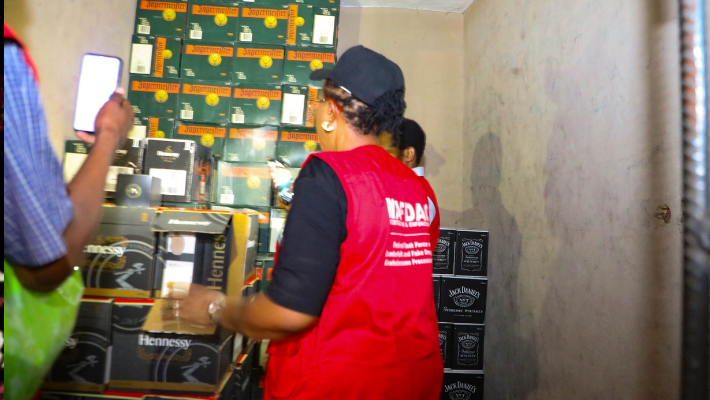
NAFDAC nabs two suspects over counterfeit alcoholic beverages in Lagos
NAFDAC said the suspects also revalidated expired and unsafe beverages for resale and stockpiled banned imported products.
States
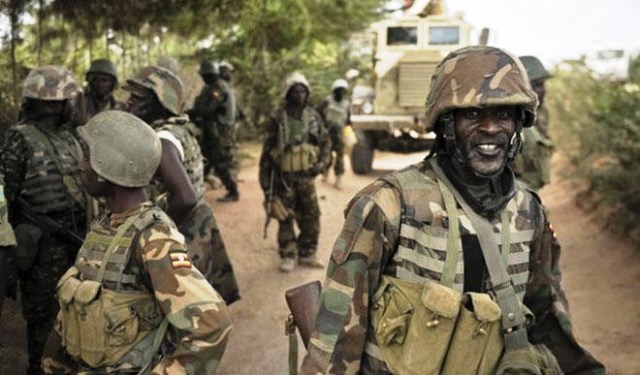
Troops arrest suspected arms racketeers in Anambra
The army added that the suspects are currently in the custody of the 302 Artillery Regiment for further investigation.

World
Pope Leo XIV diagnosed with lung cancer after surgery: Vatican
The Vatican on Tuesday said Pope Leo XIV’s surgery to remove a nodule from his lungs confirms he has cancer.
Hot news Home top
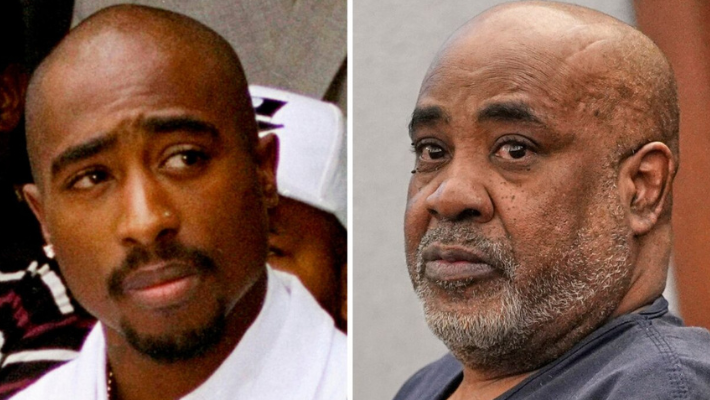
63-year-old Duane ‘Keffe D’ Davis sentenced to 40 years for murder of Tupac
Shakur was killed in a drive-by shooting in Las Vegas while he visited the city to see a Mike Tyson boxing bout.


