

Formula milk companies lying to Nigerian mothers, pregnant women about products: WHO

More than half of parents and pregnant women exposed to aggressive formula milk marketing, including in Nigeria – WHO, UNICEF
New report details exploitative practices employed by $55 billion formula industry, compromising child nutrition and violating international commitments
Abuja, 14 March 2022 – Globally, more than half of parents and pregnant women (51 per cent) surveyed for a new WHO/UNICEF report say they have been targeted with marketing from formula milk companies, much of which is in breach of international standards on infant feeding practices.
The report, How marketing of formula milk influences our decisions on infant feeding, draws on interviews with parents, pregnant women and health workers in eight countries – Bangladesh, China, Mexico, Morocco, Nigeria, South Africa, the United Kingdom and Viet Nam. It uncovers systematic and unethical marketing strategies used by the formula milk industry to influence parents’ infant feeding decisions.
The study finds that industry marketing techniques include unregulated and invasive online targeting; sponsored advice networks and helplines; promotions and free gifts; and practices to influence training and recommendations among health workers.
The messages that parents and health workers receive are often misleading, scientifically unsubstantiated, and violate the International Code of Marketing of Breast-milk Substitutes – a landmark public health agreement passed by the World Health Assembly in 1981 to protect mothers from aggressive marketing practices by the baby food industry.
“This report shows very clearly that formula milk marketing remains unacceptably pervasive, misleading and aggressive,” said Dr. Tedros Adhanom Ghebreyesus, WHO Director-General. “Regulations on exploitative marketing must be urgently adopted and enforced to protect children’s health.”
One mother interviewed in Lagos said, “Advertisements will make me buy infant formula – I see a beautiful and chubby baby on TV, well fed and smiling and there is a container of milk there with all the nutritional facts on it, detailed.”
The effects of marketing in Nigeria are seen in recommendations from health professionals and on digital platforms, with companies using data-driven algorithms to target digital advertising to women whose online behavior suggests they may be pregnant.
Digital influencers make regular posts about formula milk – including celebrities, pediatricians, so-called experts and ‘mom influencers.’
“False and misleading messages about formula feeding are a substantial barrier to breastfeeding, which we know is best for babies and mothers,” said UNICEF Executive Director Catherine Russell. “We need robust policies, legislation and investments in breastfeeding to ensure that women are protected from unethical marketing practices — and have access to the information and support they need to raise their families.”
In Nigeria, 73 per cent of women expressed a strong desire to breastfeed exclusively. Yet the report details how a sustained flow of misleading marketing messages across countries is reinforcing myths about breastfeeding and breast milk, and undermining women’s confidence in their ability to breastfeed successfully. These myths include the necessity of formula in the first days after birth, the inadequacy of breast milk for infant nutrition, that specific infant formula ingredients are proven to improve child development or immunity, the perception that formula keeps infants fuller for longer, and that the quality of breast milk declines with time.
Breastfeeding within the first hour of birth, followed by exclusive breastfeeding for six months and continued breastfeeding for up to two years or beyond, offers a powerful line of defense against all forms of child malnutrition, including wasting and obesity. Breastfeeding also acts as babies’ first vaccine, protecting them against many common childhood illnesses. It also reduces women’s future risk of diabetes, obesity and some forms of cancer. Yet, in Nigeria, only 29 per cent of babies are exclusively breastfed, according to the 2018 National Demographic and Health Survey. The Nigerian Government aims to increase the exclusive breastfeeding rate to 65 percent by 2025.
Alarmingly, health professional recommendations to use formula milk were common across the surveyed countries, particularly post-partum. In Nigeria, 45 per cent of post-partum women had received a recommendation from a health professional to feed formula product – the second highest of the countries surveyed, after Bangladesh (57 per cent).
Health professionals in Nigeria reported that contact with formula milk companies was extremely common in public and private health care settings.
In Nigeria, where women ranked health professionals as their most important source of feeding advice, over one third of surveyed pregnant women said they received a recommendation to formula feed by a health professional.
To address these challenges, WHO, UNICEF and partners are calling on governments, health workers, and the baby food industry to end exploitative formula milk marketing and fully implement and abide by the Code requirements. This includes:
· Passing, monitoring and enforcing laws to prevent the promotion of formula milk, in line with the International Code, including prohibiting nutrition and health claims made by the formula milk industry.
· Investing in policies and programmes to support breastfeeding, including adequate paid parental leave in line with international standards, and ensuring high quality breastfeeding support.
· Requesting industry to publicly commit to full compliance with the Code and subsequent World Health Assembly resolutions globally.
· Banning health workers from accepting sponsorship from companies that market foods for infants and young children for scholarships, awards, grants, meetings, or events.

We have recently deactivated our website's comment provider in favour of other channels of distribution and commentary. We encourage you to join the conversation on our stories via our Facebook, Twitter and other social media pages.

More from Peoples Gazette

States
Independence: NBA urges Nigerians to expect better future
The NBA said that ordinary Nigerians should be deriving benefit from the subsidy removal rather than hardship.

Agriculture
FG tasks ECOWAS on leveraging financing strategies for agroecology
The federal government has urged stakeholders in the agriculture and finance sectors in the West Africa region to leverage financing strategies to enhance agroecology practices

Politics
Katsina youths pledge to deliver over 2 million votes to Atiku
“Katsina State is Atiku’s political base because it is his second home.”

States
Enugu CP orders probe into alleged shooting at NDC secretariat
The police said the alleged shooting took place on Saturday, October 10, at about 2:30 p.m.

Africa
Insecurity displaces four million people across Burkina Faso, Mali, Niger says UN
Mr Gnon-Konde said approximately 60 to 65 per cent of the region’s population was younger than 25.
Faith
Ijebu chief imam cautions worshippers against immodest dressing, hairstyles during prayers
The Chief Imam of Ijebuland, Miftaudeen Gbadegesin Ayanbadejo, has urged worshippers to avoid indecent dressing, particularly dreadlocks, plaited hairstyles, earrings and tattoos among men, during congregational
Africa
South Sudan jails soldier 10 years for killing UN worker
According to UNMISS, the victim, was abducted and killed on December 15, 2025.
Africa
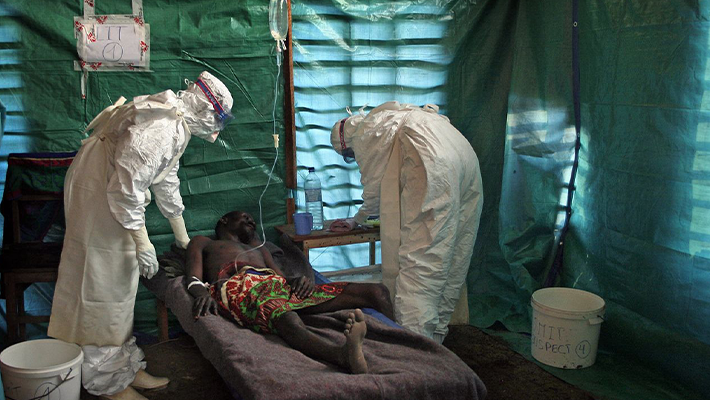
Ebola deaths hit 4,242 as cases rise to 8,787 in DR Congo: WHO
As of October 7, the outbreak had recorded 8,787 cases, 4,242 confirmed deaths and 2,292 recoveries.

World
Oyedele leads Nigeria delegation to IMF annual meeting
The meetings, scheduled for October 12 to October 18, will be attended by delegations from more than 190 countries.


