

COVID-19 forced 4.7 million more people into extreme poverty: Report

The COVID-19 pandemic has pushed 4.7 million more people into extreme poverty in South-East Asia in 2021, reversing gains made in fighting poverty.
The Asian Development Bank (ADB) said in a report on Wednesday.
According to the report, before the pandemic, the number of people living in extreme poverty or those living on less than $1.90 a day in the region had been declining, and was down to 14.2 million in 2019 from 21.2 million in 2017.
“Without COVID, those living under extreme poverty would have fallen by another 1.1 million to 13.1 million,” said James Villafuerte, a senior economist at the Manila-based bank and author of the report ‘South-East Asia: Rising from the Pandemic’.
But in 2020, the number of people living in extreme poverty rose by 5.4 million due to COVID-19, and in 2021, “another 4.7 million people fell below the extreme poverty threshold compared to the 2020 no COVID-19 poverty baseline,” the report added.
The report added that the increase in poverty arose from large unemployment amid the coronavirus-related lockdowns, with 10.6 million jobs lost in 2020 and another 9.3 million jobs in 2021.
“The pandemic has led to widespread unemployment, worsening inequality and rising poverty levels, especially among women, younger workers, and the elderly in South-East Asia,” ADB president Masatsugu Asakawa said.
In the report, the bank said in spite of brighter prospects for a recovery, the Omicron variant wave could cut the region’s economic growth by as much as 0.8 percentage points in 2022.
It added that the region’s economic output in 2022 was expected to remain more than 10 per cent below the baseline of a no-COVID scenario.
“ADB will continue to work with policymakers as they seek to rebuild, improve national health systems and streamline domestic regulations to strengthen business competitiveness,” Asakawa said.
“We encourage South-East Asian governments to invest in smart, green infrastructure and adopt technological innovations to reinvigorate economic growth,” he added.
(dpa/NAN)

We have recently deactivated our website's comment provider in favour of other channels of distribution and commentary. We encourage you to join the conversation on our stories via our Facebook, Twitter and other social media pages.

More from Peoples Gazette

States
Independence: NBA urges Nigerians to expect better future
The NBA said that ordinary Nigerians should be deriving benefit from the subsidy removal rather than hardship.

Agriculture
FG tasks ECOWAS on leveraging financing strategies for agroecology
The federal government has urged stakeholders in the agriculture and finance sectors in the West Africa region to leverage financing strategies to enhance agroecology practices

Politics
Katsina youths pledge to deliver over 2 million votes to Atiku
“Katsina State is Atiku’s political base because it is his second home.”

Heading 1
Tinubu cajoling Nigerians with money, luxury cars after ruining economy, stealing public funds, ADC alleges
The party said President Bola Tinubu has failed Nigerians.

NationWide
Court rejects IG’s bench warrant request against journalist Fisayo Soyombo in Orelope-Adefulire’s cyberstalking suit
The judge noted that since the journalist had not been brought before the court previously, issuing a bench warrant was impossible.

Africa
Kenya discharges last Ebola patient, begins 42-day countdown to end outbreak
Kenya confirmed its first case of Bundibugyo virus disease on October 6, 2026.
Health
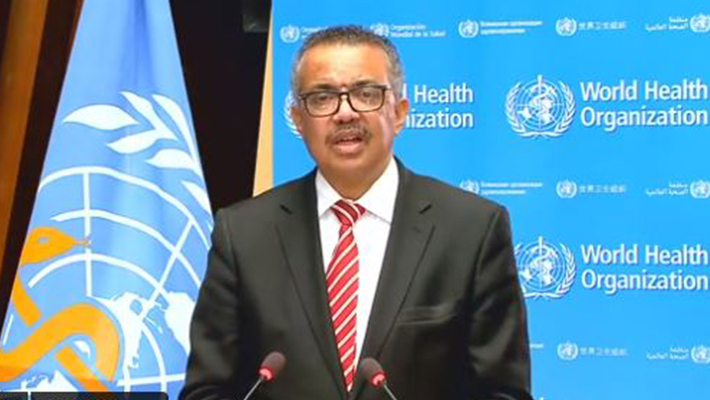
WHO identifies critical gaps in Africa’s health information systems
The World Health Organisation has revealed critical gaps in Africa’s health information systems.

Heading 2
Uba Sani eulogies deputy’s late father at three-day prayer
Mr Sani stated, “His death will affect not only his immediate family but all of us who have come to regard him as our father.”
World
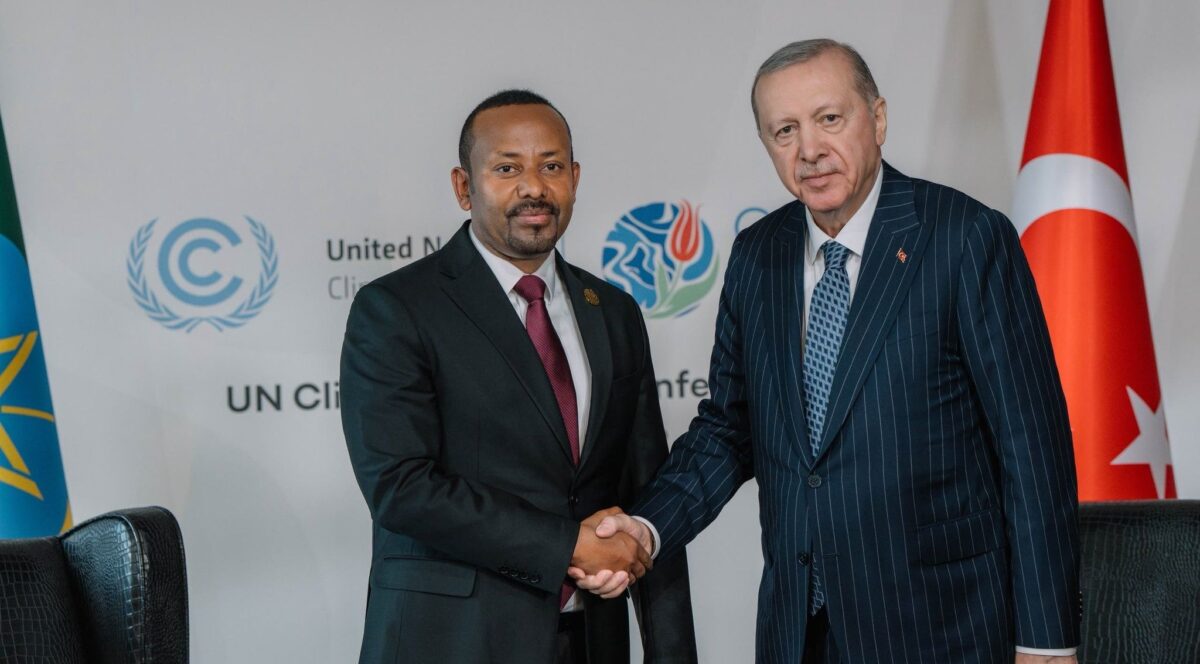
Ethiopian, Turkish presidents explore ways to strengthen bilateral ties ahead of COP32
The leaders explored ways to deepen cooperation between their countries, building on their existing partnership and shared priorities.


