

AI expert urges organisations to rethink business models

Co-Founder of AI in Nigeria and a digital transformation strategist, Ehia Erhaboh, says organisations should rethink their business models rather than using artificial intelligence (AI) to automate processes.
Mr Erhaboh said this on Thursday in a webinar organised by the Private Sector ESG Forum, with the theme: “Artificial Intelligence: Implications for Sustainability and the Future.”
He said AI belonged to a category described as general-purpose technologies, which had the power to define entire industrial revolutions rather than just improve existing processes.
He said organisations that were doing well with AI were thinking about it from a very strategic level, with leadership taking full ownership of the process.
Mr Erhaboh warned that companies focused only on automating tasks without thinking strategically were missing the bigger opportunity that AI presented.
“The major benefit that general-purpose technologies such as AI present to organisations is the opportunity to transform your business model, to transform what exactly you do and how you deliver value.
“Those who are doing it well are thinking about how it impacts their people, the value they offer to customers, and who they are as organisations
“If your focus is just thinking about how to automate, then you may have missed a significant part of what this technology brings,” he said.
According to him, organisations needed to look at their data and computing capabilities and use frameworks to assess whether they were truly ready to implement AI sustainably.
He said some organisations were rushing to implement AI use cases to satisfy their boards, without taking a complete view of the opportunities available.
Mr Erhaboh said AI presented a massive commercial opportunity for financial services organisations, particularly in the area of credit access.
He added that many Africans lacked access to credit facilities not because they were untrustworthy but because financial institutions did not have enough data on them.
Mr Erhaboh urged professionals not to wait for their organisations to train them, saying individuals should take responsibility for their own development.
He warned that those waiting for their organisations to upskill them could find themselves unable to compete with external candidates who had already acquired new skills independently.
Also speaking, a chartered management consultant, Dipo Awojide, said professionals should not see AI as an enemy but as a tool to reshape how they solved problems and made contributions to organisations.
Mr Awojide said adaptability was the most important skill for individuals in the AI era, urging professionals across all sectors to continuously assess what skills they needed for the future.
He said universities and training institutions should also reinvent how they taught and infuse AI literacy into their curricula to ensure graduates were employable and fit for the future.
He added, “Skills like critical thinking, creativity, adaptability, emotional intelligence, collaboration and AI fluency will become more prominent and more important in the next five to ten years. Of all the skills I have listed, adaptability to me appears to be the most important skill.”
Mr Awojide urged employers to invest in training and retraining employees rather than simply letting people go as AI advanced.
He said companies that carried their workers along the AI transformation journey would retain trust, keep their best talent and remain more competitive.
Also speaking, a climate change and sustainability advocate, Olumide Idowu, said scaling AI climate solutions required more than technology alone.
Mr Idowu said government intervention, innovators, communities and funders all needed to work together to ensure no one was left behind in the transition.
He advocated urgent action, urging stakeholders to move from conversations to concrete commitments and partner with organisations already delivering climate solutions on the ground.
(NAN)

We have recently deactivated our website's comment provider in favour of other channels of distribution and commentary. We encourage you to join the conversation on our stories via our Facebook, Twitter and other social media pages.

More from Peoples Gazette

States
Independence: NBA urges Nigerians to expect better future
The NBA said that ordinary Nigerians should be deriving benefit from the subsidy removal rather than hardship.

Agriculture
FG tasks ECOWAS on leveraging financing strategies for agroecology
The federal government has urged stakeholders in the agriculture and finance sectors in the West Africa region to leverage financing strategies to enhance agroecology practices

Politics
Katsina youths pledge to deliver over 2 million votes to Atiku
“Katsina State is Atiku’s political base because it is his second home.”

Health
Ebola: Kano disease control centre takes sensitisation campaign to motor parks
The case manager, Aisha Baffa, educated the transport workers on the signs and symptoms of Ebola.

States
Ibadan school guard jailed 18 months for stealing employer’s iron doors, tiles
The magistrate gave an option of N50,000 for each of the offences.

Economy
Minimum Wage: NECA rejects bilateral talks, demands inclusive negotiations
Mr Oyerinde said employers could not be bound by agreements reached without their participation and concurrence.
Heading 1
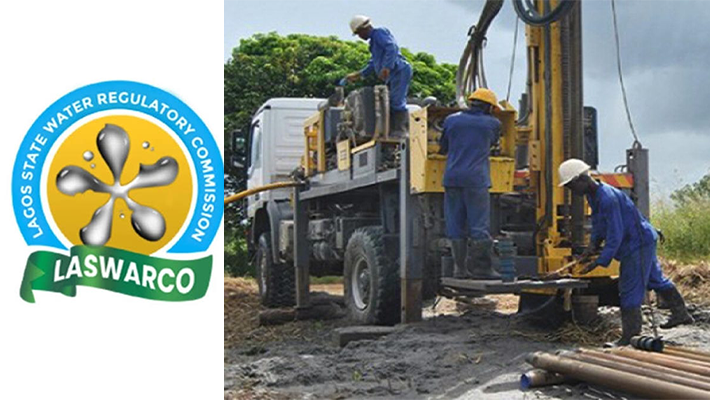
Lagos govt to prosecute residents drilling borehole in their houses without approval
Ms Adeyemo stated that the government condemned illegal borehole drilling and groundwater abstraction conducted without valid authorisation from the commission.
States
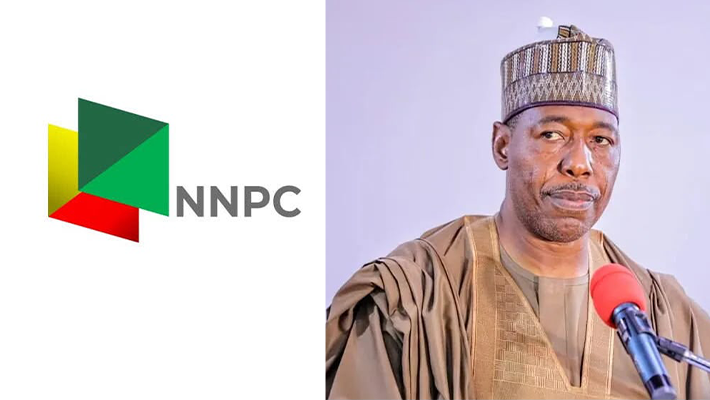
Oil exploration will resume in Borno soon, NNPCL delegation assures Gov. Zulum
Mr Zulum restated the strategic importance of restarting oil exploration in the state.

NationWide
National Assembly targets December to complete legislative process on state police
Mr Bamidele said the proposed reform would enable Nigeria to develop a policing system better equipped to understand local terrain.


