

COAS recommend indigenous defence innovation to strengthen army’s operational capabilities
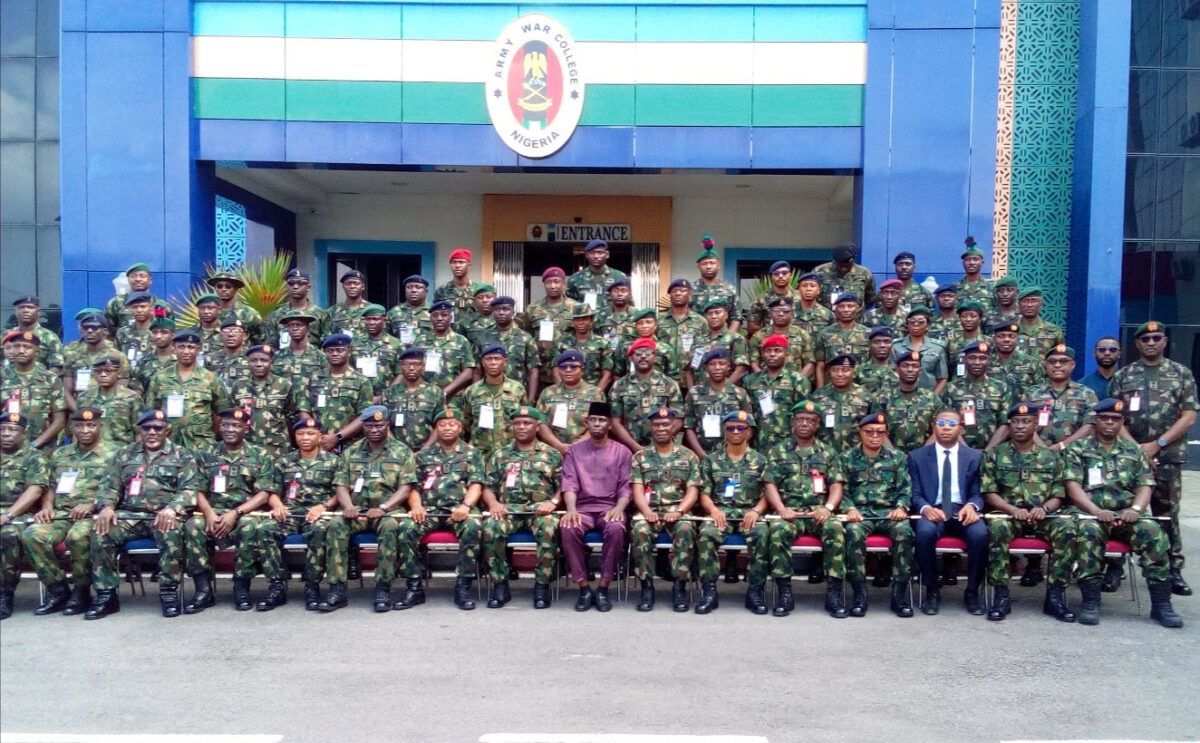
The Chief of Army Staff (COAS), Lt.-Gen. Waidi Shaibu, has called for accelerated indigenous defence innovation to strengthen the Nigerian Army’s operational capabilities and reduce dependence on foreign military technologies.
Mr Shaibu represented by the Director-General, Nigerian Army Heritage and Future Centre (NAHFC), Maj.-Gen. Olusegun Abai, made the call on Wednesday in Abuja, while declaring open the Nigerian Army Translational Innovation Seminar on Emerging Technologies 2026.
The seminar has the theme: “Indigenous Defence Innovations and the Future of Land Warfare.”
He said the changing character of warfare required the army to develop, adapt and sustain home-grown technologies to effectively confront terrorism, insurgency, banditry and other emerging security threats.
He noted that indigenous defence innovation was critical to operational independence and long-term military capability development.
Mr Shaibu also said that technological advancements were rapidly redefining military operations, with unmanned systems, artificial intelligence, electronic warfare and advanced surveillance capabilities increasingly determining battlefield outcomes.
He stated, “The ability of an army to prepare for future battles will depend not only on the weapons it possesses but also on its capacity to innovate, integrate emerging technologies and adapt faster than adversaries.
“Indeed, the ability of an army to prepare for tomorrow’s battles will increasingly depend not merely on the weapons it possesses, but also on its capacity to innovate, integrate emerging capabilities and adapt faster than its adversaries.
“Recent conflicts across the world have demonstrated how relatively inexpensive technologies, when creatively deployed and effectively integrated, can provide significant operational advantages.”
The COAS noted that the developments had important implications for Nigeria, particularly as the military continued to confront asymmetric threats across diverse operational environments.
He warned that adversaries were constantly adapting their tactics and exploiting technological opportunities to undermine the military’s operational advantages.
He stressed the need for the army to remain proactive in identifying emerging technological trends and translating them into practical capabilities suited to Nigeria’s operational realities.
He cautioned against excessive dependence on foreign sources for critical military equipment, spare parts and technical support.
“We must therefore deliberately cultivate the capacity to develop, adapt, maintain and progressively produce technologies that respond to our peculiar security challenges,” he said.
Mr Shaibu called for stronger collaboration among the Nigerian army, defence research institutions, universities, indigenous manufacturers, technology developers and the private sector.
He emphasised that such partnerships must be driven by clearly identified operational requirements rather than technological novelty.
“Our objective should be to develop practical, affordable, reliable and sustainable solutions that can be tested, refined and integrated into our existing operational systems,” he added.
Mr Shaibu described indigenous innovation as a strategic investment in operational independence, institutional resilience and the long-term development of Nigeria’s defence capabilities.
He said the need for technological innovation had become more urgent in view of the ongoing expansion and transformation of the Nigerian Army.
The added that the expansion of the army’s structure from eight to 12 divisions and recruitment of an additional 28,000 personnel required corresponding improvements in operational capabilities, training systems and technological proficiency.
According to him, the expansion must be accompanied by deliberate efforts to integrate emerging technologies into the organisational structures, training programmes and operational concepts of the new and existing formations.
“This includes integrating unmanned systems, improved intelligence and surveillance capabilities, secure communications, simulation technologies and other relevant combat enablers.
“We must equally develop the technical expertise, maintenance capacity and institutional support systems required to sustain these capabilities.”
Earlier, the Chief of Transformation and Innovation (Army), Maj.-Gen. Peter Okoye, said the seminar was designed to develop strategies for addressing evolving security challenges in a rapidly changing technological environment.
Mr Okoye said dependence on foreign sources for military equipment, spare parts and technical support exposed the country to delays, high costs and restrictions beyond its control.
He said locally developed solutions offered opportunities for quicker adaptation, local repairs and sustainable operational support.
“We have the talent for this. It is in our officers and soldiers who improvise solutions in the field every day. It is in our engineers and technicians, as well as our universities, research institutions and industry partners,” he noted.
The chief of transformation and innovation urged participants to identify existing capability gaps, challenge assumptions and develop actionable recommendations on training, research partnerships, testing and evaluation.
He noted that the success of the seminar would ultimately be determined by the practical changes resulting from its deliberations.
“The value of this seminar will not be measured by the quality of presentations or the length of our discussions.
“It will be measured by what changes afterwards, what reaches the soldier on the ground, and how much stronger and more responsive the Nigerian Army becomes,” he stated.
The seminar brought together senior military officers, researchers, technology experts, defence industry stakeholders and other participants to examine the role of emerging technologies in shaping the future of land warfare.
(NAN)

We have recently deactivated our website's comment provider in favour of other channels of distribution and commentary. We encourage you to join the conversation on our stories via our Facebook, Twitter and other social media pages.

More from Peoples Gazette

States
Independence: NBA urges Nigerians to expect better future
The NBA said that ordinary Nigerians should be deriving benefit from the subsidy removal rather than hardship.

Agriculture
FG tasks ECOWAS on leveraging financing strategies for agroecology
The federal government has urged stakeholders in the agriculture and finance sectors in the West Africa region to leverage financing strategies to enhance agroecology practices

Politics
Katsina youths pledge to deliver over 2 million votes to Atiku
“Katsina State is Atiku’s political base because it is his second home.”
Education
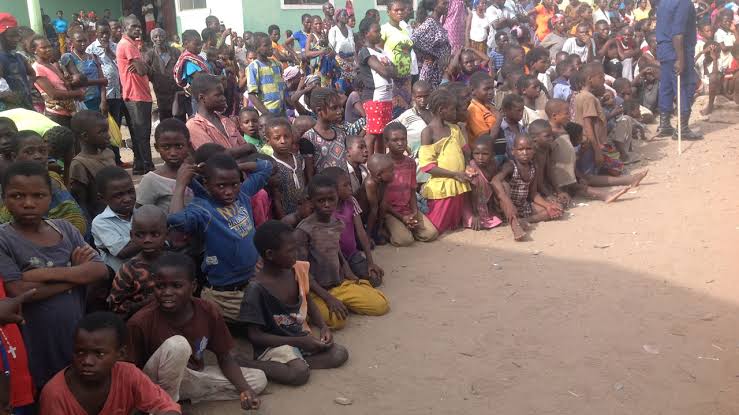
FG strategises to enrol 5.5 million out-of-school nomadic children
Mr Ardo noted the commission designed unconventional school settings with the aim of reaching such groups of people.
States
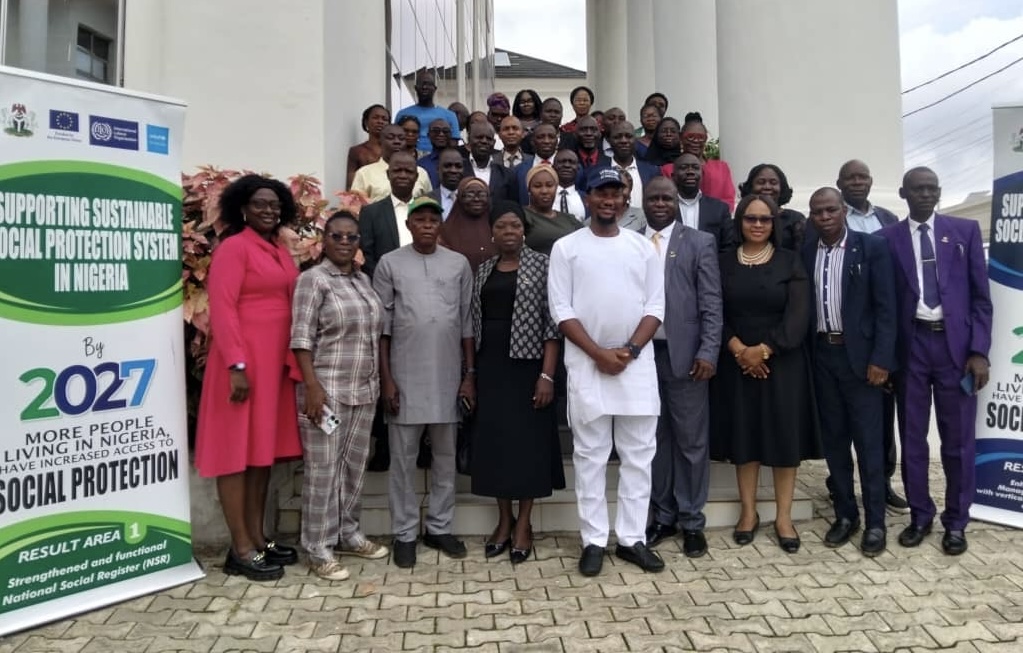
Oyo moves to bolster social protection as draft bill gains stakeholder approval
Oyo moves to bolster social protection as draft bill gains stakeholder approval

States
UN elects five judges to International Court of Justice
The votes were held by secret ballot concurrently, though separately.

States
NCC strengthens copyright enforcement in Anambra
Mr Edokobi made the call on Wednesday during a handover ceremony at the command’s headquarters in Awka.

World
Israel’s opposition wins parliamentary election, falls to secure majority
The opposition’s 67 seats include 48 won by parties aligned with former military chief Gadi Eisenkot’s Yashar party.

World
West Ham appoint Parker as coach
Parker also won the EFL Championship Manager of the Season award in 2024/25 with Burnley.


