

CSOs advocate urgent action on pollution, ecological crises in Niger Delta
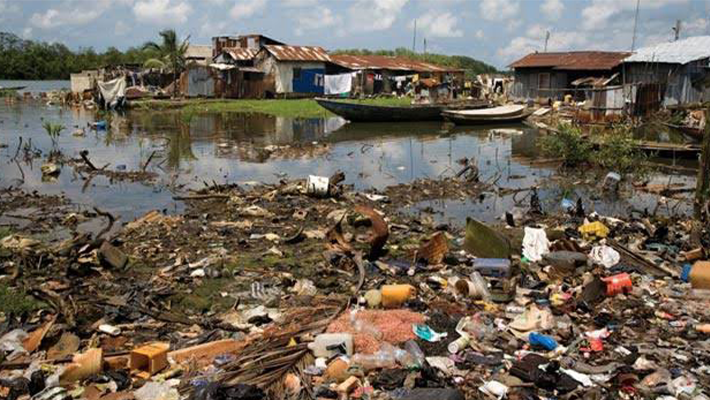
Some civil society organisations in Rivers have called for environmental policies that address the reality faced by communities whose livelihoods were ruined by pollution and ecological degradation.
The groups, including Health of Mother Earth Foundation (HOMEF), Indigenous Language Cultural Empowerment Foundation, and Miideekor Development Initiative, made the call on Sunday in Kanni Community, Gokana council area of Rivers.
They spoke at a forum with the theme, ‘Rethinking Climate Change, Food Systems Solutions’, saying that farms, fishing grounds, forests and water sources had been destroyed in many Niger Delta communities.
In a speech, HOMEF executive director Nnimmo Bassey said integrating indigenous ideas, traditional values, and community-led initiatives could help tackle climate change, food insecurity, and environmental degradation.
Mr Bassey said indigenous languages, cultures and traditional practices could provide valuable tools for addressing contemporary environmental challenges. According to him, the gathering provides a platform for drawing lessons from indigenous languages and cultures to build a healthier and sustainable future.
“Nigerians, particularly young people, need to learn from the past and retain traditional practices that promote good health, environmental protection and community well-being. We are not going to take everything from the past to the future, but we will preserve excellent things, like the way our people lived and what gave them good health,” he said.
Mr Bassey also said that traditional communities were guided by honesty, integrity, cooperation, solidarity and respect for nature, which remained relevant to the current climate and food crises confronting the region.
He linked the climate crisis in the region to the destruction of natural systems supporting food production, livelihoods and human health. He questioned the low quality of life in oil-producing communities, despite the enormous resources extracted from the region.
“Why is 41 years the life expectancy in the Niger Delta? Why are our women going into menopause before the age of 30. These are the real questions that must be asked. If your environment is sick, you cannot claim to be healthy,” Mr Bassey said.
He expressed concern over residents’ continued dependence on polluted water, describing the development as reflecting the severity of environmental degradation in the region.
Also, the executive director of the Indigenous Language Cultural Empowerment Foundation, Magnus Edoo, called for indigenous languages in environmental decision-making.
Mr Edoo, who delivered the keynote address, said communities could not meaningfully participate when critical environmental information was communicated in unfamiliar languages. He advocated indigenous languages during Environmental Impact Assessments, community consultations and agreements between oil companies and host communities.
“Oil companies should communicate the terms and implications of their activities in languages understood by host communities,” he said.
Mr Edoo also called on the government to strengthen indigenous language teaching in schools, warning that language loss could undermine cultural identity.
Earlier, the team lead, Miideekor Development Initiative, Celestine Akpobari, said Niger Delta communities could contribute significantly to restoring degraded ecosystems.
Mr Akpobari cited the Ogoni struggle against oil exploitation, pointing out that some areas showed signs of natural recovery after oil companies withdrew in 1993. He said mangroves returned and fish and other biodiversity reappeared after destructive activities stopped.
He advocated community participation in ecological restoration, saying that oil-bearing communities could play central roles with appropriate policies, resources and support.
(NAN)

We have recently deactivated our website's comment provider in favour of other channels of distribution and commentary. We encourage you to join the conversation on our stories via our Facebook, Twitter and other social media pages.

More from Peoples Gazette

Agriculture
FG tasks ECOWAS on leveraging financing strategies for agroecology
The federal government has urged stakeholders in the agriculture and finance sectors in the West Africa region to leverage financing strategies to enhance agroecology practices

Politics
Katsina youths pledge to deliver over 2 million votes to Atiku
“Katsina State is Atiku’s political base because it is his second home.”
States
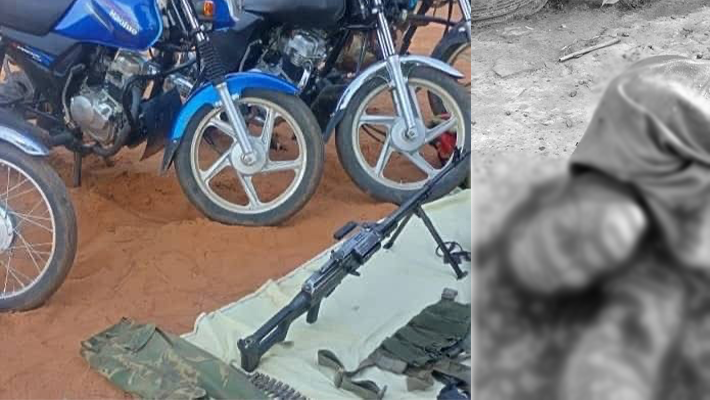
Kebbi police kill terrorists, recover arms in forest raid
The Kebbi State police command says it killed several terrorists and recovered arms, during a raid at Gumki Forest.
States
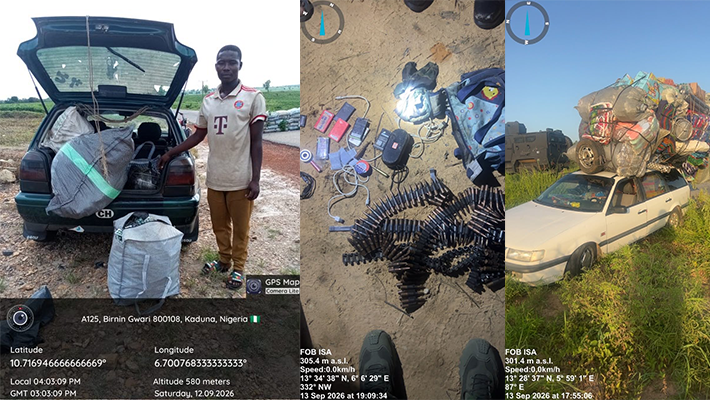
Troops foil terrorist attack, rescue two kidnap victims in Sokoto
Troops of Operation Fansan Yamma foiled a terrorist attack in Sokoto and and rescued two kidnap victims.

Africa
President Faye, IMF chief to discuss Senegal’s economic reforms in Washington
Mr Faye arrived in Washington on Monday for a two-day working visit scheduled to end on September 15.

World
New tuberculosis vaccines could save 7.3 million lives by 2050: Gavi
Gavi said the vaccines could also unlock up to $135 billion in economic benefits across low- and middle-income countries.

Sport
2026 highest-paid footballers globally
Erling Haaland is the highest-paid player in terms of salary outside Saudi Arabia. Haaland is on a £27.3 million-a-year contract at the Etihad Stadium.
NationWide
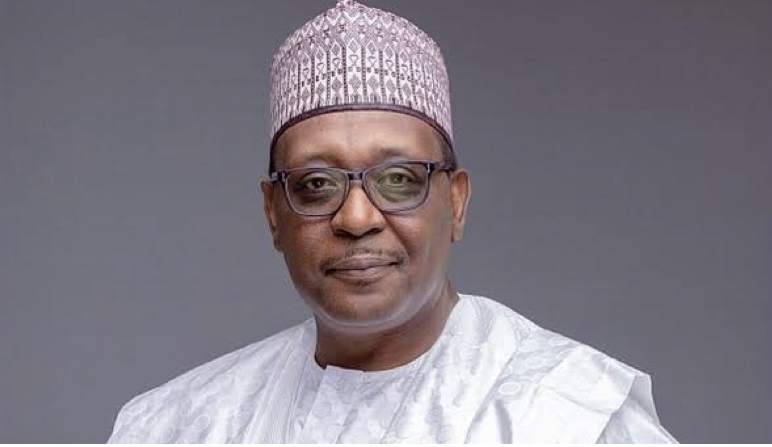
60,000 women benefitted from free emergency obstetric services in two years: Pate
The minister said the intervention was part of the federal government’s efforts to reduce maternal and newborn deaths.


