

Drug trade, evolving trafficking routes fuelling insecurity in Nigeria, says UNODC
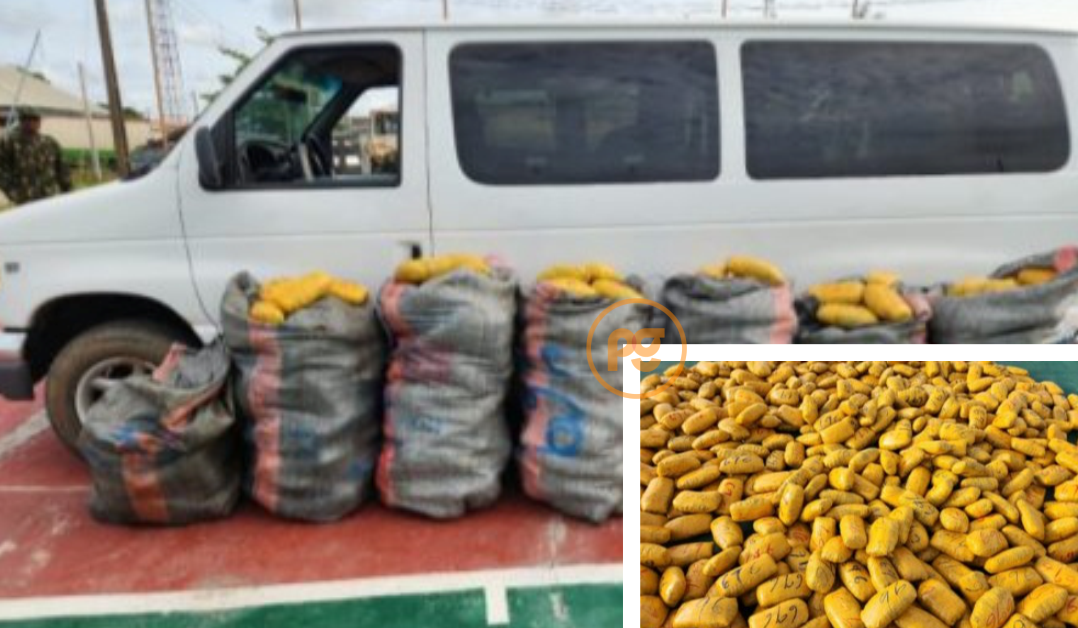
The United Nations Office on Drugs and Crime (UNODC) says the growing drug trade, driven by synthetic substances, evolving trafficking routes and organised criminal networks, is fuelling insecurity in Nigeria.
The UNODC Country Representative, Cheikh Toure, made this known at the commemoration of the 2026 International Day Against Drug Abuse and Illicit Trafficking (World Drug Day) on Friday in Abuja.
Mr Toure, who was represented by Dr Akanidomo Ibanga, the lead for drug demand reduction at UNODC, said the issue required innovative and coordinated responses.
Speaking on the theme, “The World Drug Problem: Persisting Issues, New Challenges, Innovative Responses,” Mr Toure said the global drug landscape was changing rapidly.
This, he emphasised, involves synthetic drugs and new trafficking patterns posing fresh threats to public health, national security and sustainable development.
He noted that Nigeria, being a strategic regional actor, was not immune to the evolving drug challenge.
According to him, the intersection between illicit drug economies and insecurity has made the fight against drug abuse and trafficking more complex, requiring stronger leadership, reforms and innovation.
“The rise of synthetic drugs, evolving trafficking routes, and the intersection between drug economies and insecurity continue to challenge even the most robust systems.
“Nigeria, as a key regional actor, is not immune to these dynamics. Indeed, the implications for public health, national security and sustainable development are profound,” he said.
Mr Toure, however, said the current realities also presented an opportunity for governments and stakeholders to adopt more strategic and evidence-based responses.
He commended the federal government for maintaining a balanced approach to drug control by integrating supply reduction, demand reduction, and respect for human rights.
The UNODC representative also lauded the leadership of the National Drug Law Enforcement Agency (NDLEA), the Federal Ministry of Health and other stakeholders for strengthening Nigeria’s response to the drug problem.
He reiterated the UNODC’s commitment to supporting the country’s efforts through innovative programmes aligned with global standards and national priorities.
“Innovation is not always about introducing entirely new ideas but about implementing proven interventions consistently, effectively and at scale,” he said.
Mr Toure disclosed that the UNODC was supporting the institutionalisation of comprehensive prevention systems through the Children’s Amplified Prevention Services (CHAMPS), designed to address risk factors before they lead to substance use.
He explained that the initiative was helping states build sustainable and replicable prevention systems rather than isolated prevention programmes.
He said the organisation was also collaborating with government institutions to expand access to quality drug treatment and care by promoting integrated, community-based services that are affordable, accessible and evidence-based.
He added that the UNODC was strengthening intelligence gathering and data systems, including establishing early warning mechanisms to detect emerging drug trends, particularly synthetic substances, to support timely policy decisions.
On criminal justice reforms, he said the organisation was promoting alternatives to incarceration for people with drug use disorders, stressing that health-centred responses produced better outcomes than punitive measures alone.
He further disclosed that the UNODC was leveraging digital technology and capacity-building initiatives to strengthen the capabilities of law enforcement agencies, healthcare providers and social service institutions to respond effectively to emerging drug threats.
The country representative stressed that sustained political commitment, strategic investments and stronger inter-agency collaboration were critical to addressing the drug challenge.
He noted that drug abuse and trafficking were closely linked to youth unemployment, organised crime, social vulnerability and other development challenges.
“Addressing the problem requires a whole-of-government and whole-of-society approach,” he emphasised.
Mr Toure also acknowledged the contributions of civil society organisations, community leaders and people with lived experience, describing them as indispensable partners in developing inclusive and effective drug control policies.
“We are increasingly building multi-sectoral collaborative responses because we recognise that this response cannot be effective without the whole of society,” he said.
He called for greater investment in prevention systems, wider access to treatment and rehabilitation services, stronger law enforcement and deliberate efforts to address the social conditions that expose individuals and communities to drug abuse and trafficking.
He reaffirmed the UNODC’s commitment to supporting Nigeria through technical assistance, strategic partnerships and innovative solutions aimed at building a safer, healthier and more secure society.
“Together, we can turn today’s challenges into tomorrow’s progress,” he said.
(NAN)

We have recently deactivated our website's comment provider in favour of other channels of distribution and commentary. We encourage you to join the conversation on our stories via our Facebook, Twitter and other social media pages.

More from Peoples Gazette

Agriculture
FG tasks ECOWAS on leveraging financing strategies for agroecology
The federal government has urged stakeholders in the agriculture and finance sectors in the West Africa region to leverage financing strategies to enhance agroecology practices

Politics
Katsina youths pledge to deliver over 2 million votes to Atiku
“Katsina State is Atiku’s political base because it is his second home.”

NationWide
Civilian JTF gets new commander-general
He said the purpose of establishing the CJTF was to bring peace and unity to the country.

States
Police nab three Bayelsa civil servants over alleged N500 million theft of govt equipment
Police said the suspects would be charged to court after the conclusion of investigations.

Heading 4
England beat France 6-4 to win 2026 World Cup bronze
Saka completed his hat-trick from the penalty spot in the 87th minute.
Africa
Nigeria, Senegal pledge to revive joint commission
Mr Enikanolaiye described the bilateral relations between Nigeria and Senegal as excellent.
![U.S. Mission[Credit: X.com]](https://gazettengr.com/wp-content/uploads/images-78-3.jpeg)
World
U.S. issues security alert to Americans worldwide as Iran kills two soldiers
The U.S. government issued a warning to all Americans worldwide amid the escalating war against Iran.

Heading 3
Tinubu’s scorecard is 139 million Nigerians in poverty; he should resign, not seek re-election: ADC
“The evidence of 139 million people living in poverty and 17 million at risk of starvation is President Tinubu’s scorecard,” the party said.


