

Global SRHR funding crisis deepens despite more aid

Global experts at the International Conference on Family Planning have warned that widening funding gaps and uneven political will threaten progress in sexual and reproductive health and rights.
They stated this on Wednesday in Bogotá, Colombia, noting that low- and middle-income countries, such as Nigeria, were at risk of losing hard-won gains if urgent action was not taken.
The four-day conference brings together more than 3,500 delegates from 120 countries, including policymakers, donors, researchers, and advocates.
New research from the WHO, the Lancet, the Guttmacher Institute, and Rutgers also revealed that global SRHR progress was at a crossroads where innovation and inequality collide.
A recent Guttmacher analysis warned that over 70 per cent of global family planning funding depends on few donors, with nearly 40 per cent coming from the U.S.
Donor disbursements fell by 27 per cent in 2023 to $10.77 billion, representing just 4.3 per cent of total official development assistance.
Experts say the decline in external support is particularly concerning for countries like Nigeria, which heavily rely on donor funding for commodities and reproductive health supplies.
According to Nigeria’s Federal Ministry of Health and Social Welfare, domestic financing for family planning remains below 30 per cent of the required budget, leaving critical gaps in procurement, logistics, and service delivery.
Philip Anglewicz, director of the William H. Gates Sr. Institute and chair of the ICFP 2025 International Steering Committee, said evidence must translate into tangible action.
”Evidence is only as powerful as the action it inspires. This week, the SRHR community is proving that research can do more than describe the world; it can change it,” Mr Anglewicz said.
Saifuddin Ahmed, who led The Lancet/WHO Global SRHR Analysis, said sustained investment in reproductive health not only saves lives but also boosts economic growth and gender equality.
”Investment in SRHR doesn’t just save lives; it strengthens economies, protects rights, and builds resilience in times of crisis,” Mr Ahmed said.
New evidence from Guttmacher’s Adding It Up and FP-Impact studies presented at the ICFP 2025 showed that meeting all SRHR needs in low- and middle-income countries would cost $104 billion annually but save $2.48 in health costs for every dollar spent.
In countries like Nigeria and Kenya, contraceptive access has been linked to a 12 per cent increase in women’s paid employment.
FP2030 executive director, Samukeliso Dube, said several African countries, including Ghana, Kenya, and Nigeria, had made renewed commitments to expand access to modern contraception and increase domestic financing toward the 2030 targets.
”Countries see the evidence; family planning remains a development best buy. It’s worth prioritising,” Mr Dube said.
Nigeria’s commitment under FP2030 includes increasing its modern contraceptive prevalence rate to 27 per cent by 2030 and ensuring that family planning services are integrated into universal health coverage plans.
However, experts warned that inconsistent domestic funding and commodity stock-outs could undermine progress if donor support continues to wane.
Beyond data, the ICFP’s media and accountability track is fostering collaboration among over 50 international journalists and advocates under the Family Planning News Network (FPNN), aimed at strengthening evidence-based reporting and combating misinformation in SRHR.
Eszter Kismodi of Sexual and Reproductive Health Matters said the session marked the beginning of a global community of journalists and advocates committed to advancing transparency and accountability in SRHR reporting.
Marta Royo, executive director of Profamilia, said the next decade would be defined not just by the amount of evidence available, but by how boldly stakeholders act on it.
”We have more data than ever before. But what will define the next decade is not how much we know, but how boldly we act. Evidence must drive equity, and equity must drive everything else,” Ms Royo said.
The ICFP, organised by the William H. Gates Sr. Institute at Johns Hopkins Bloomberg School of Public Health in partnership with Colombia and Profamilia, remains the world’s largest platform for advancing reproductive health and family planning policy and practice.
(NAN)

We have recently deactivated our website's comment provider in favour of other channels of distribution and commentary. We encourage you to join the conversation on our stories via our Facebook, Twitter and other social media pages.

More from Peoples Gazette

Agriculture
FG tasks ECOWAS on leveraging financing strategies for agroecology
The federal government has urged stakeholders in the agriculture and finance sectors in the West Africa region to leverage financing strategies to enhance agroecology practices

Politics
Katsina youths pledge to deliver over 2 million votes to Atiku
“Katsina State is Atiku’s political base because it is his second home.”

Lagos
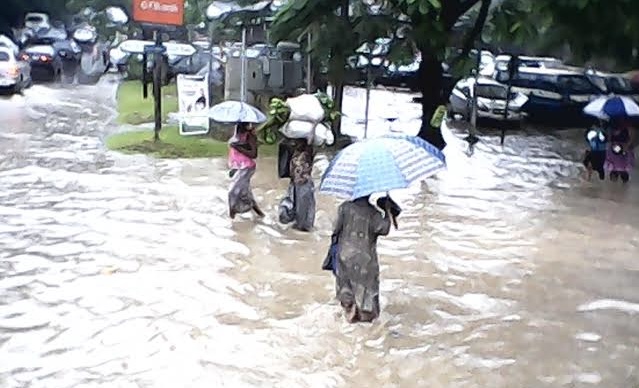
Institute says Lagos flood denial worsening crisis, urges urgent action
The institute pointed out that flooding has recurred annually in Lagos since 1968, except in 1973, the Sahelian drought year.
Agriculture
NiMet warns of flooding across Imo, Abia, Ebonyi, Akwa Ibom, Cross River
The Nigerian Meteorological Agency (NiMet) has predicted cloudy and thundery weather across the country from Wednesday to Friday.

Jos
Trader sentenced to prison for stealing trousers in hospital
A Jos Magistrate’s Court on Wednesday sentenced a 26-year-old trader, Ahmed Abdullahi, to nine months in prison for stealing a shirt and trousers from a hospital.
Ibadan
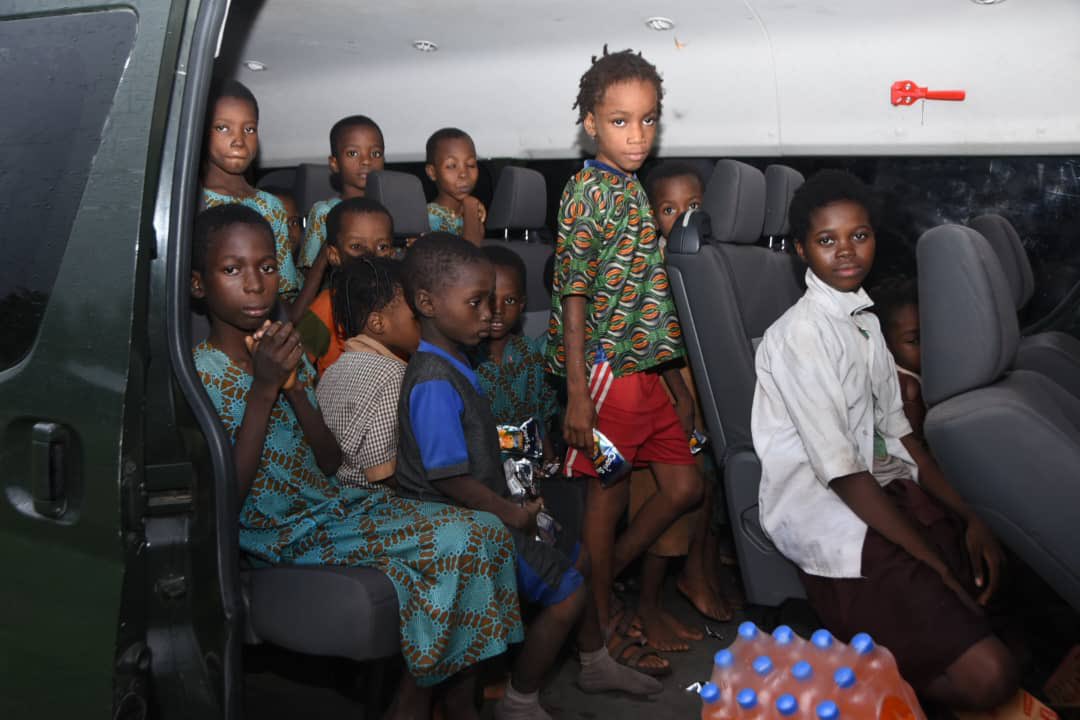
National parks chief hails Tinubu, Makinde for rescue of abducted Oyo students
Ibrahim Goni, the conservator-general of the National Park Service, has commended President Bola Tinubu for the rescue of pupils and teachers abducted in the Oriire council area.

NationWide
Northerners warned against politicising terrorism, banditry
GAPAG has called on various associations in the north to stop politicising insecurity in the country.
Economy
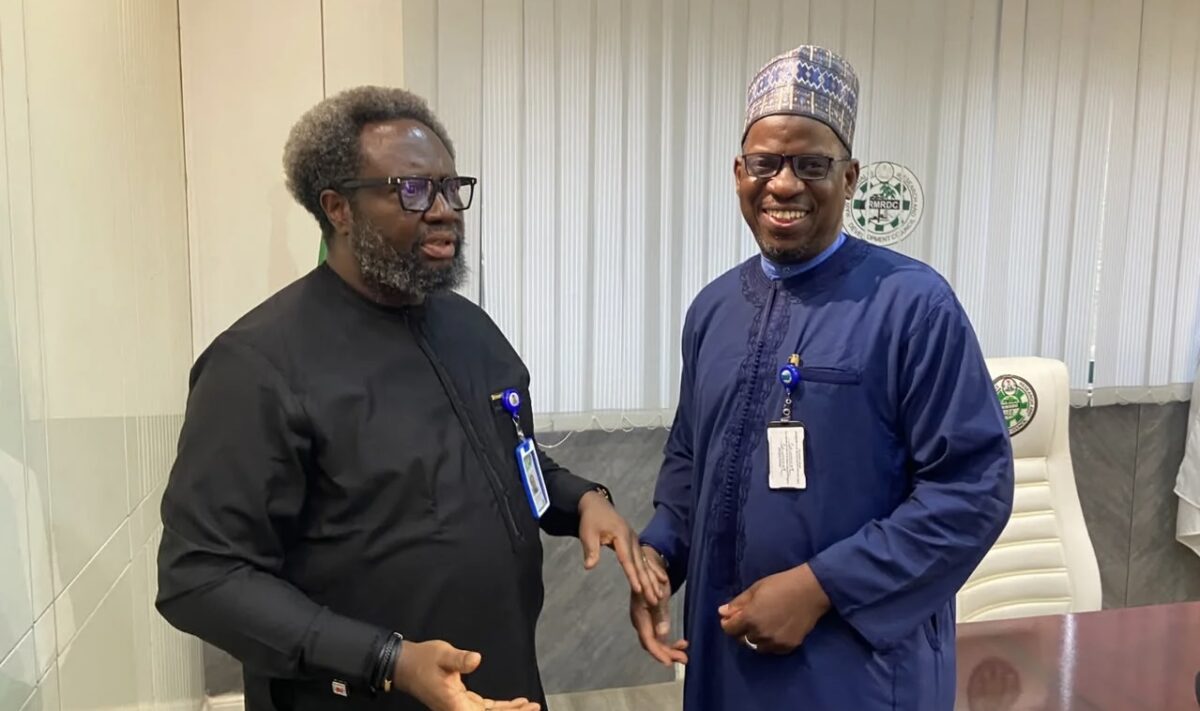
Africa’s prosperity depends on value addition to raw materials, says RMRDC
Nnanyelugo Ike-Muonso, the director-general of the Raw Materials Research and Development Council (RMRDC), disclosed on Tuesday in Abuja.


