

Obstetric fistula; treatable silent killer affecting 500,000 women: UN Women

Obstetric fistula is a silent killer that is a completely treatable health condition, yet it affects over 500,000 women worldwide, UN agencies have said.
The Executive Director of UN Women, Sima Bahous, said on Friday in her message for the commemoration of the 2025 International Day to End Obstetric Fistula.
Obstetric fistula is a medical condition which refers to the development of a small hole between the birth canal and the bladder or rectum, leading to leaky urine or faeces.
“Women’s bodies become battlegrounds – not only through sexual violence but through the deliberate denial of reproductive rights and health services,” Ms Bahous said.
She painted a grim picture of what people living with obstetric fistula went through, especially the complications that it caused during childbirth.
She stated, “Five days – that is how long it took Dah, a 14-year-old prospective mother from Côte d’Ivoire, to give birth. The child was stillborn, and she developed obstetric fistula. 16 years – that is how long Dah had to live with the agonising condition, undergoing eight different surgical procedures before finally getting the fistula repaired.”
This year’s theme, “Her Health, Her Right: Shaping a Future without Fistula” will seek to make progress toward the goal of eliminating fistula by 2030.
She said, “In recognition of the over 500,000 women like Dah who are forced to endure what is a highly treatable condition, the International Day to End Obstetric Fistula is being marked on Friday.”
Obstetric fistula is often brought on by prolonged or difficult childbirth. Most of the half million women suffering the condition live in the Global South.
Many women who have a fistula experience social isolation and exclusion brought on by leaking urine or faeces.
This, in turn, can lead to depression and exacerbated poverty, the UN WOMEN head said.
UNFPA emphasised that midwives were key to preventing fistula, and other childbirth injuries.
However, there is a global shortage of over 900,000 midwives, 500,000 of which are in Sub-Saharan Africa, according to the UN population agency.
Reproductive health education and empowerment are similarly essential to addressing and preventing obstetric fistula.
“Kambiré, a small business owner who lives in Bouna, lived with obstetric fistula for 23 years. She even had another child before getting medical assistance. I preferred to isolate myself because of the fistula,” she said. “I couldn’t sit for long for fear of getting wet”.
“She only learned that it was treatable when listening to a radio show, inspiring her to go to a UN sexual and reproductive health agency (UNFPA)-supported hospital for treatment.
“Now, she owns a small pot-making business,” she recounted the gory experience of another person living with obstetric fistula.”
UNFPA set the goal of elimination by 2030 – which seems doable given that, as a medical condition, it is both completely preventable and fully treatable.
Between 2003 and 2024, UNFPA supported nearly 150,000 surgical fistula repairs, 4,400 of which alone happened in Côte d’Ivoire for women such as Dah and Kambiré.
“Catherine, a mother of two in Bouna, also received medical assistance from a UNFPA-supported hospital. Now that I’m healthy, I’m happy. I can run my business and spend time with my friends”,” she said.
Nevertheless, obstetric fistula remained stubbornly persistent throughout the world due to disparities in global health systems.
“The most effective shield we can offer women and girls is their own power, voice and leadership,” Ms Bahous said.
“After Dah received successful treatment for her obstetric fistula, she, like Kambiré, began a seasonal food business through which she prepares and sells produce. She has also bonded together with other fistula survivors from Bouna to enhance community awareness and reduce stigma. When women lead, they protect not only themselves but their families and communities …The impact is transformative,” she stressed.
(NAN)

We have recently deactivated our website's comment provider in favour of other channels of distribution and commentary. We encourage you to join the conversation on our stories via our Facebook, Twitter and other social media pages.

More from Peoples Gazette

States
Independence: NBA urges Nigerians to expect better future
The NBA said that ordinary Nigerians should be deriving benefit from the subsidy removal rather than hardship.

Agriculture
FG tasks ECOWAS on leveraging financing strategies for agroecology
The federal government has urged stakeholders in the agriculture and finance sectors in the West Africa region to leverage financing strategies to enhance agroecology practices

Politics
Katsina youths pledge to deliver over 2 million votes to Atiku
“Katsina State is Atiku’s political base because it is his second home.”

Sport
Ajibade updates on injury after Super Falcons trounced Comoros 5-0
Ajibade said, “I am proud of how our team began its road to the Olympics.”
Africa
Algeria pledges to improve investment environment, intra-African connectivity
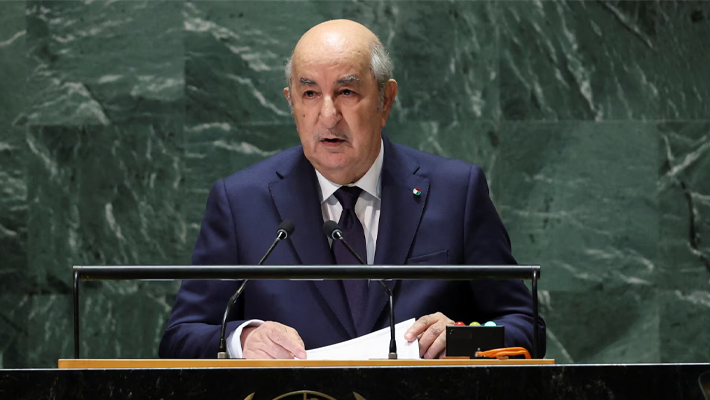
Algerian President Abdelmadjid Tebboune vowed on Wednesday to make 2027 a key year in the nation’s shift to a liberal emerging economy and boost African integration.
Heading 2
Zimbabwean writer Kundizeza fights allegation of using AI to write Caine Prize award-winning novel
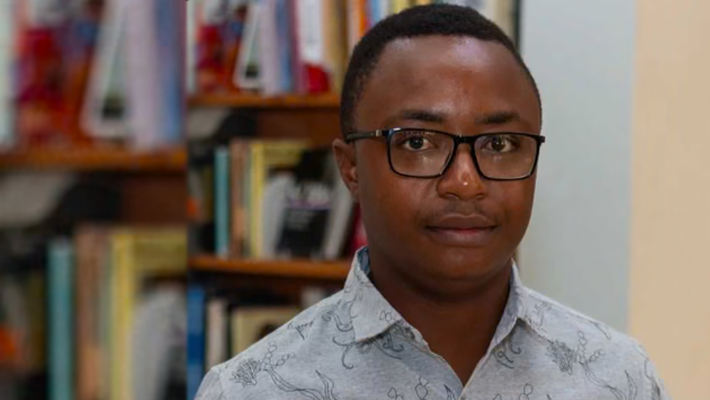
Mr Kundizeza has denied using artificial intelligence to write the short story, The Blue Fighter, following a publication in The Atlantic alleging so.

Heading 2
Colleagues, fans mourn gospel singer Toluwanisings
Dare Melody wrote, “Such a rude shock. This one hits differently.”
Health
ICRC reports 18% rise in malnutrition cases in North-East
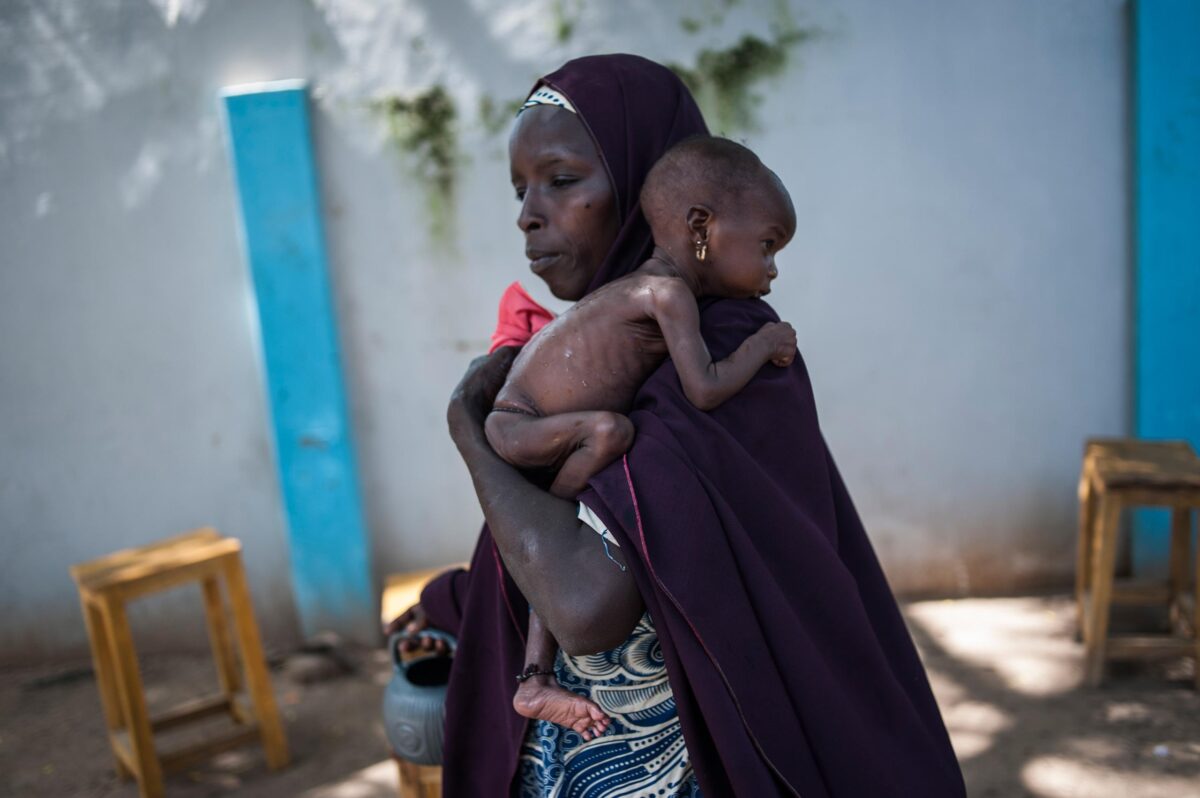
ICRC says malnutrition admissions have risen by 18 per cent at its supported health facilities in the North-East, from 17,000 cases in 2025 to nearly 20,000 in 2026.

Africa
Authorities strengthen surveillance as Kenya records second Ebola case
The latest patient, a 39-year-old man, is a close family contact of the index case.


