

SERAP gives FG 48 hours to halt cybersecurity levy or face legal action
The Socio-Economic Rights and Accountability Project has given the Federal Government 48 hours to withdraw the 0.5% ‘cybersecurity levy’ imposed on Nigerians.
In a statement on its official X handle on Tuesday, SERAP threatened to drag the Federal Government to court if the “grossly unlawful” directive by the Central Bank of Nigeria is not withdrawn.
SERAP said, “The Tinubu administration must immediately withdraw the grossly unlawful CBN directive to implement section 44 of the Cybercrime Act 2024, which imposes a 0.5% ‘cybersecurity levy’ on Nigerians. We’ll see in court if the directive is not withdrawn within 48 hours.’’
The CBN had in a circular on Monday directed banks to levy a 0.5 per cent cybersecurity charge on electronic transactions effective May 20, 2024.
“A levy of 0.5 per cent (0.005) equivalent to a half per cent of all electronic transactions value by the business specified in the Second Schedule of the Act is to be remitted to the National Cybersecurity Fund which shall be administered by the Office of the National Security Adviser,” the CBN circular indicated.
The CBN clarified that the levy would be separately “reflected in the customer’s account” as “Cybersecurity Levy” and “applied at the point of electronic transfer origination, then deducted and remitted by the financial institution.”
According to the apex bank, the directive which is a follow-up on previous circulars issued in June (Ref: BPS/DIR/GEN/CIR/05/008) and October 2018 (Ref:BSD/DIR/GEN/LAB/11/023) —- is to be remitted to the National Cybersecurity Fund (NCF) and administered by the Office of the National Security Adviser (NSA) led by Nuhu Ribadu.
Exempted from paying the levy are tuition fee transactions at all educational levels including primary, secondary and university; loan disbursements and repayments; salary payments; intra-account transfers within the same bank or between different banks for the same customer; and intra-bank transfers between customers of the same bank.
The exempted category further includes bank transfers to and from CBN, cheque clearing, letters of credit, “savings and deposits including long-term investments” like treasury bills, bonds and commercial papers.
Errant financial institutions who disobey the CBN would forfeit two per cent of their annual turnover to the apex bank.

We have recently deactivated our website's comment provider in favour of other channels of distribution and commentary. We encourage you to join the conversation on our stories via our Facebook, Twitter and other social media pages.

More from Peoples Gazette

States
Independence: NBA urges Nigerians to expect better future
The NBA said that ordinary Nigerians should be deriving benefit from the subsidy removal rather than hardship.

Agriculture
FG tasks ECOWAS on leveraging financing strategies for agroecology
The federal government has urged stakeholders in the agriculture and finance sectors in the West Africa region to leverage financing strategies to enhance agroecology practices

Politics
Katsina youths pledge to deliver over 2 million votes to Atiku
“Katsina State is Atiku’s political base because it is his second home.”
Heading 4
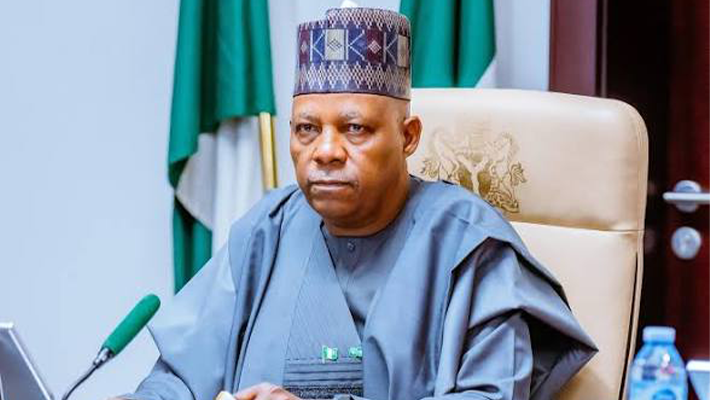
Shettima urges statisticians to strengthen Nigeria’s data systems
Mr Shettima said credible statistics were essential for effective governance and economic planning.

Heading 1
19 injured in minibus collision with train in France
The minibus was conveying truck drivers.
Heading 5
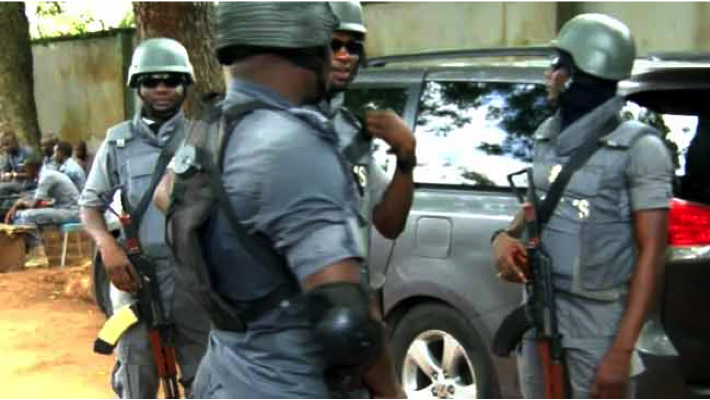
Sokoto: Customs confiscate truckload of contraband worth N722 million
He urged Nigerians to support the NCS by providing credible information that could help eradicate smuggling.
Heading 3
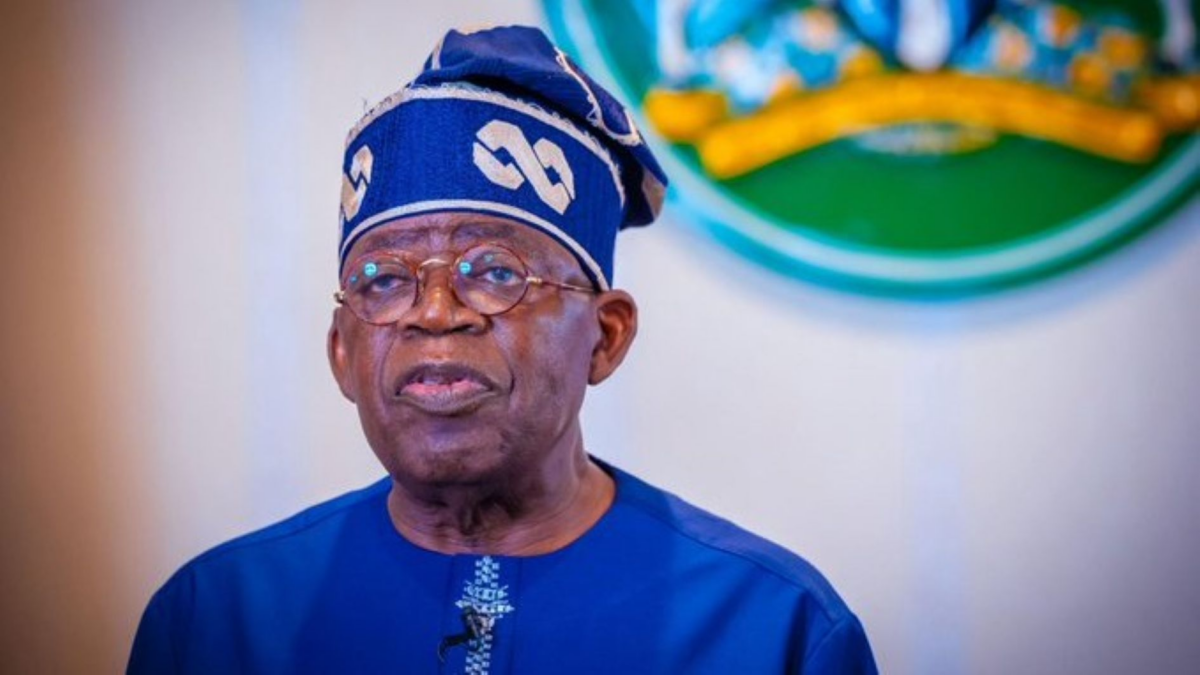
2027: Tinubu directs security chiefs to rescue abducted Nigerians, crush terrorists
Mr Musa said Mr Tinubu also stressed the need for free, fair and credible elections.
Heading 2
INEC decries exclusion of PWDs from elective positions in Akwa Ibom
Mr Onuoha said the commission would hold a sensitisation programme for persons with disabilities on Friday in Uyo.
World
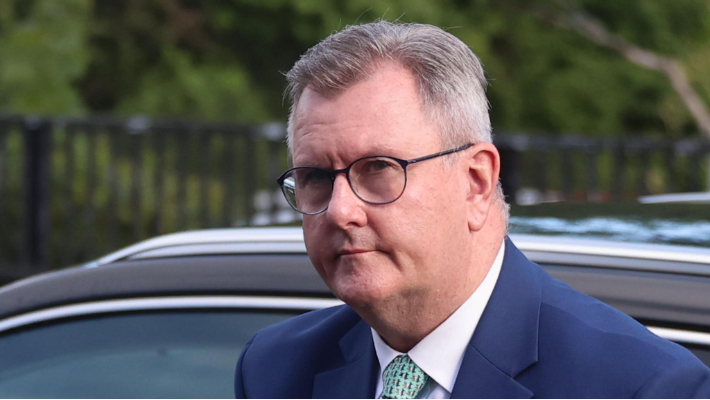
UK court sentences Irish lawmaker Jeffrey Donaldson to 15 years in prison for raping children
One of the women described the rape as “the worst moment of her life”.


