

Speaker Abbas urges collective action against drug abuse, domestic violence
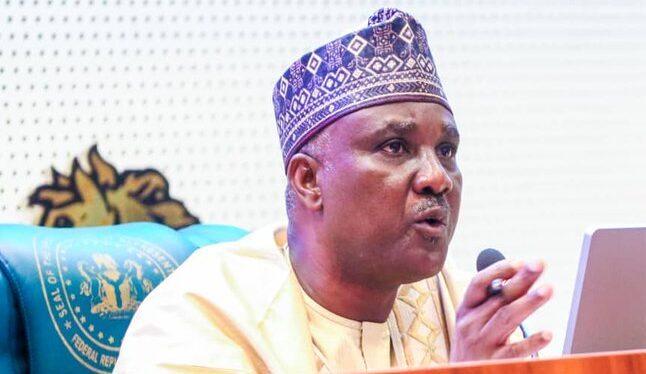
The Speaker, House of Representatives, Tajudeen Abbas, says collective action is key to tackling drug abuse and domestic violence in Nigeria.
Mr Abbas stated this on Saturday in Kaduna at a town hall meeting marking the end of a weeklong sensitisation campaign against drug abuse and domestic violence, organised by the National Orientation Agency (NOA) in partnership with his office.
He said the campaign demonstrated the importance of taking the message beyond conference halls to traditional rulers, religious leaders, teachers, parents, youths and community organisations.
“The National Orientation Agency has taken this message into Kaduna streets and communities,” Mr Abbas said.
He commended the Director-General of NOA, Lanre Issa-Onilu, for leading the campaign and engaging market leaders, transport workers, youth groups and traditional institutions.
He also commended the National Drug Law Enforcement Agency (NDLEA), police, Immigration, Road Safety Corps, correctional service, National Youth Service Corps and other participating agencies.
“Government is present. The law is active. The public must also participate,” the speaker said.
Mr Abbas said drugs could impair judgment, increase aggression and deepen poverty, but stressed that drug use could never excuse violence.
He described domestic violence as abuse, saying it harms victims, frightens children and weakens communities.
The speaker said the damage caused by drugs extended beyond families to streets, schools, markets and security systems.
He said drug trafficking provided criminal networks with funds, while the same hidden routes could carry drugs, illegal weapons, criminal funds and violent offenders.
“Drugs do not explain every crime, but they are part of Nigeria’s wider security challenge,” Mr Abbas said.
He said the National Drug Use Survey estimated that 14.3 million Nigerians aged between 15 and 64 used drugs in the preceding year.
According to him, the North-West accounts for about three million people, representing 12 per cent of its adult population.
Mr Abbas said a 2025 study involving 700 bandits and prison inmates in Katsina and Zamfara identified drug abuse among the factors associated with armed banditry.
He said Kaduna State’s development plan also linked drug-related problems, affecting about 10 per cent of its people, with violence.
The speaker said the United Nations Office on Drugs and Crime identified drug trafficking as a threat to security in Nigeria and West Africa.
He said trafficking enriched organised crime, corrupted institutions and created networks that other criminals could exploit.
Mr Abbas said every shipment intercepted could deny criminals funds for weapons and recruitment, while every person rescued from addiction represented one less person vulnerable to violent groups.
He said drug control in the Northwest was part of the fight against banditry and kidnapping.
“Security forces may clear the camps; communities must help cut the supply lines,” he said.
Mr Abbas said enforcement stopped shipments, education reduced demand, treatment restored individuals, while community vigilance protected neighbourhoods.
He said the NDLEA had recorded major results, including 77,792 arrests, 14,225 convictions and the seizure of more than 14.8 million kilogrammes of illicit substances.
Mr Abbas said 128 identified drug barons were among those arrested by the agency over five years.
He said the agency secured 974 convictions in the first quarter of 2026, while 11 major traffickers received combined prison sentences of 254 years.
The speaker said officers also dismantled an international network in May and seized drugs and chemicals valued at more than 360 million dollars.
He said President Bola Tinubu had strengthened the fight by retaining retired Brig.-Gen. Mohammed Marwa and supporting enforcement, international cooperation, public education and treatment.
Mr Abbas said the government must punish those profiting from drugs while providing treatment for people trapped by addiction.
“The dealer needs the law; the dependent person needs care,” he said.
He said the National Assembly had continued supporting the fight through legislation, oversight and calls for preventive drug testing in secondary schools.
According to him, the House had also directed NOA and NDLEA to expand student awareness and moved against the indiscriminate sale of prescription medicines.
Mr Abbas said the House had considered bills seeking to strengthen the NDLEA Act and called for faster investigation and prosecution of femicide, homicide and related violence.
He urged parents to watch for sudden changes in their children’s conduct, while schools should provide counselling and report warning signs.
He also called on traditional and religious leaders to reject silence around addiction and abuse and use their influence to protect vulnerable people.
Mr Abbas urged pharmacists and medicine vendors to reject the unlawful sale of controlled substances, while neighbours should report violence.
He also called on market and transport unions to report suspicious movements of drugs and urged youths to reject pressure and seek help.
The speaker said victims should seek safety, obtain medical care, preserve evidence and report abuse, while communities should protect them from blame and shame.
Earlier, Mr Issa-Onilu said the campaign had provided an opportunity to engage communities, institutions and individuals on two challenges threatening society’s wellbeing, security and development.
Mr Issa-Onilu said the participation of the agencies demonstrated that tackling drug abuse and domestic violence required cooperation among all stakeholders.
He said the agency also paid an advocacy visit to the Emir of Zazzau and the NDLEA Rehabilitation Centre in Zaria.
The NOA director-general said traditional institutions remained influential in shaping the attitudes and behaviours of communities.
He said the agency also visited the Kaduna State leadership of Jama’atu Nasril Islam and Christian Association of Nigeria.
Mr Issa-Onilu said the messages delivered during the visits were those of the speaker, adding that religious leaders expressed willingness to support the campaign.
He said the campaign would extend to the seven states of the Northwest, with the aim of encouraging coordinated action against drug abuse and domestic violence.
Mr Issa-Onilu commended Mr Abbas for sponsoring the initiative with constituency resources, describing it as a demonstration of his commitment to the wellbeing and development of communities.
He said the conclusion of the weeklong campaign should not mark the end of efforts, but the beginning of a sustained movement against the challenges.
Mr Issa-Onilu called on stakeholders to report abuse, support victims, guide young people and work together to build a healthier and safer society.
Kaduna State Governor, Uba Sani, thanked Abbas for bringing the national conversation to Kaduna and commended NOA for partnering in taking the message to communities.
Mr Sani, represented by the state deputy governor, Hadiza Balarabe, said the state had adopted a public health and human development approach to drug abuse, rather than treating it solely as a criminal justice issue.
He said more than 10,000 young people had received evidence-based drug abuse prevention and treatment interventions through the state agency.
The governor said four state-owned treatment and rehabilitation centres were being renovated and equipped, with a combined capacity of 120 beds.
He said the centres would become fully operational before the end of 2026, while six community prevention centres were already operational.
Mr Sani said the state was working towards establishing community prevention centres in all 23 local government areas before the end of the year.
He said Kaduna had integrated services for mental, neurological and substance abuse disorders into primary healthcare centres of excellence across the state.
The governor said domestic violence was not a private matter, stressing that homes should not become territories beyond the reach of the law.
He urged traditional and religious leaders to use their influence to protect vulnerable people and help break the silence around addiction and abuse.
Mr Sani told youths that they were not the problem but the reason government was working to create a safer, healthier and more hopeful future.
(NAN)

We have recently deactivated our website's comment provider in favour of other channels of distribution and commentary. We encourage you to join the conversation on our stories via our Facebook, Twitter and other social media pages.

More from Peoples Gazette

Agriculture
FG tasks ECOWAS on leveraging financing strategies for agroecology
The federal government has urged stakeholders in the agriculture and finance sectors in the West Africa region to leverage financing strategies to enhance agroecology practices

Politics
Katsina youths pledge to deliver over 2 million votes to Atiku
“Katsina State is Atiku’s political base because it is his second home.”

States
Plateau farmers seek transparency in subsidised fertiliser distribution
Farmers in Pankshin Local Government Area, Plateau, have called for greater transparency in registering, selecting, and distributing subsidised fertilisers.

World
Police arrest suspect in death of Black woman Tasia Fortune found hanged from tree
Police said the investigation might lead to more arrests, noting that 15 individuals had been questioned about the homicide.
NationWide
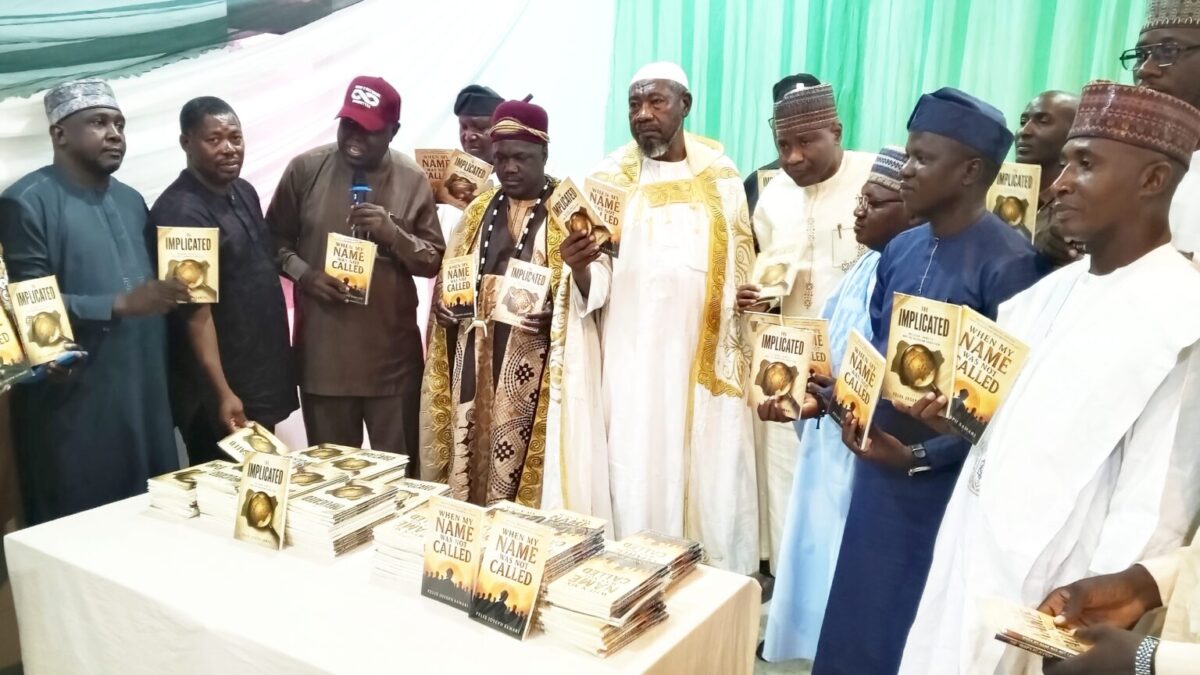
2027 Elections: Islamic cleric cautions against religious campaigns
“It’s bad for us to use religion for campaigns because, if we are to use religion, we are becoming lawless according to the law,” he said.
States
2027: Jehu Nnaji emerges Enugu NNPP governorship candidate
Mr Nnaji emerged as the sole candidate at the party’s direct primary election held on Saturday.
Africa
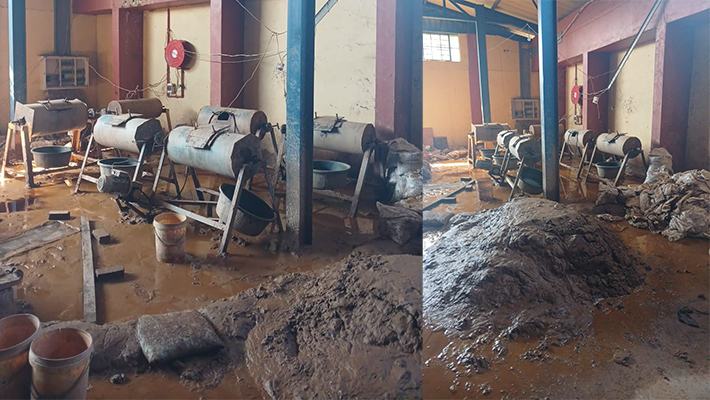
South African police arrest three suspects over alleged illegal mining
Police said the suspects, comprising two Mozambicans and one South African, were arrested at the scene.
Heading 1
Tinubu, Atiku, Obi, 15 others make INEC’s final presidential candidates’ list
The Independent National Electoral Commission (INEC) has published the final list of presidential candidates and their running mates.


