

Sudan’s militia advances could trigger new refugee exodus, UNHCR warns

UN High Commissioner for Refugees Filippo Grandi on Tuesday said advances by paramilitary Rapid Support Forces (RSF) in Sudan could trigger another exodus across the country’s borders.
The RSF took over Darfur’s city of al-Fashir in October in one of its biggest gains since the war started with Sudan’s army.
In December, advances continued eastward into the Kordofan region, and they seized the country’s largest oil field.
Most of the estimated people that the United Nations said have been displaced by the latest violence in Kordofan, a region comprised of three states in central and southern Sudan, have sought refuge within the country.
Mr Grandi said things could change if violence spreads to a large city like El Obeid.
“If that were to be not necessarily taken but engulfed by the war, I am pretty sure we would see more exodus,” said Mr Grandi in an interview from Port Sudan.
“We have to remain very alert in neighbouring countries in case this happens,” he said.
Already, the war has uprooted nearly 12 million people, including 4.3 million who have fled across borders to Chad, South Sudan, and elsewhere, in the world’s biggest displacement crisis.
However, some have returned to the capital, Khartoum, which is now back in Sudanese army control.
Mr Grandi, who met with survivors who fled mass killings in al-Fashir, said humanitarian workers lack resources to help those fleeing, many of whom had been raped, robbed or bereaved by the violence.
“We are barely responding,’’ said Mr Grandi, referring to a Sudan response plan, which is just a third funded, largely due to Western donor cuts.
He said UNHCR lacks resources to relocate Sudanese refugees from an unstable area along Chad’s border.
Most of those who trekked hundreds of kilometres from al-Fashir and Kordofan to Sudan’s al-Dabba camp on the banks of the Nile north of Khartoum, which Mr Grandi visited, were women and children. Their husbands and sons were killed or conscripted along the way.
Some mothers said they disguised their sons as girls to protect them from being abducted by fighters, Grandi said.
“Even fleeing is difficult because people are continuously stopped by the militias,” he said.
Mr Grandi said he began his UNHCR career in Khartoum in the 1980s, when Sudan sheltered refugees from other African wars.
(Reuters/NAN)

We have recently deactivated our website's comment provider in favour of other channels of distribution and commentary. We encourage you to join the conversation on our stories via our Facebook, Twitter and other social media pages.

More from Peoples Gazette

Agriculture
FG tasks ECOWAS on leveraging financing strategies for agroecology
The federal government has urged stakeholders in the agriculture and finance sectors in the West Africa region to leverage financing strategies to enhance agroecology practices

Politics
Katsina youths pledge to deliver over 2 million votes to Atiku
“Katsina State is Atiku’s political base because it is his second home.”
NationWide
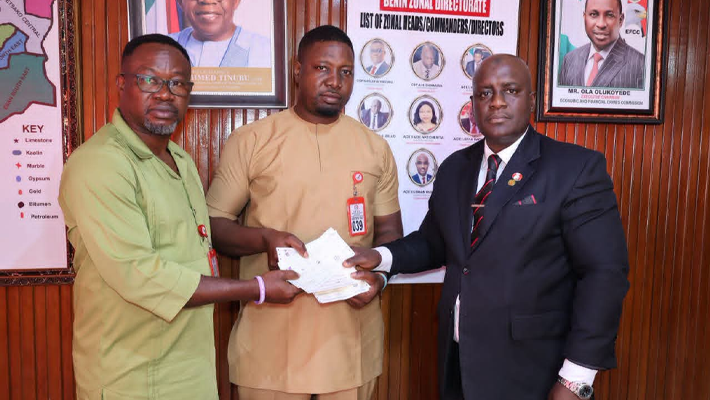
EFCC recovers N80 million for businessman after failed land deal in Delta
The EFCC handed over a draft of recovered N80,000,000 to Ifeanyi Innocent Madueke after a failed land deal in Delta State.
Anti-Corruption
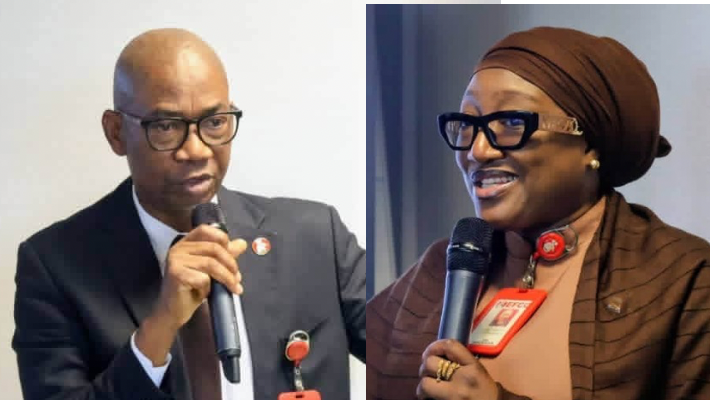
Shun cybercrime, join fight against corruption, EFCC tells Nigerian students
The EFCC urged students of tertiary institutions across the country to shun cybercrime.

Heading 4
Insecurity: Canada warns citizens, residents against non-essential travel to Nigeria
“Avoid non-essential travel to Nigeria, including in Abuja, due to the unpredictable security situation throughout the country,” the advisory stated.
Heading 2
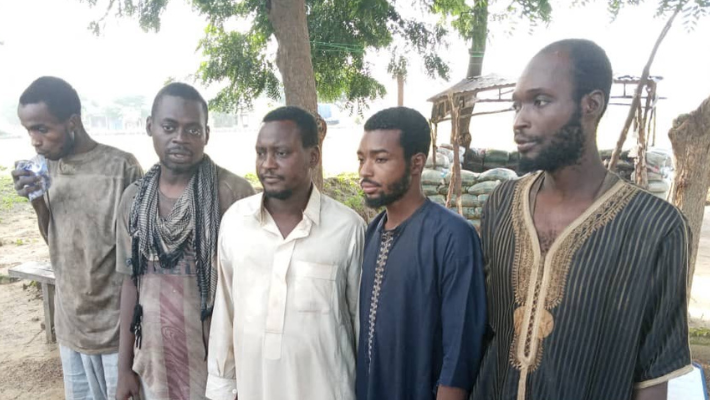
Abducted Zamfara LG chairman, four others escape from bandits’ den
The council chairman was abducted from his residence in Bungudu town in July 2026.
States
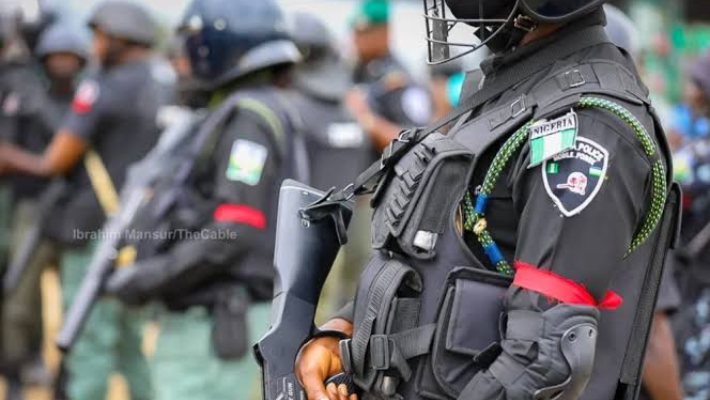
Security agencies assure Enugu residents of peaceful, hitch-free LG Poll
The Commissioner of Police in Enugu State, Mamman Giwa, said security agencies had put in place firm, robust strategies to ensure a peaceful council election.

World
China, Nigeria seek stronger ties through cultural exchange
Nigeria and China reaffirmed their commitment to using cultural exchanges to deepen bilateral relations.


