

The stakeholders, who spoke in separate interviews, said democratic governance had created opportunities for reforms and private-sector engagement.
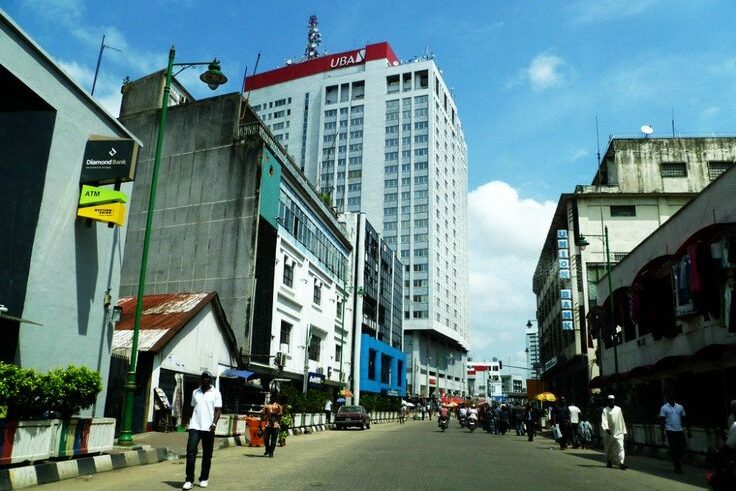
Mr Oni noted that improved local refining capacity would ultimately help stabilise fuel supply and moderate prices over time.

They stated that the move would put Nigeria on the path to achieving full self-sufficiency in petroleum products, conserve foreign exchange, and improve fuel affordability.
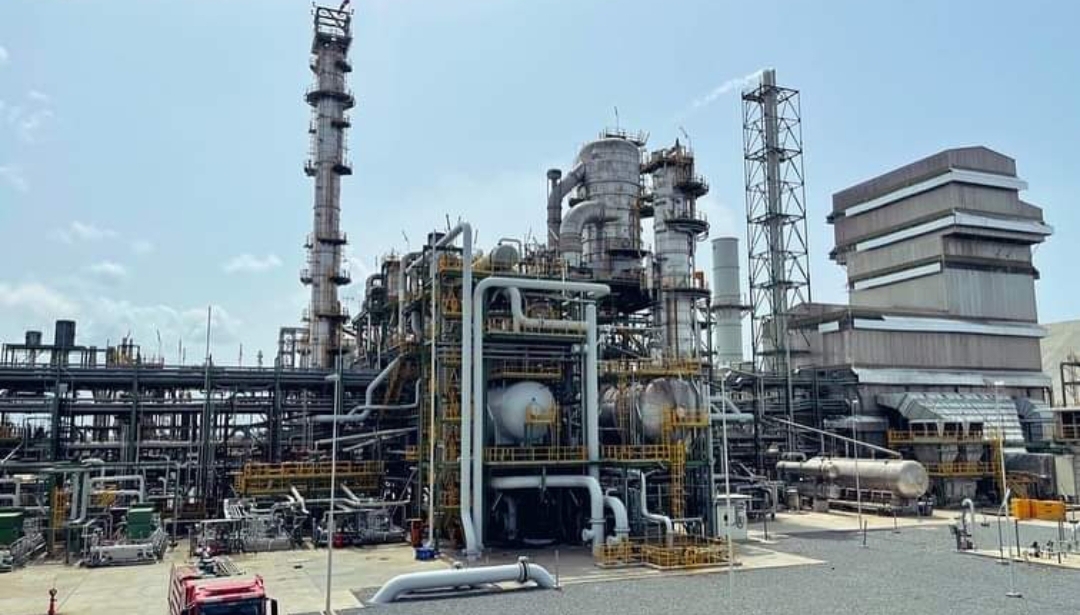
According to Mr Oni, strengthening security measures is essential for curbing illegal activities.
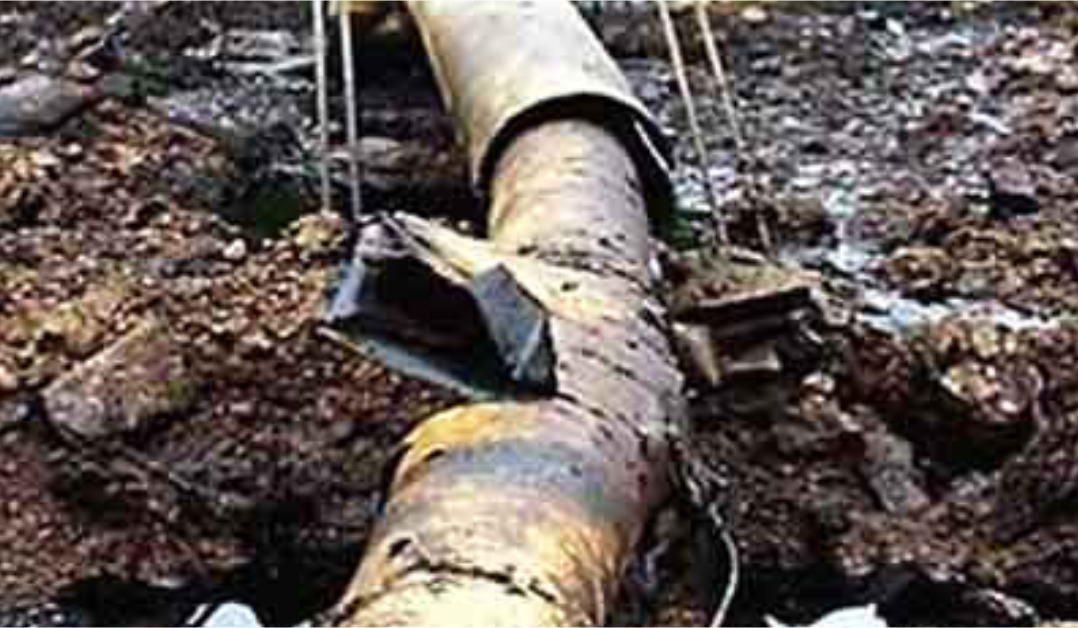
Some oil and gas industry stakeholders have projected rapid economic growth for Nigeria in 2024 based on increased oil production.
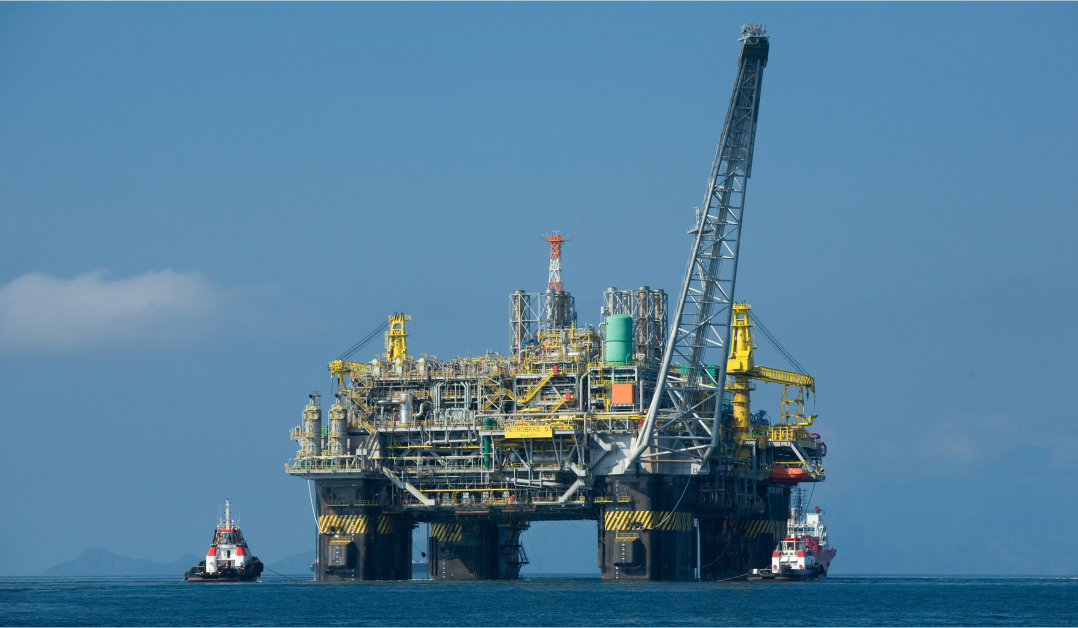
He said that this would reduce the price of diesel and increase the purchasing power of consumers as well.

“We should not base our tariff against factors we do not have any control over,” he said.
An energy consultant said market liberalisation remained the best option to reduce smuggling of petrol outside the country.


