Mr Namadi said the government had already constructed several embankments in all the flood-prone areas.

The schools were established to integrate the Tsangaya Islamic education into the western system of education and to tackle the problem of out-of-school children.

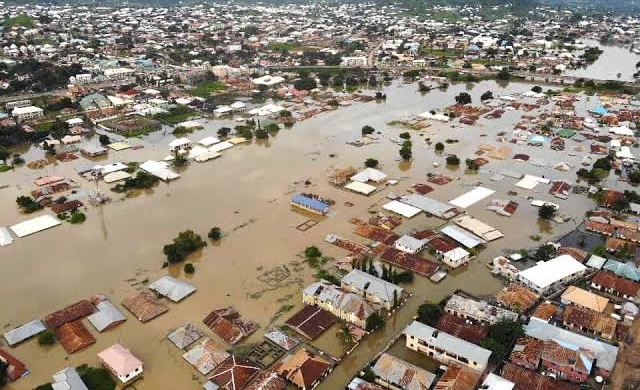
The flood ravaged 138,442.36 hectares of farmlands and displaced 1,554 farming communities across 22 local government areas.

The National Emergency Management Agency (NEMA) says at least 19 LGAs of Jigawa are in high- and moderate-risk areas.
The Pharmacists Council of Nigeria has shut down 355 pharmacies and patent medicines shops in Jigawa for various offences.

The outbreak was initially from the neighbouring Niger Republic, and later spread to the border communities in the state, through trans border activities.

Mr Abdullahi said the flood destroyed many houses, infrastructure, farmlands, livestock, properties and displaced hundreds of households.
Seven members of a family, including a newborn baby, died during the downpour, according to SEMA.