

This endless circus entertainment may serve partisan social media audiences, but it does nothing to advance Nigeria’s democracy.

Do Nigerian political leaders increase confidence in the electoral system? Or do they deepen suspicion?

Kenneth Eze (Ebonyi Central) says Nigeria lacks the infrastructure for seamless real-time electronic transmission of election results before the 2027 elections.

The group noted that electoral reforms should be treated as a fundamental democratic necessity.

The Senate had refused to adopt an amendment that would have made electronic transmission of results from polling units compulsory.

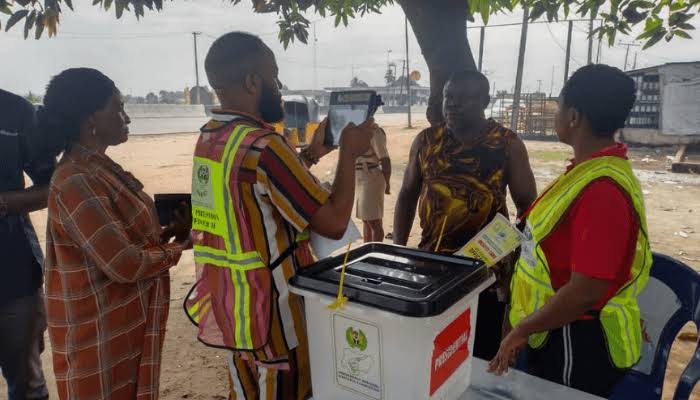
According to him, 57,598 completed online preregistration and 28,141 physical registration. He noted that the second phase of the nationwide CVR would resume on January 5.
After its passage, the bill was referred to the Senate Committee on Electoral Matters for further deliberation and a public hearing.
She said the United Kingdom is encouraged by the National Assembly’s commitment to implementing reforms.

The bill to amend the Electoral Act 2022 to make voting mandatory for all eligible Nigerians was introduced by the speaker and co-sponsored by Daniel Adama Ago.
Mr Agbakoba said voter apathy persists in the country because Nigerians have lost confidence in the electoral process.


