

The relief materials included rice, beans, garri, insecticide-treated nets, blankets and mats.

The items distributed included food and nonfood items, such as rice, maize, spaghetti, macaroni and cooking oil.

He cautioned people on the dangers of indiscriminate dumping of refuse in waterways, constructions in flood-prone areas and other human factors.

“This is why we are appealing to residents to cooperate with us and stop dumping wastes in drainages or building on waterways.”
Mr Aiyedatiwa, however, pleaded with the residents of the community to exercise patience with the state government in finding a last solution to perennial flooding.
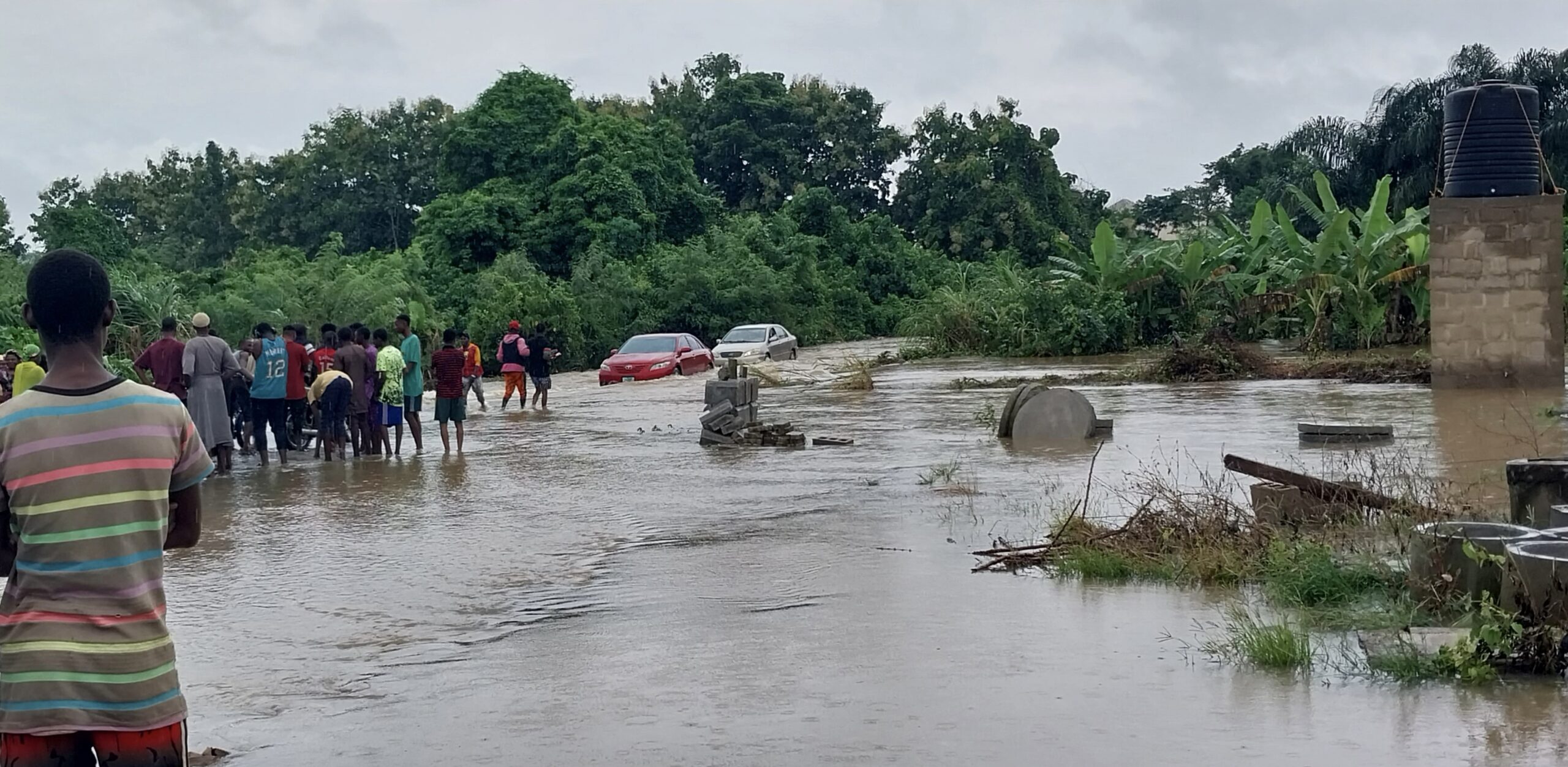
FEMA has reassured residents of the agency’s commitment to protecting lives and property.

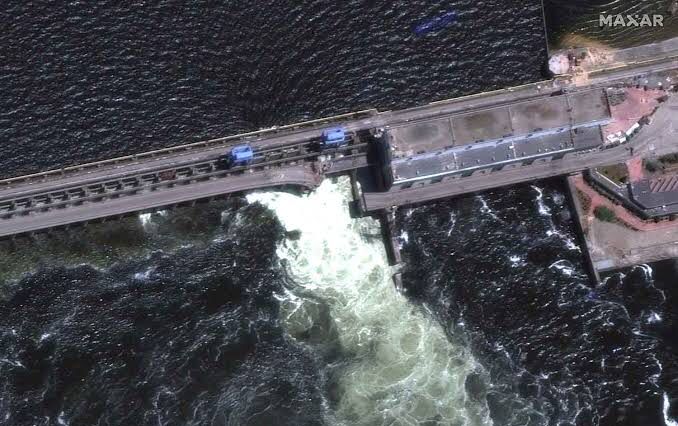
“The massive flooding is destroying newly planted grain and with it hope for 345 million hungry people around the world for whom grain from Ukraine is a lifesaver.”
He says this expansion aims to empower more people to take necessary precautions and safeguard lives and property.
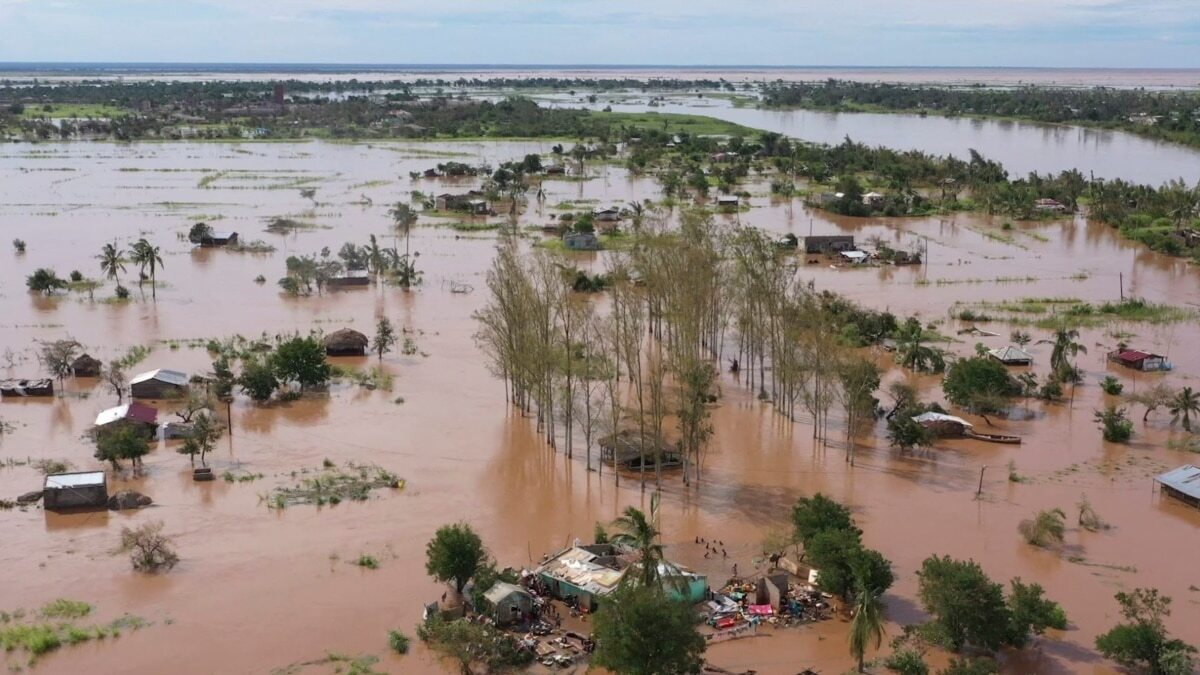
Ms Sai’du said the sensitisation was for people in flood-prone communities to brainstorm and develop measures to prevent and reduce losses and the negative impact of the flood.
At least 176 people were reported dead on Friday as humanitarian workers dug through the remains of the flattened villages to recover mud-caked bodies from the debris.


