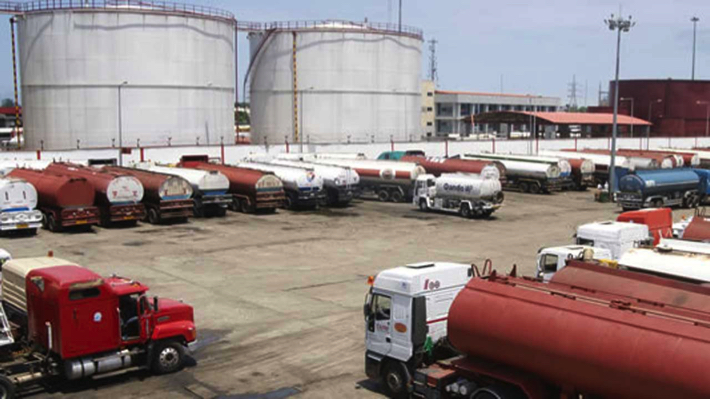
Mr Adewole said there were indications that a fuel distribution crisis may soon hit the country if the government implemented the new tax regime.

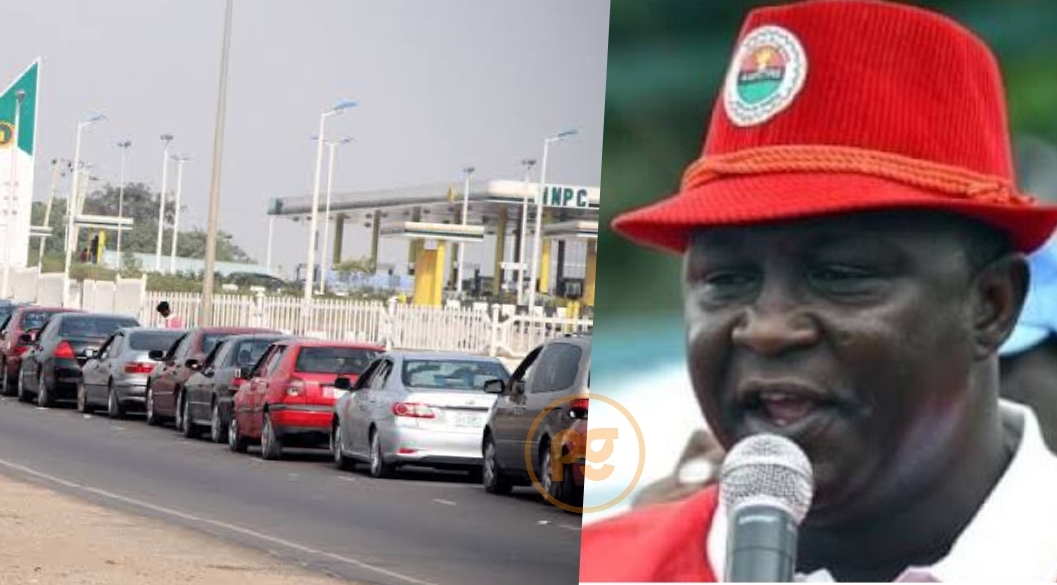
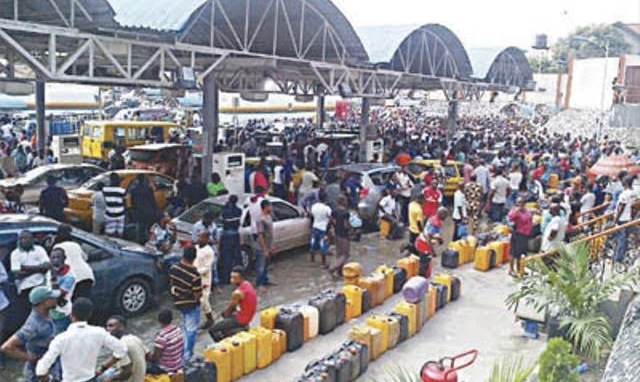
Many fuel stations in the capital are not selling the product, while the few selling have long queues.
“Two years ago, we had this kind of issue that even the funds got to an amount far higher than what it is now about $750 million.”

Anthony Ifeanyi, Commissioner for Petroleum and Mineral Resources, said the Anambra government would set up a committee to monitor activities of petrol stations in the state.
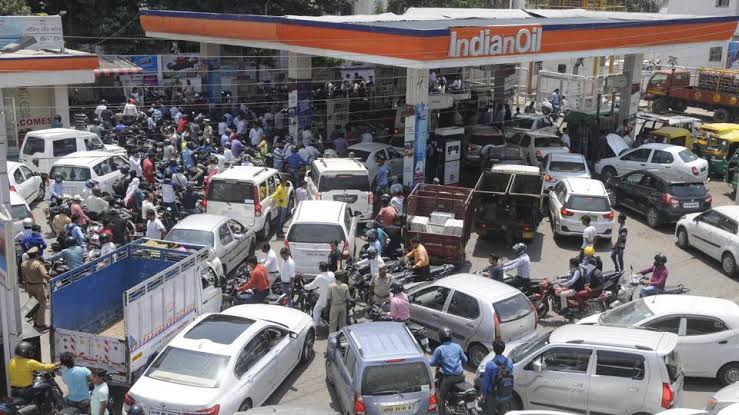
“Government needs to bring sanity to Lagos because things are not working as they should. The transport system in Lagos has been a mono-system.”
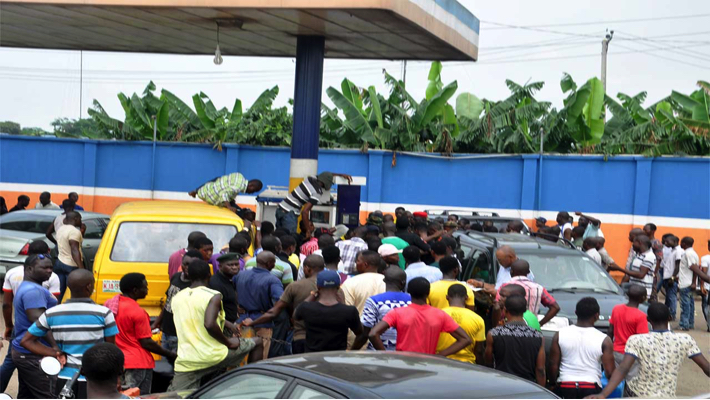
He said that the situation has brought about dire consequences on productivity, economy and wellbeing of the citizens.
Sri Lanka is battling crippling fuel shortages as fuel prices were increased four times this year.
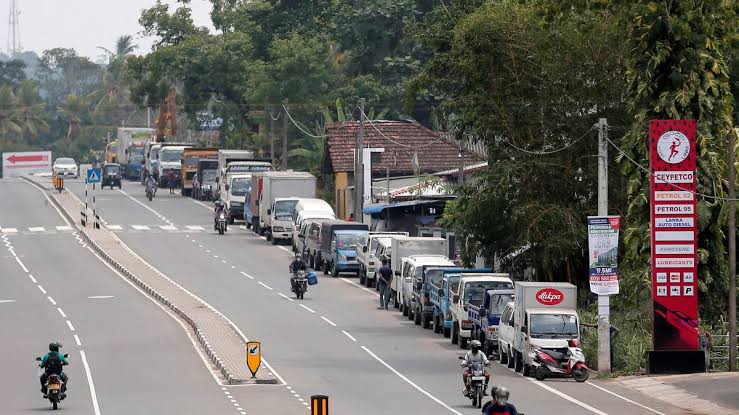
The few filling stations that opened for sale within Ibadan metropolis were characterised with long queues of vehicles.
“Importers are not getting dollars to import this diesel at the official rate of CBN. So everybody is going to black market to get dollars to import their diesel.”

“The huge amount spent running the diesel trucks to transport fuel is very discouraging because we are running at a loss,” the IPMAN president said.