Lagos farmers have expressed joy over the World Bank’s proposed $500 million loan to the Nigerian agriculture sector, while calling for appropriate implementation.

Mr Sani said that the excursion was designed to expose pupils to real-life agricultural practices beyond classroom teaching.

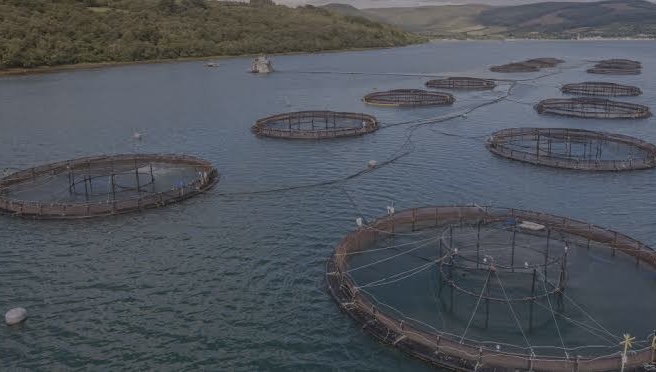
Ms Masake noted that establishing a domestic salmon value chain could attract foreign direct investment.
The Agro-Climatic Resilience in Semi-Arid Landscapes project in Kaduna has activated the Resettlement Action Plan for erosion-control works in Rigasa, Kawo, and Zaria.

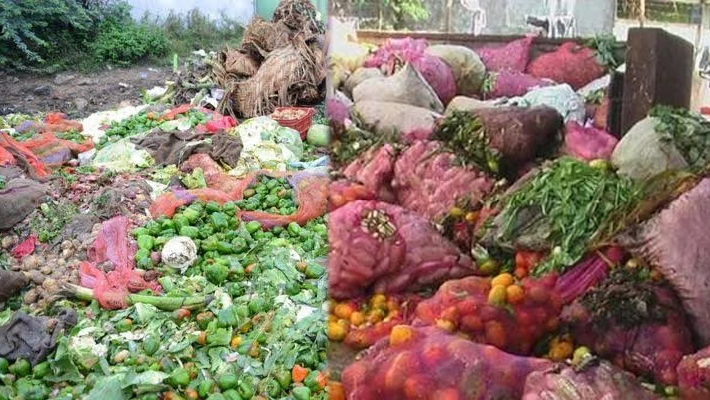
Tomato farmers in Plateau have decried the lack of storage and processing facilities for the produce.

ASAP is a global initiative of IFAD, integrated into Nigeria’s VCDP framework.

Mr Ibiyemi also cautioned farmers against applying the wrong fertiliser to specific crops.

She said that the status of the country as an observer nation since 2024 would expire by November.

Ms Ibrahim noted that the availability of cold-chain infrastructure would help preserve high-value perishable crops.
IITA has called on the federal government to prioritise policies that will support the development of Nigeria’s seed yam value chain.