
Mr Popoola also said Nigeria’s capital market was positioning itself to support larger transactions and expand wealth creation opportunities.

The agreement, signed in Lagos, reinforces one of the most significant China–Africa industrial partnerships to date, according to Dangote Industries Limited.

The president also instructed officials to improve the digital QR code system introduced on Sunday to manage fuel distribution and available fuel stocks more effectively.

It stated that the reviewed prices, to take effect on March 20, would affect selected products in its stock-keeping units.
Mr Tegbe stated that the new tax law will also strengthen the country’s fiscal sustainability and economic competitiveness.

OPEC had retained Nigeria’s crude oil production quota at 1.5 million barrels per day, but the country’s production fell to 1.31 million barrels per day in February.

Mr Gillis-Harry recalled that a similar situation occurred during the Gulf War in the 90s when the country reportedly earned over $12 billion in oil windfall.

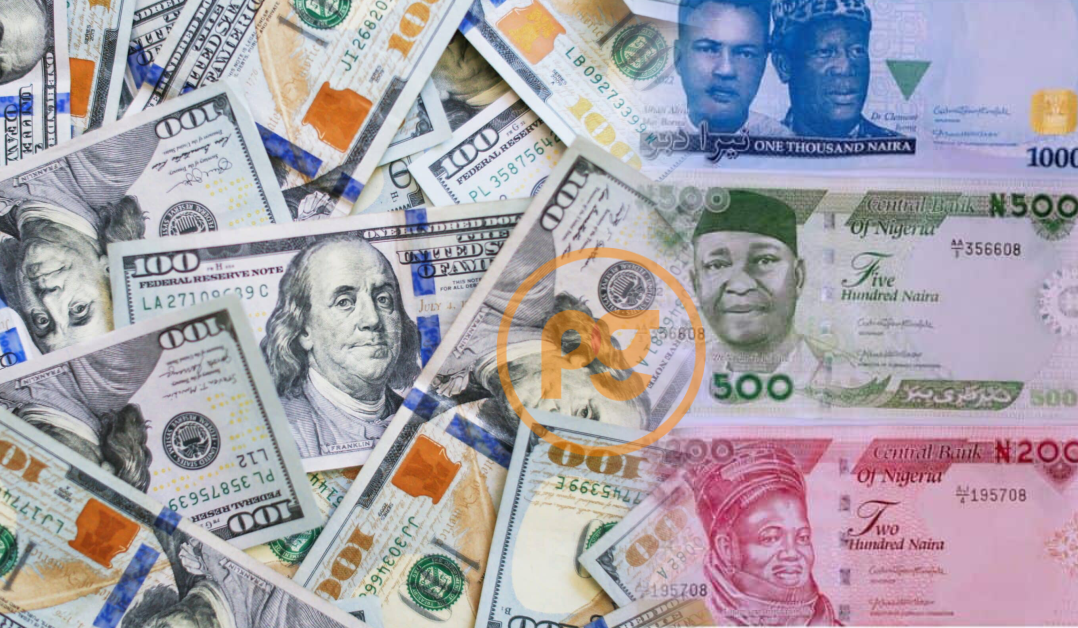
Market analysts said the gradual appreciation indicates improving stability in the official foreign exchange market.
Mr Edeh said institutions that prioritised compliance and transparency were more likely to gain the trust of customers and regulators.

Mr Zuntu said the price of the produce would steadily increase following the end of harvest and the decline in glut experienced early in the year.


