
Ms Steinacker said RenewHER advances its mission through three interconnected pillars designed to strengthen women’s health across Nigeria.

Mr Ibrahim said the vaccines were provided in line with the federal government’s Renewed Hope Agenda.

The Africa Centres for Disease Control and Prevention says the continent recorded fewer disease outbreaks in January 2026 compared to the same period in 2025.

The federal government has begun cardiopulmonary resuscitation, basic life support, and automated external defibrillator training for its health ministry staff.

UNAIDS, the UN agency leading the global effort to end HIV/AIDS worldwide, gave the commendation in a statement on Thursday.

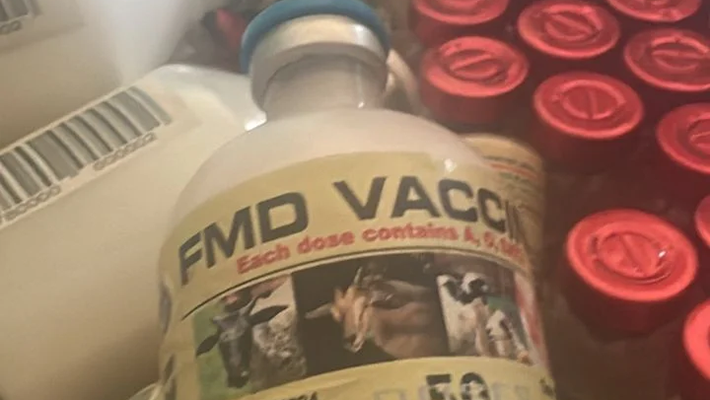
The Ekiti government has received 80,500 doses of livestock vaccines from the Federal Ministry of Livestock Development to prevent and control transboundary animal diseases.

Anambra has taken delivery of its allocated vaccines under the L-PRES project for mass vaccination of livestock against major transboundary animal diseases in Nigeria.
Some residents of Gwagwalada council in Abuja have expressed concern over the growing heaps of refuse on the Zuba-Gwagwalada expressway.

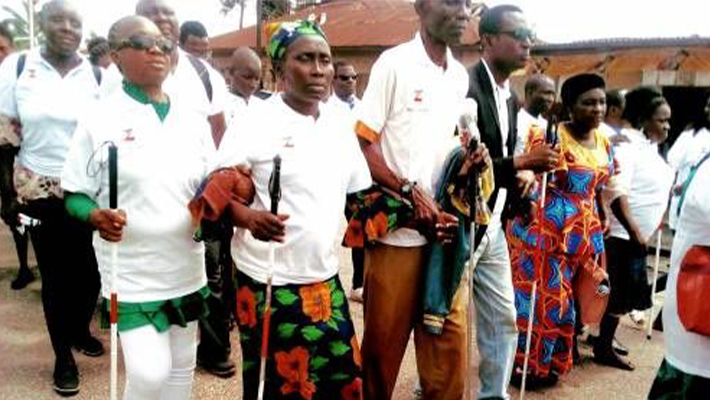
The federal government has reaffirmed its commitment to preventing avoidable blindness and strengthening inclusive eye health services across Nigeria.
Former Governor Abdullahi Ganduje has urged 206 foreign-trained newly inducted Nigerian nurses to apply knowledge acquired abroad to strengthen Nigeria’s health sector.


