


WHO counters Trump’s order on fewer childhood vaccinations, says its recommendations science-based
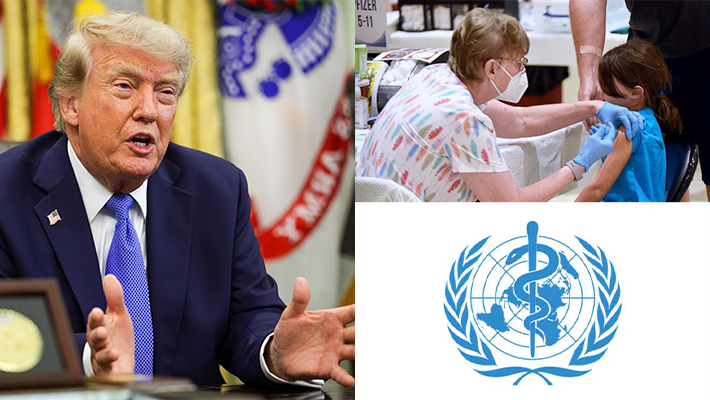
The World Health Organisation (WHO) has reaffirmed that it uses a science-based process to determine childhood immunisation schedules following U.S. President Donald Trump’s executive order calling for a reduction in vaccinations.
“What comes out from WHO is science-based,” WHO spokesperson Tarik Jašarević said at a press briefing in Geneva. “We hope that all countries will use this best scientific evidence that we have.”
Mr Jašarević said the health body’s immunisation recommendations were based on more than six decades of research conducted alongside national authorities and independent expert groups, Reuters reported.
He added that the timing of individual vaccinations was also determined after an extensive review of when individuals were prone to particular diseases and how their immune systems develop.
The WHO spokesperson said governments and vaccination programme managers obtained independent, evidence-based recommendations from immunisation technical advisory groups comprising experts from different disciplines.
Mr Trump signed the executive order on Monday, calling for a limit on immunisations against diseases from 18 to 11.
The president said his “gold standard” recommendations aimed to ensure “Americans have the best scientific information.”
He noted that the move was also to ensure that the U.S. aligns with other countries that recommend fewer shots; however, vaccine experts argue that the countries face different risks and their healthcare systems vary.
Mr Trump also called for the combined mumps, measles and rubella (MMR) vaccine to be split into three single-disease shots during separate visits to the hospital.
The order supports health secretary Robert F Kennedy Jr.’s position linking vaccination to autism even though studies have not found any established links between the vaccine and autism.
It has been met with criticism from health experts, vaccine manufacturers and medical associations who contend that Mr Trump had no scientific evidence to support the reduction in childhood vaccinations.
Rejecting Mr Trump’s comparison of the U.S. with other countries, the critics said the current schedule reflects decades of evidence and Americans’ specific needs.
“There is no new evidence to justify significant changes to childhood immunisation guidance,” the American Academy of Paediatrics (AAP) president, Andrew Racine, said in a statement.
He added, “Dozens of studies involving millions of people show there is no link between vaccines and autism, and yet federal leaders continue to promote this outdated, disproven idea to scare families.”
A public health expert, Michael Osterholm, on X advised parents to “continue to rely on evidence-based immunisation recommendations developed by experts.”
He added that Mr Trump’s executive order “does not change the scientific evidence, built over decades, that supports childhood immunisation.”

We have recently deactivated our website's comment provider in favour of other channels of distribution and commentary. We encourage you to join the conversation on our stories via our Facebook, Twitter and other social media pages.

More from Peoples Gazette

Agriculture
FG tasks ECOWAS on leveraging financing strategies for agroecology
The federal government has urged stakeholders in the agriculture and finance sectors in the West Africa region to leverage financing strategies to enhance agroecology practices

Politics
Katsina youths pledge to deliver over 2 million votes to Atiku
“Katsina State is Atiku’s political base because it is his second home.”

States
My statement was misinterpreted; I told APC supporters to kill Accord Party members with votes: Fadahunsi
Mr Fadahunsi said the viral video was deliberately edited to distort his statement.

Economy
TUC backs private sector equity in refineries, rejects outright sale
Mr Osifo said the government should reduce its equity to 49 per cent and allow credible private investors with technical expertise to hold the remaining 51 per cent.
Africa
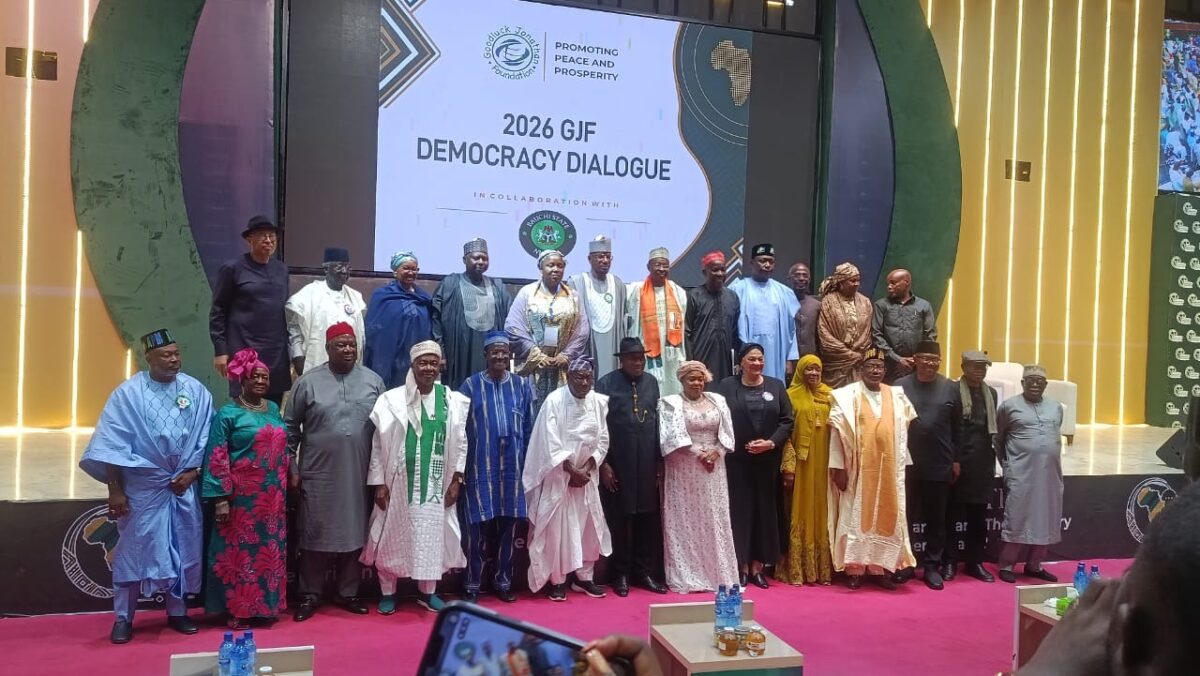
Obasanjo urges Africa to develop its own democracy model
He said the democratic model adopted by African countries lacked sufficient African context and often failed to meet the continent’s needs.

Economy
Stock market reverses gains as investors lose N1.17 trillion amid sell-offs
Market capitalisation fell by 0.73 per cent from N160.421 trillion to N159.255 trillion, while the All-Share Index (ASI) shed 1,806.18 points to close at 246,723.57.

States
FG to strengthen health security in South-East
The federal government pledged to support states, especially those in the South-East, to strengthen health security.

States
Gov. Sule appoints five new permanent secretaries
The head of service said the appointees would be sworn in on a date to be announced later.


