

12,043 children in IDP camps now enjoy hygiene: UNICEF
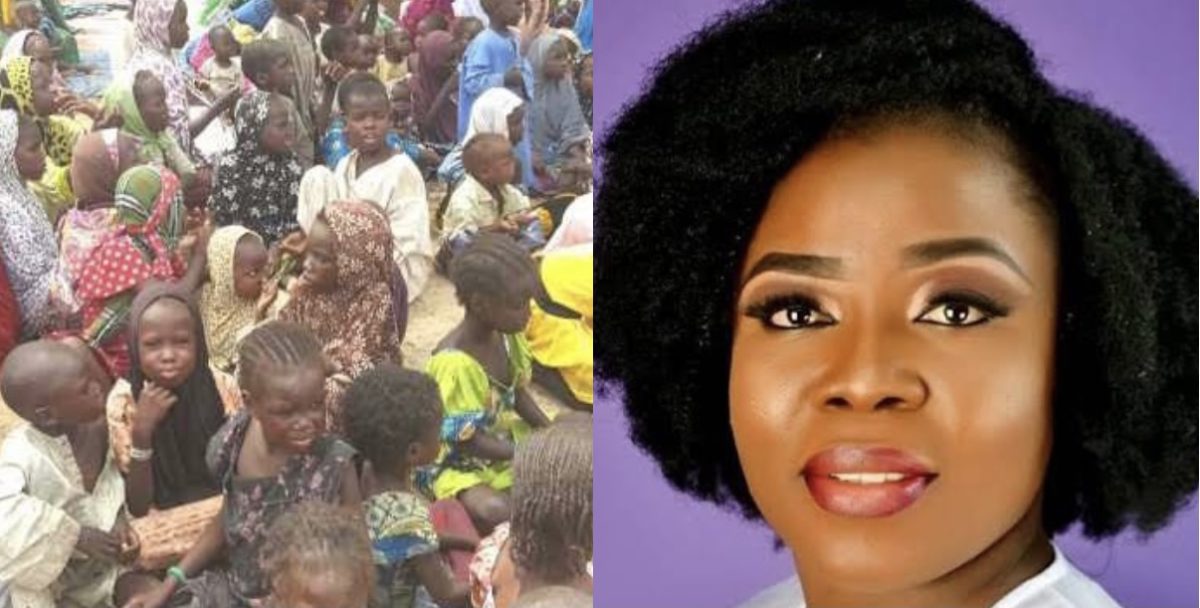
The United Nations Children’s Fund (UNICEF) has said that children from 12,043 households, in 11 Internally Displaced Persons (IDPs) camps, in Maiduguri were now accessing basic sanitation, hygiene.
On Thursday, a press statement by the spokeswoman for the UNICEF Maiduguri Field Office, Folashade Adebayo, said the development was made possible by the UNICEF, UK Government Cash4Wash Initiative, where cash transfer was made to support beneficiaries to access hygiene products.
“The pilot programme aims to demonstrate the effectiveness and acceptance of the cash-based intervention in support of IDPs in camps and host communities, as compared to the distribution of pre-determined water, sanitation and hygiene (WASH) non-food items,” said the statement. “Launched with support from the UK Government’s Foreign Commonwealth and Development Office (FCDO), the Cash4Wash initiative is the first of its kind to be implemented by UNICEF in Nigeria.”
The learnings and experience from the initiative would be used to scale up cash transfers for WASH services to improve access to sanitation and hygiene facilities in humanitarian settings.
“Improved access to hygiene items would mean the enhanced ability of families and communities to avert and mitigate outbreaks of illnesses like cholera and diarrhoea and the transmission of COVID-19,” UNICEF added. “Cash-based transfers have the potential to not only increase access to WASH services in humanitarian settings but also to support the local economy, as cash is spent in local markets.”
The UN agency noted that displaced households in the North-East, living with high rates of open defecation and low handwashing rates, are at a higher risk of disease outbreaks and preventable deaths.
It added that “left with no livelihood opportunity, these families lack disposable incomes to purchase basic hygiene materials, including sanitary towels, water containers, face masks, toothpaste, cups and soap for handwashing, bathing, laundry, and other cleaning.”
The statement observed that in Borno, the 2020 WASH National Outcome Routine Mapping showed that only 14 per cent of households had access to handwashing facilities and soap.
Poor hygiene and sanitation had been linked to high infant and child mortality, including diseases like dysentery, diarrhoea, typhoid, cholera, and malnutrition that led to the underlying cause of nearly 50 per cent of deaths in children under five globally.

We have recently deactivated our website's comment provider in favour of other channels of distribution and commentary. We encourage you to join the conversation on our stories via our Facebook, Twitter and other social media pages.

More from Peoples Gazette

Agriculture
FG tasks ECOWAS on leveraging financing strategies for agroecology
The federal government has urged stakeholders in the agriculture and finance sectors in the West Africa region to leverage financing strategies to enhance agroecology practices

Politics
Katsina youths pledge to deliver over 2 million votes to Atiku
“Katsina State is Atiku’s political base because it is his second home.”

World
ECDC warns drug-resistant gonorrhoea spreading across Europe
ECDC said that gonorrhoea remains one of the most common sexually transmitted diseases globally.

Heading 3
NCDC reaffirms commitment to preventing Ebola outbreak
Mr Idris said Nigeria currently had no confirmed Ebola cases.
States
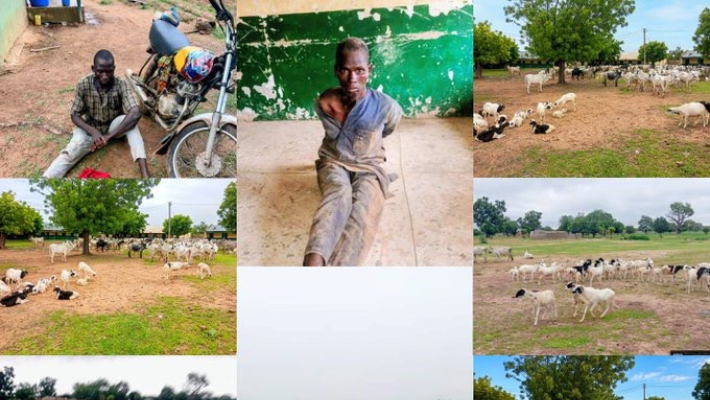
Troops foil bandit attack in Kano, recover 97 cattle, 50 sheep
“Recovered cattle have been returned to their rightful owners,” he said.

Economy
Tinubu approves two road projects in Anambra
The projects are the 108-kilometre Otuocha–Anam–Abaji Road and the 150-kilometre Oba–Nnewi–Uga–Ihube/Okigwe Junction Road, both approved for dualisation.

Economy
FAAN set to introduce facial ID screening at airports
The agency said the system will enable passengers to verify their identities digitally, reducing reliance on physical identification documents at airports.


