

2026 FIFA World Cup Fans: The good, the bad and the ugly (Part 4)
Profile of fans of national teams from the Oceania Football Confederation (OFC), and the Confederación Sudamericana de Fútbol (CONMEBOL), which translates to the South American Football Confederation in English.
One national team qualified from the OFC, while six national teams from CONMEBOL also booked their tickets for the biggest international football tournament.
Below are their profiles.
CONMEBOL:
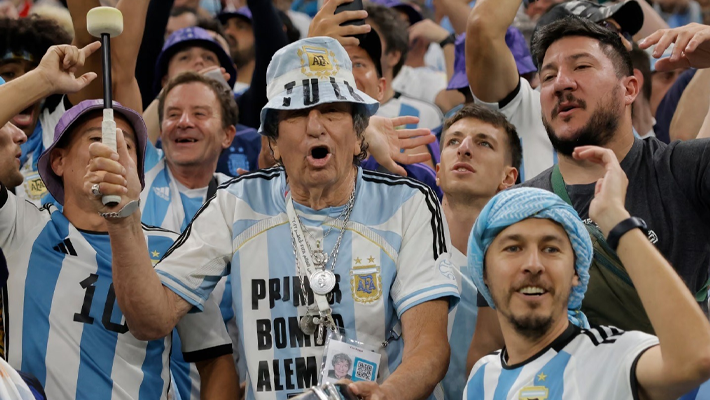
Argentina: The nickname of the three-time world champions is ‘La Albiceleste’, which translates to ‘The White and Sky Blue’ in English. The nickname refers to the iconic vertical stripes on the national team’s kit and national flag, inspired by the sky opening to reveal a white cloud during the May Revolution of 1810.
Meanwhile, the highly organised, vocal, and passionate fans of the national team are collectively called ‘La Hinchada Argentina’, which translates from Spanish as ‘swollen or passionate ones’. They also share the national team’s nickname ‘Los Albicelestes’.
The supporters are also nicknamed ‘La Scaloneta’ to honour team manager Lionel Scaloni, who has been in charge since 2018 and has led the team to victories in the 2021 Copa América, the 2022 Finalissima, and the 2022 FIFA World Cup.
They travel in large numbers, fill stadiums with traditional banners and smoke bombs, while chanting ‘La Banda Argentina’ (The Argentine Band in English) or ‘Muchachos’ (boys, guys, or lads in English) during international matches involving their team.
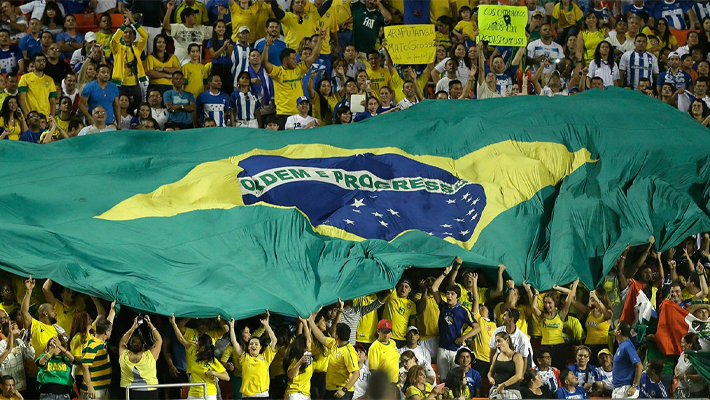
Brazil: The common nickname of the five-time world champions is ‘Seleção’, which translates to ‘The National Squad’ or ‘The Selection’ in English. They are also called ‘Canarinhos’ or ‘Canarinha’, meaning ‘Little Canary’ in English, referencing their iconic bright yellow home jerseys.
The name was adopted after the team introduced their famous bright yellow shirts in 1953 to boost national vitality and patriotism. They also bear ‘Verde-Amarela’, which translates to ‘The Green and Yellow’ in English, referencing the colours of their national flag and their team’s home kits.
Their fans also bear ‘Canarinhos’ or ‘Canarinha’, ‘Seleção’ or ‘A Seleção’, and ‘Verde-Amarela’ along with the national team. Although they are highly critical of their team when they don’t perform well, they still give them massive support with their immense passion, vibrant celebrations, and high expectations.
The team has one of the largest cult-like followings globally, with millions outside Brazil and across the American continent; many of these supporters are not citizens, but they celebrate their victories during major tournaments by organising large parades and viewing parties.
The fans don the team’s iconic yellow-and-green jerseys, wave the country’s flags, and paint their faces with the national colours.
They have passionate groups like the Movimento Verde Amarelo (MVA) that organise fans and chants to back their team in stadiums. They also boast millions of fans worldwide on social media platforms, especially on the team’s official Facebook Page, where they discuss lineups and match results.
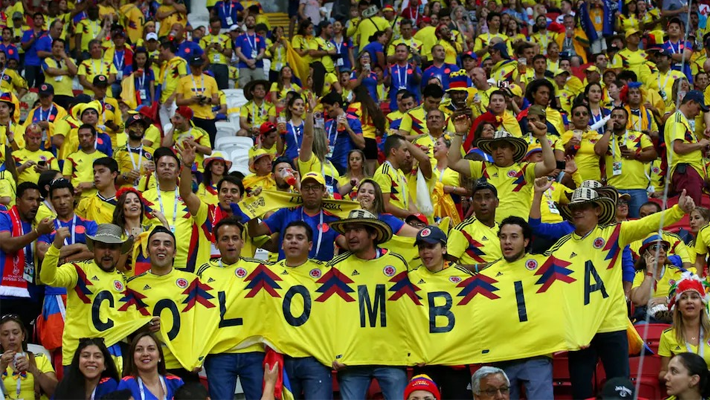
Colombia: The national football team is called ‘Los Cafeteros’, which in English means ‘The Coffee Growers’, a name derived from the country’s renowned coffee exports.
Although they share ‘Los Cafeteros’ with the national team, they also bear ‘La Tricolor’, translated from English as ‘Tricolour’, which refers to the three primary colours of yellow, blue and red on the country’s national flag. They are also called ‘La Selección’ or ‘La Sele’, a shortened term for ‘The Selection’, ‘The choice’ or ‘The team’, depending on how the word is used in a sentence. They also bear ‘La Fiebre Amarilla’, meaning ‘The Yellow Fever’ in English.
During major tournaments involving Colombia, fans turn match days into community events by painting the streets and buildings in their national colours. They are globally renowned for their passion, vibrant yellow jerseys, and rhythmic dancing to their traditional cumbia and vallenato music in stadiums whenever their team is playing. They celebrate their team’s victories by organising massive viewing parties both inside and outside their country, turning the celebrations into carnival-like atmospheres.
The team has an unofficial mascot called ‘El Cole’, meaning ‘The Mascot’, who attends matches wearing a giant condor costume to their international matches. The fans make what they call the ‘Tricolour’ wave by flooding the stands in their bright yellow home kits, waving their national flag. The supporters, both at home and in the diaspora, travel to international matches to create a massive home-field advantage for their team.
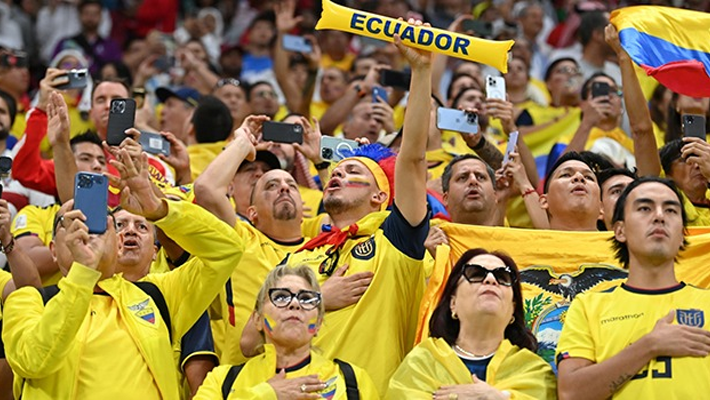
Ecuador: The national football team is commonly called ‘La Tri’ or ‘La Tricolor’, meaning ‘The Tri’ and ‘The Tricolours’ in English, respectively. The nicknames refer to the three colours of the country’s national flag: yellow, blue, and red. Their fans also adopted both nicknames.
The passionate and loyal supporters with their ‘amarillo, azul y rojo’ (yellow, blue, and red) celebrations are globally known for their lively and festive atmosphere in stadiums. They wear and wave shirts with their country’s national colours in support of their team.
Fans of the Ecuadorian team have a strong social media presence, with communities on platforms like the Ecuador National Football Team on Reddit and BigSoccer Ecuador.
There are also Ecuadorian communities in Madrid, New York, and London, where they regularly organise to watch and support the national team during international friendlies and tournaments.
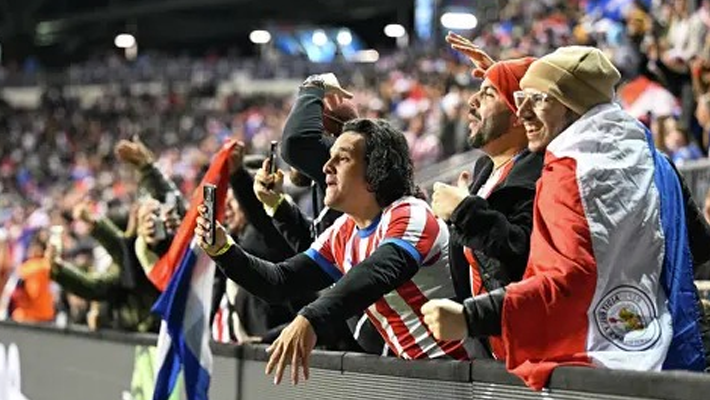
Paraguay: The national team is commonly nicknamed La Albirroja, which translates to ‘The White and Red’. The name references the team’s traditional and iconic red-and-white striped home jerseys. They are also called ‘Los Guaraníes’, translated in English to ‘the Guaranis’, in reference to their national heritage, or ‘La Garra Guaraní’, which translates to ‘Guarani Claw’. The term celebrates the passionate, warrior-like dedication of the fans and the national team.
Their fans, known as La Albirroja supporters, went into massive celebrations when their team qualified for the upcoming World Cup, after a 16-year absence. They gave the team a spectacular send-off at the Estadio Defensores del Chaco in Asunción, with the stadium and surrounding areas filled with supporters displaying the national colours. The supporters themselves are also widely referred to by a term that embodies their fighting spirit and resilience.
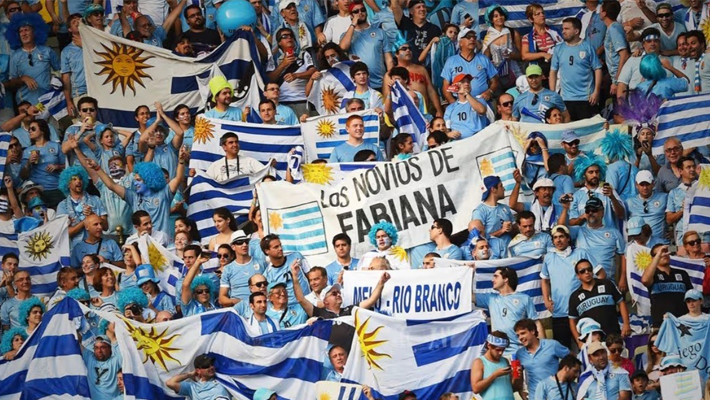
Uruguay: The national team is commonly called ‘La Celeste’, meaning ‘The Sky Blue’ in English, referencing the iconic light sky-blue colour of the team’s home jerseys. They are also called ‘Uruguayos’, meaning ‘Uruguayans’. They are also known as ‘Los Charrúas’, meaning ‘The Charrúas’, in reference to the historically indigenous Charrúa people who once lived in the region and were recognised for their fierce resistance, bravery, and fighting spirit.
The names are used to honour the national team’s fighting spirit. The origins and meanings of the names highlight both the team’s appearance and the nation’s indigenous heritage. The team is often associated with the phrase ‘La Garra Charrúa’, meaning ‘The Charrúa Claw’, to describe the team’s gritty, never-give-up attitude on the pitch.
The fans who also share the La Celeste nickname with the national team are fiercely passionate supporters. They are known for their famous chant or battle cry, ‘Uruguay noma’, meaning ‘Uruguay only’. They are a deeply-knit community bound by their team’s rich history.
They rally heavily behind their iconic sky-blue jerseys, representing a nation with a deep, almost religious passion for the sport and a massive sense of pride, regularly outmatching other countries with vastly larger populations.
The enthusiastic supporters are highly animated, often wearing light blue scarves and creating massive chanting sections at both local stadiums and international grounds.
After their team qualified for the upcoming World Cup, thousands of passionate supporters, including children, held a massive send-off for them, ahead of the international tournament.
OFC:
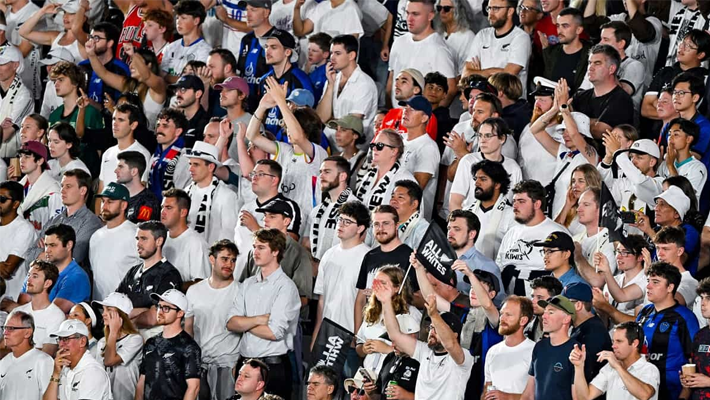
New Zealand: The national football team are called ‘All Whites’. The name was coined during their 1982 World Cup qualifying campaign in reference to their all-white strip. Their fans are called ‘All Whites supporters’, or ‘the Kiwis’ or ‘The Black Army’, which is the official supporters group for all their national teams.
They are a passionate and global community of fans that have significantly grown, highlighted by the “Flying Kiwis” travel group.
The Flying Kiwis are one of the most organised supporters’ groups. They are a highly dedicated international community of New Zealanders who travel worldwide to cheer on the national team in their all-white attire and inflatable kiwis.
Fans of all ages can connect, purchase official black-and-white kits, and get travel and ticketing information through the NZ Football fan hub or the official NZ Football online store.
Over 10,000 New Zealand supporters are projected to attend the FIFA World Cup to cheer on the team to victories.

We have recently deactivated our website's comment provider in favour of other channels of distribution and commentary. We encourage you to join the conversation on our stories via our Facebook, Twitter and other social media pages.

More from Peoples Gazette

States
Independence: NBA urges Nigerians to expect better future
The NBA said that ordinary Nigerians should be deriving benefit from the subsidy removal rather than hardship.

Agriculture
FG tasks ECOWAS on leveraging financing strategies for agroecology
The federal government has urged stakeholders in the agriculture and finance sectors in the West Africa region to leverage financing strategies to enhance agroecology practices

Politics
Katsina youths pledge to deliver over 2 million votes to Atiku
“Katsina State is Atiku’s political base because it is his second home.”

Uncategorized
Gov. AbdulRazaq declares Monday work-free day for Kwara teachers
The governor said the work-free day for teachers in the state was to commemorate the 2026 World Teachers’ Day.

Hot news Home top
Uba Sani’s development strides in Kaduna unparalleled, says Aides
Mr Mohammed noted that no administration in Kaduna’s history had made such huge investments in urban and rural infrastructure.
NationWide
Obasanjo, Jonathan, Gowon mourn, pay tributes to ex-Aso Villa chaplain William Okoye
“Nigeria will miss you. Your family will miss you. The church will miss you. You stood for integrity,” Mr Jonathan said.
States
Navy uncovers Rivers’ illegal refining site, dismantles three storage tanks
Mr Folorunsho said the site was discovered on September 30, following credible intelligence.
Heading 3
You’ve justified my confidence in you, Tinubu hails EFCC for anti-graft efforts
Mr Olukoyede reaffirmed the commission’s commitment to preventive frameworks in tackling corruption in the country.

Showbiz
Nollywood actress Chioma Chukwuka-Akpotha loses father
“No matter how many years we are given with a parent, we still want one more conversation, one more embrace, one more day,” she said.


